How to Find Used Car Parts in Melbourne A Complete Buyer's Guide
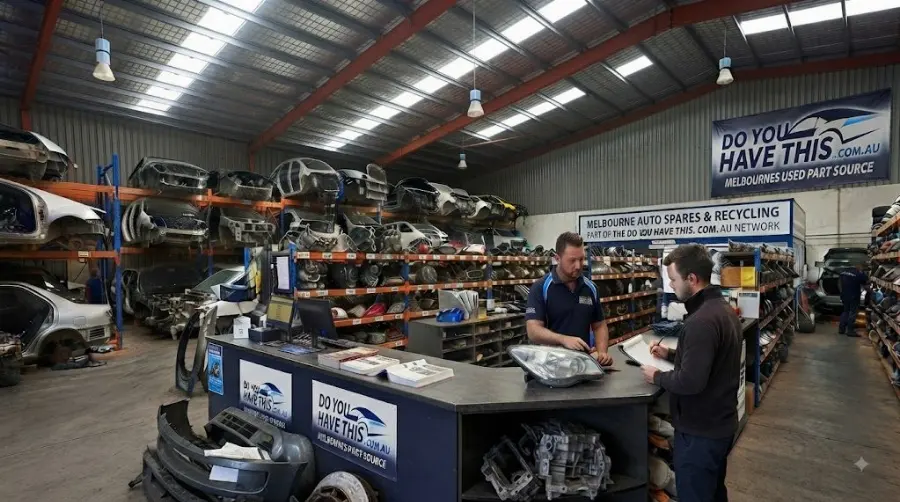
Finding the right used car part in Melbourne can be easier and more affordable than buying a brand-new replacement, but only if you know what to look for. A part that appears identical to yours may have a different specification, fitment, or condition, while a well-inspected used component can be a practical replacement.
If you're wondering how to find used car parts in Melbourne, the process starts with more than simply searching for the cheapest listing. You need to identify the exact part, confirm that it fits your vehicle, understand its condition, and know who you're buying from. You can explore used car parts and vehicle listings on DoYouHaveThis.
This guide explains how to approach the process, what to check before buying used parts, and how to reduce the chances of ordering something that doesn't work for your vehicle.
Why Buy Used Car Parts?
Used parts can make sense when a vehicle needs a replacement component but a new original part is expensive, discontinued, or difficult to source.
Auto wreckers and recyclers recover usable components from vehicles that are no longer economical to repair. Depending on the vehicle and part, this can include engines, transmissions, alternators, starter motors, mirrors, doors, lights, interior components, wheels, suspension components, and many smaller parts.
The key is that "used" does not automatically mean "poor quality." Conditions vary considerably between parts. A component removed from a relatively well-maintained vehicle may have plenty of useful life remaining, while another part may have significant wear.
In Victoria, Consumer Affairs Victoria states that second-hand parts can be used when they are suitable and serviceable.
That makes proper identification and condition checking important.
How to Find Used Car Parts in Melbourne
The easiest way to start is by identifying exactly what your vehicle needs before contacting a seller.
Have these details available:
- Vehicle make
- Model
- Build or model year
- Engine size or engine code
- Transmission type
- VIN, where appropriate
- Part name
- Original part number, if available
For example, searching for "Toyota Corolla part" is very broad. Searching for a specific model year, engine configuration, and component gives you a much better chance of finding the correct replacement.
Online marketplaces and automotive parts platforms can make the process easier because you can search across multiple sellers rather than contacting individual wreckers one at a time. If you're looking for a starter motor, for example, understanding how a car starter motor works can also help you recognize the part you need and understand why the correct replacement matters.
Start With the Exact Part You Need
One of the most common mistakes is beginning with a general description.
A seller may list several versions of what appears to be the same component. A vehicle can have different parts depending on its production year, engine, transmission, trim level, or market.
The original part number can therefore be extremely useful.
If you have access to the number printed, stamped, or engraved on the existing component, record it before searching. You can then ask the seller to confirm whether the replacement carries the same number or is a documented compatible alternative.
For electronic components, sensors, control modules, and some mechanical parts, this step can prevent an expensive compatibility mistake.
What to Check Before Buying Used Parts
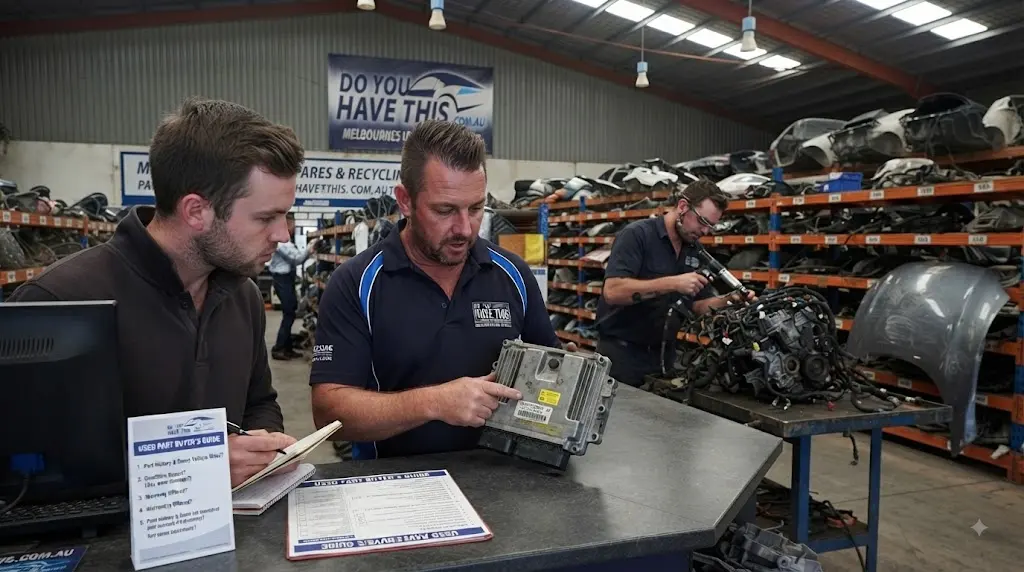
A good second-hand parts guide should focus on more than price.
Before purchasing, ask questions about the component's history and condition.
1. Ask Where the Part Came From
Knowing the source can provide useful context.
Was the component removed from a running vehicle? Was the vehicle damaged in an accident? Was it dismantled because of mechanical failure, age, or another reason?
The answer does not automatically determine whether the part is good or bad, but it gives you information to consider.
2. Check the Actual Condition
Ask for clear photographs if you're buying online.
Look for:
- Cracks
- Corrosion
- Broken mounting points
- Damaged connectors
- Missing hardware
- Fluid contamination
- Excessive rust
- Signs of previous repairs
- Physical deformation
A clean-looking exterior is helpful, but it doesn't prove that a mechanical or electrical component works correctly.
3. Confirm Compatibility
Compatibility should be confirmed before payment whenever possible.
Provide the seller with your vehicle's make, model, year, engine details, and part number. For some components, the VIN may also help confirm the exact vehicle specification.
Don't rely only on phrases such as "fits Toyota" or "fits Ford." A manufacturer may use different components across multiple models and production years. For example, if you're researching a Honda SUV before choosing a replacement component, understanding Honda CR-V Common Problems can help you identify common issues and consider which parts may need attention.
4. Ask Whether the Part Has Been Tested
For components such as alternators, starter motors, electronic modules, sensors, and engines, ask whether the part has been tested.
If the seller says it was tested, ask what was checked.
For example, "tested" could mean something very different for an alternator than it does for a body panel.
Specific information is more useful than a general statement that a component is "in good condition."
How to Verify Used Part Quality
There is no single test that applies to every automotive component. The correct car parts condition check depends on the type of part.
Mechanical Parts
For engines, transmissions, steering components, and suspension parts, ask about visible damage, leaks, unusual wear, and known faults.
Some components may require professional inspection before installation.
Electrical Parts
Electrical components should be checked for damaged connectors, corrosion, broken terminals, and compatibility.
If possible, confirm whether the component has been tested before it was listed.
Body Parts
For doors, guards, bonnets, bumpers, mirrors, and lights, carefully check photographs for cracks, dents, mounting damage, and color differences.
Even when a body panel fits physically, its paint color may not perfectly match your vehicle.
Interior Parts
Seats, dashboards, switches, trim pieces, and other interior components should be checked for tears, broken clips, stains, fading, and missing hardware.
A photograph can help, but ask for additional images when important areas aren't visible.
The Best Way to Buy Car Parts Online
The best way to buy car parts online is to treat the listing as the beginning of the verification process, not the end.
Before ordering, compare the listing with your vehicle information.
Check:
- Does the make and model match?
- Does the year or production range match?
- Does the engine or transmission specification match?
- Does the part number match or cross-reference?
- Are the photographs of the actual part?
- Is the condition clearly described?
- Has the part been tested where testing is relevant?
- Does the seller explain returns or any applicable warranty?
- Are all required brackets, connectors, or accessories included?
This approach may take a few extra minutes, but it can save much more time later.
Don't Choose a Used Part Based Only on Price
Price is naturally important, especially when you're comparing used and new components.
But the cheapest listing isn't necessarily the cheapest solution.
A low-priced component that doesn't fit can lead to return shipping, delays, additional labor, and another search for the correct part.
Instead, compare the overall value. If you're replacing a component because of a known vehicle issue, resources such as Kia Cerato Common Mechanical Problems Explained can also help you understand the problem before choosing a replacement part.
Consider:
- Condition
- Compatibility
- Testing
- Part history
- Included components
- Seller information
- Return terms
- Delivery time
A slightly more expensive part with clear information and confirmed compatibility may be the safer choice.
Buying From Auto Wreckers in Melbourne
Melbourne has a large automotive market, so buyers can encounter many different types of sellers.
Auto wreckers and recyclers can be useful sources for used components because their inventory comes from dismantled vehicles. If you're researching a specific vehicle before buying a replacement part, resources such as Subaru Forester Known Issues and Parts That Wear Quickly can also help you understand common problems and identify parts that may require attention.
However, it's worth checking who you're dealing with and what type of business they operate.
Consumer Affairs Victoria notes that auto wreckers and recyclers dealing in parts have registration requirements, while businesses trading in motor vehicles may require a motor car trader's licence depending on what they do.
If you're unsure about a seller, ask for clear business information and specific details about the part rather than making a decision based only on a photograph or price.
Searching Without Vehicle Details
"Used brake parts Melbourne" isn't enough information to identify a specific component.
Start with the vehicle details and part name.
Assuming Similar Parts Are Interchangeable
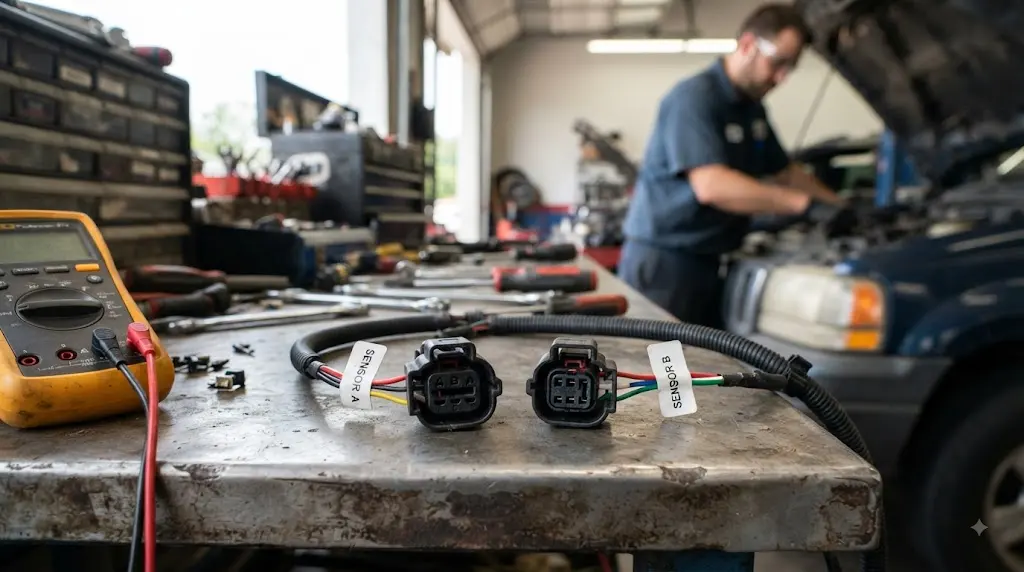
Two components can look almost identical but have different electrical connections, mounting points, specifications, or applications.
Always verify compatibility.
Ignoring the Part Number
Where a part number is available, use it.
It can be one of the most useful identifiers when comparing listings.
Buying Without Checking Condition
Don't assume every used component has the same level of wear.
Ask questions and request photographs where necessary.
Focusing Only on the Lowest Price
A cheap part isn't a bargain if it doesn't work or doesn't fit.
Forgetting About Installation
Some parts are straightforward to replace. Others require specialist knowledge, tools, calibration, or additional components.
For complex systems, consider the installation requirements before ordering.
When a Used Part May Not Be the Right Choice
Used parts aren't ideal for every situation.
For safety-critical components, heavily worn components, or parts where the condition cannot be reliably established, a new or professionally remanufactured component may be worth considering. If you're dealing with a Kia, for example, Kia Cerato Common Mechanical Problems Explained can help you understand common issues before deciding whether a used replacement is appropriate.
This doesn't mean every used component should be avoided. It means the decision should depend on the part, its condition, the vehicle, and how confidently its suitability can be established.
If you're unsure, speak with a qualified mechanic before purchasing.
A Simple Checklist Before You Order
Before buying a used part in Melbourne, run through this quick checklist:
Vehicle
- Make and model confirmed
- Year/build information confirmed
- Engine and transmission details checked
- VIN available if needed
Part
- Correct component identified
- Part number checked
- Compatibility confirmed
- Actual condition understood
- Photos reviewed
- Testing confirmed where relevant
Seller
- Business information available
- Return terms understood
- Delivery arrangements clear
- Any applicable warranty or guarantee understood
If all three areas check out, you're in a much better position to make an informed purchase.
Expert Perspective: Why Identification Matters More Than Appearance
Experienced mechanics and parts professionals don't usually identify a replacement component by appearance alone. They look at the vehicle specification, component type, part number, compatibility information, and condition.
That's because modern vehicles can use multiple variations of the same type of component. A part can look right and still be wrong for the vehicle. For example, understanding Volkswagen Golf Parts That Commonly Fail can help buyers recognize common component issues before choosing a replacement.
This is particularly important with electronic modules, sensors, engine components, transmissions, and other parts where small specification differences can affect operation.
Taking the time to verify the part before purchasing is often more valuable than simply finding the lowest advertised price.
Final Thoughts
Learning how to find used car parts in Melbourne doesn't have to be complicated. The most reliable approach is to identify the exact component, confirm compatibility, check its condition, and understand who you're buying from.
Used parts can be a practical option when the right component is available in suitable and serviceable condition. The important thing is to make the decision based on evidence rather than appearance or price alone.
If you're searching for a replacement component, start with your vehicle details and the original part number where available. From there, compare suitable listings carefully and ask questions before committing to a purchase.
For Melbourne drivers, a little verification upfront can make the difference between a straightforward replacement and a frustrating return.
FAQs
Where can I find used car parts in Melbourne?
You can search online automotive marketplaces, contact local auto wreckers and recyclers, or use platforms that bring multiple sellers and their inventory together. Always confirm compatibility and condition before purchasing.
Are used car parts reliable?
They can be, but reliability depends on the specific component, its previous use, condition, and whether it has been properly tested. Ask for details about the part's history and condition before buying.
How do I know if a used car part will fit my vehicle?
Check the vehicle's make, model, year, engine and transmission details, and compare the original part number where available. For some parts, VIN-based verification can provide additional confirmation.
What should I check before buying used parts online?
Check the part number, compatibility, photographs, physical condition, testing information, seller details, return terms, and whether any required hardware or accessories are included.
Is buying used car parts cheaper than buying new?
Often, used parts can cost less than new replacements, but prices vary by component, vehicle, condition, availability, and seller. Compare the total value rather than choosing solely on the lowest price.