Subaru Forester Known Issues and Parts That Wear Quickly
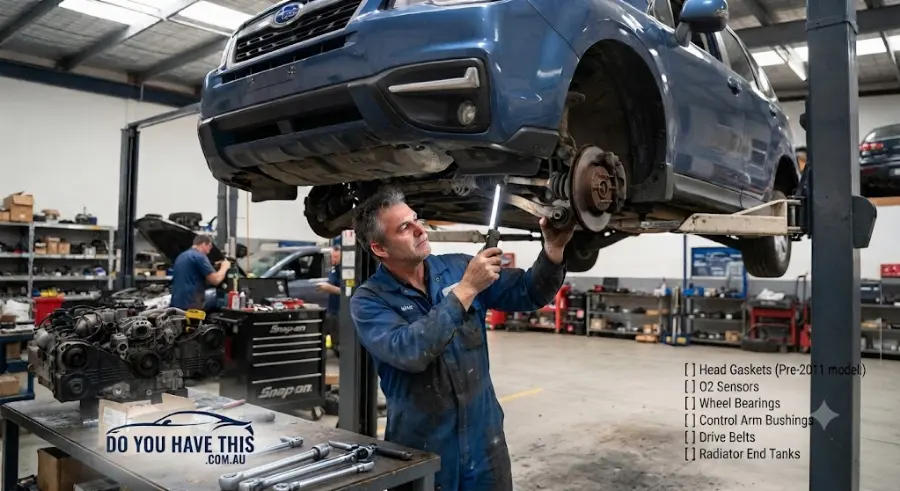
The Subaru Forester has earned a strong reputation in Australia for its practicality, all-wheel-drive capability, and dependable performance. It's a favorite among families, outdoor enthusiasts, and drivers who regularly travel between city streets and country roads. Many owners enjoy years of reliable service with relatively few major surprises.
That doesn't mean every Forester is trouble-free. Like any vehicle, some components naturally wear over time. Understanding Subaru Forester known issues in Australia helps you prevent unexpected repair bills.
You may also be interested in the top car parts that Australians replace the most, especially if you're planning long-term maintenance. Knowing which parts deserve attention can save both time and money.
Why the Subaru Forester Has a Strong Reputation
One reason the Forester remains popular across Australia is its balanced design. It combines SUV practicality with car-like handling while offering Subaru's symmetrical all-wheel-drive system, which performs well in wet roads, gravel, and light off-road conditions.
Owners also appreciate:
- Comfortable ride quality
- Good visibility
- Spacious interior
- Reliable boxer engines when maintained correctly
- Strong resale value
However, long-term ownership depends heavily on regular servicing. Many of the Subaru Forester problems Australia owners discuss online are linked to delayed maintenance rather than sudden failures.
Common Subaru Forester Issues Owners Should Know
Every generation has slightly different characteristics, but several issues appear consistently among higher-mileage vehicles.
Engine Oil Consumption
Some Forester models, particularly certain naturally aspirated engines from the early to mid-2010s, became known for higher-than-normal oil consumption.
Drivers may notice:
- Oil level dropping between services
- Low oil warning light
- Need for occasional top-ups
Ignoring low oil levels can increase engine wear over time.
Checking the oil regularly especially before long trips is one of the simplest habits that can extend engine life.
CVT Transmission Concerns
Many newer Foresters use Subaru's continuously variable transmission (CVT).
Most owners experience years of smooth operation, but higher-mileage vehicles can develop:
- Hesitation during acceleration
- Shuddering
- Delayed engagement
- Unusual transmission noises
These issues don't always mean the transmission has failed. Sometimes software updates, fluid servicing, or early diagnosis can prevent larger repairs.
Following Subaru's maintenance recommendations is particularly important for vehicles used for towing or frequent highway driving.
Suspension Wear
Australian roads vary dramatically from smooth highways to rough rural tracks.
Because many Foresters spend time on uneven roads, suspension components naturally wear over time.
Common items include:
- Control arm bushes
- Shock absorbers
- Strut mounts
- Stabilizer bar links
Drivers usually notice:
- Knocking noises
- Less stable cornering
- Uneven tire wear
- Increased vibration
Replacing worn suspension parts restores both ride comfort and handling.
Parts That Wear Faster Than Many Owners Expect
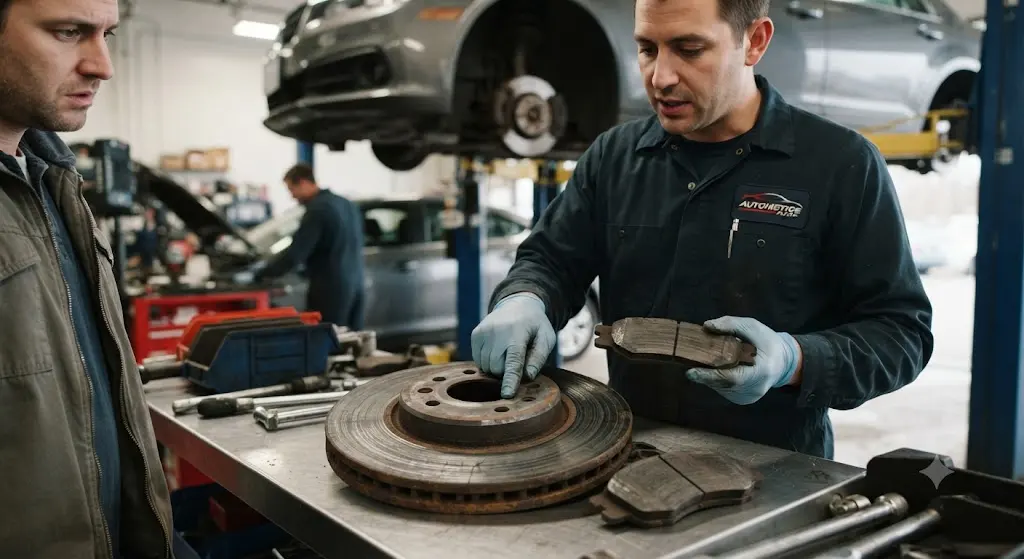
Some parts aren't faulty, they simply reach the end of their service life earlier depending on driving conditions.
Wheel Bearings
Wheel bearings are among the most discussed Subaru Forester issues, especially on older vehicles.
Symptoms include:
- Humming noise that increases with speed
- Vibration
- Noise changing while turning
Because the sound often resembles tire noise, wheel bearing problems are sometimes overlooked. If repairs become more frequent, many owners start asking whether it's worth repairing an old car or buying new parts.
Brake Components
Brake pads and rotors naturally wear on every vehicle, but Australian driving conditions can accelerate wear.
Factors include:
- Mountain driving
- Heavy traffic
- Towing
- Frequent downhill braking
Regular brake inspections help identify wear before braking performance declines.
Battery
Modern Foresters rely on numerous electronic systems.
A weakening battery can lead to:
- Slow starting
- Warning lights
- Electronic system errors
- Stop-start system issues (where equipped)
Replacing the battery before complete failure often prevents unnecessary inconvenience.
Tires
Subaru's all-wheel-drive system depends on all four tires maintaining similar tread depth.
Uneven tire wear can affect:
- Vehicle handling
- Fuel efficiency
- AWD system performance
Rotating tires at recommended intervals helps maximize tire life.
Subaru Forester Maintenance Problems That Are Often Preventable
Many discussions about Subaru Forester maintenance problems involve maintenance delays rather than manufacturing defects.
Regular servicing significantly reduces the likelihood of expensive repairs.
Important maintenance areas include:
- Engine oil changes
- Coolant replacement
- Brake fluid servicing
- CVT inspections
- Differential oil
- Air filters
- Spark plugs
- Drive belts
Skipping scheduled maintenance often costs much more than routine servicing.
Cooling System Components
The cooling system becomes increasingly important as the vehicle ages.
Components that eventually wear include:
- Radiator hoses
- Thermostat
- Water pump
- Coolant reservoir
Leaks often begin slowly.
Early signs include:
- Sweet coolant smell
- Temperature fluctuations
- Small coolant stains beneath the vehicle
Ignoring cooling issues increases the risk of overheating.
Air Conditioning Problems
Australian summers place significant demand on vehicle air conditioning.
Common wear items include:
- Compressors
- Condensers
- Refrigerant seals
- Cabin filters
Reduced cooling performance doesn't always mean major repairs are required. Sometimes replacing worn seals or servicing the system restores normal operation.
Electrical Components
Modern Foresters include numerous electronic systems that naturally age.
Owners occasionally report issues involving:
- Window switches
- Door lock actuators
- Backup cameras
- Sensors
- Infotainment systems
Most electrical faults affect convenience rather than vehicle safety, but early diagnosis usually keeps repair costs lower.
Boxer Engine Characteristics
Subaru's boxer engine differs from traditional inline engines. Its lower center of gravity improves handling, but it also has unique maintenance requirements. Routine inspections are important for:
- Oil leaks around seals
- Valve cover gaskets
- Spark plug replacement access
These aren't necessarily defects, they're normal maintenance considerations. If replacement parts are needed, reliable car parts shipping across Australia can help you source the correct components quickly.
Subaru Forester Reliability: The Bigger Picture
When discussing Subaru Forester reliability, it's important to separate internet stories from real ownership experience.
Online forums naturally attract owners experiencing problems, making issues appear more widespread than they actually are.
Across Australia, many Foresters exceed:
- 200,000 km
- 250,000 km
- Even 300,000 km
The difference usually comes down to:
- Consistent servicing
- Genuine or quality replacement parts
- Prompt attention to warning signs
- Regular inspections
Owners who stay ahead of maintenance often report many years of dependable service.
Common Mistakes Owners Make
Understanding Subaru Forester faults also means recognizing avoidable mistakes.
Ignoring Small Noises
A slight suspension knock or wheel bearing hum may seem harmless.
Unfortunately, small issues rarely improve on their own.
Early repairs often prevent larger component failures.
Delaying Oil Checks
Some engines naturally consume small amounts of oil.
Waiting until the warning light appears may already mean the oil level has become too low.
Manual oil checks remain worthwhile even on modern vehicles.
Using Mismatched Tires
Because every Forester uses all-wheel drive, replacing only one worn tire isn't always ideal.
Large differences in tire circumference may increase drivetrain stress.
Replacing tires as a matching sector following manufacturer recommendations is generally the better approach.
Skipping Regular Inspections
Vehicles driven daily often develop gradual wear that's difficult to notice.
Routine inspections can identify:
- Suspension wear
- Brake deterioration
- Fluid leaks
- Tire issues
Finding these problems early usually means simpler repairs.
Buying a Used Subaru Forester
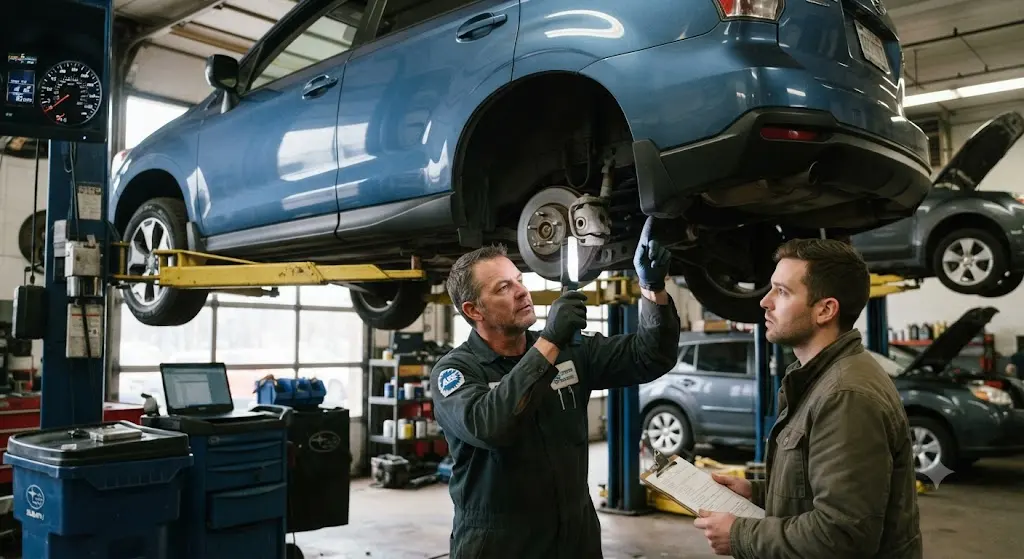
If you're considering purchasing a used Forester, don't focus only on mileage. Instead, ask about:
- Complete service history
- Oil change intervals
- Transmission servicing
- Accident repairs
- Suspension replacements
- Cooling system maintenance
A well-maintained high-mileage Forester is often a better buy than a lower-mileage vehicle with poor service records. You may also find our Car Taillights & Headlights Replacement Guide helpful when inspecting a used vehicle. A professional pre-purchase inspection can identify hidden wear before you buy.
Expert Perspective
Experienced Subaru technicians often point out that the Forester's biggest strength is its predictability.
Most wear items develop gradually rather than failing without warning. That gives attentive owners time to plan repairs before they become emergencies.
Quality replacement parts also make a noticeable difference. Components such as wheel bearings, suspension bushes, brake parts, and cooling system components should meet appropriate quality standards to maintain the vehicle's performance and safety.
Rather than waiting for something to fail completely, replacing worn components during scheduled maintenance often reduces overall ownership costs.
Conclusion
The Subaru Forester remains one of Australia's most practical and capable SUVs, especially for drivers who value confidence in changing road conditions.
While researching Subaru Forester known issues Australia may reveal concerns such as oil consumption, suspension wear, wheel bearings, and transmission maintenance, these shouldn't automatically discourage buyers. Most are well understood, develop gradually, and can be managed through regular servicing and timely repairs.
Whether you're maintaining your current Forester or shopping for a used one, understanding common wear points allows you to make informed decisions and avoid unexpected surprises.
If you're replacing worn Subaru parts, choosing quality components and addressing issues early can help keep your Forester reliable for many years to come.
FAQs
Is the Subaru Forester reliable in Australia?
Yes. The Subaru Forester has a strong reputation for long-term reliability when serviced regularly. Many Australian owners report high mileage with relatively few major issues.
What are the most common Subaru Forester problems?
Some commonly reported concerns include oil consumption on certain model years, wheel bearing wear, suspension component wear, CVT transmission concerns, and aging cooling system parts.
Which Subaru Forester parts wear out the fastest?
Brake pads, brake rotors, wheel bearings, suspension bushes, shock absorbers, batteries, and tires are among the components that commonly require replacement as mileage increases.
How can I reduce Subaru Forester maintenance costs?
Following the recommended service schedule, checking engine oil regularly, replacing worn parts promptly, and using quality replacement components can help prevent larger repair expenses.
Is a used Subaru Forester worth buying?
A well-maintained used Forester with documented service history is often an excellent purchase. Maintenance history is generally more important than mileage alone.