Is It Worth Repairing an Old Car or Buying New Parts?
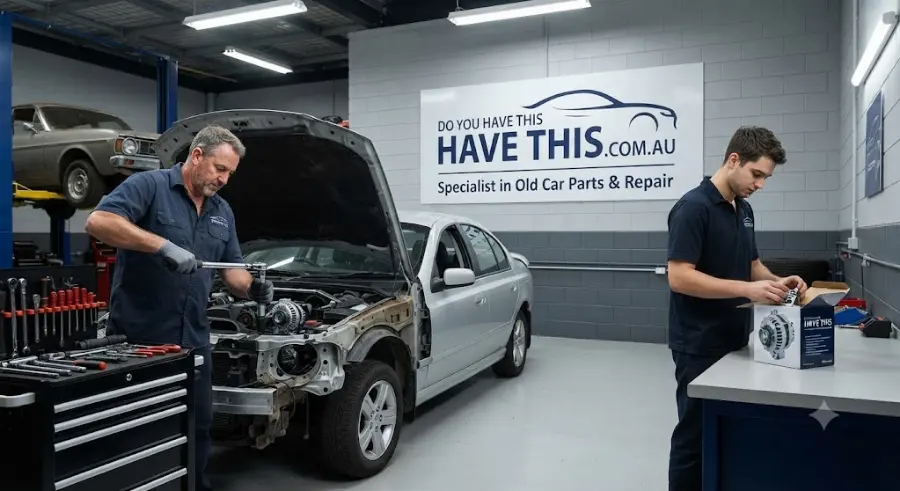
Most car owners eventually face the same question: should you keep repairing an aging vehicle, or is it time to invest in new parts or even consider replacing the car altogether?
There isn't a single answer that fits every situation. Some older vehicles continue to provide reliable service with routine maintenance, while others become increasingly expensive to repair.
If you're searching for Toyota Corolla Spare Parts in Australia: Where to Buy Cheap, it's worth considering your vehicle's overall condition, long-term reliability, safety, and ownership costs before deciding whether to repair or replace major components.
This guide explains how to evaluate your options, understand old car repair vs replacement decisions, and determine when investing in quality replacement parts is worthwhile.
Why This Decision Is More Complicated Than It Seems
It's easy to assume that every expensive repair means it's time to replace the vehicle. On the other hand, some owners continue pouring money into cars that have reached the end of their practical life.
Neither approach is always correct.
Modern vehicles are built to last much longer than cars produced decades ago. Many can exceed 200,000 miles (or over 300,000 kilometers) with proper maintenance. Age alone doesn't determine whether a vehicle is worth keeping.
Instead, several factors work together:
- Current mechanical condition
- Service history
- Rust or structural damage
- Cost of upcoming repairs
- Availability of replacement parts
- Annual maintenance expenses
- Overall reliability
Looking at these factors together creates a much clearer picture than focusing on a single repair estimate.
Understanding the Real Cost of Owning an Older Vehicle
One of the biggest considerations is the cost of maintaining an older vehicle. Common repairs such as brakes, suspension, cooling system components, batteries, belts, hoses, and electrical parts are normal wear items.
If you're searching for How to Find Rare and Hard-to-Find Car Parts in Australia, sourcing quality replacement components can help keep repair costs manageable. The key is determining whether repairs remain occasional and predictable or if multiple major systems are beginning to fail at the same time.
When Repairing an Old Car Makes Financial Sense
There are many situations where continuing repairs is the smarter financial decision.
The Vehicle Is Structurally Sound
If the frame and body have minimal rust or accident damage, mechanical components can usually be repaired or replaced economically.
A solid structure gives almost every repair greater long-term value.
Major Components Are Still Healthy
If the engine and transmission remain in good condition, replacing suspension parts, brakes, or cooling components is often worthwhile.
These repairs restore reliability without requiring an entirely new vehicle.
Repair Costs Are Lower Than Replacement Costs
Compare annual repair expenses with:
- Vehicle payments
- Registration
- Insurance
- Depreciation
- Taxes
Many owners discover that maintaining an older vehicle costs significantly less over several years.
The Vehicle Fits Your Needs
If your car still performs its intended job daily commuting, family transportation, or occasional travel it may not make financial sense to replace it simply because it's older.
When Buying New Parts Is the Better Investment
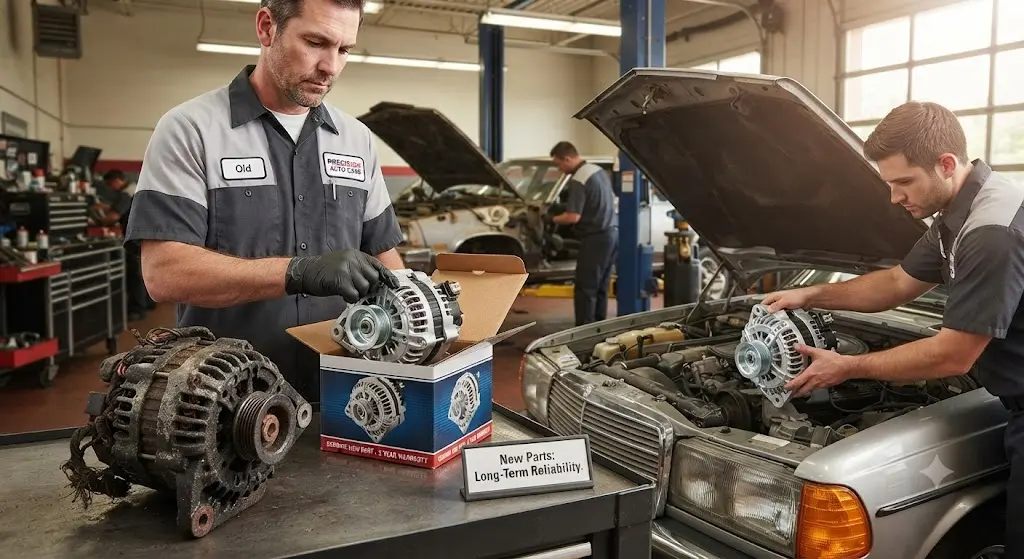
Sometimes replacing worn components with quality new parts provides much better value than repeated temporary fixes.
The new car parts benefits often include:
Improved Reliability
New parts reduce the chance of recurring failures.
Instead of repairing the same system multiple times, installing a quality replacement often solves the issue completely.
Better Safety
Critical components such as:
- Brake systems
- Steering parts
- Suspension components
- Lighting
- Airbag sensors
should never be compromised.
Using dependable replacement parts helps maintain the vehicle's original safety standards.
Longer Service Life
New components usually last longer than repaired or heavily worn originals.
This can reduce future labor costs because the same repair won't need repeating as soon.
Better Fuel Efficiency
Certain worn components, such as oxygen sensors, ignition parts, wheel bearings, and suspension components, can reduce fuel economy. Replacing them can improve efficiency and overall performance.
If you're looking to save money on quality replacements, 10 Best Places to Buy Used Car Parts offers helpful guidance for finding reliable used components.
When Repairs May No Longer Be Worth It
Not every vehicle should be kept indefinitely.
There are situations where continuing repairs becomes difficult to justify.
Severe Rust
Rust affecting:
- Frame rails
- Suspension mounting points
- Floor structure
can compromise safety.
Mechanical repairs cannot solve structural deterioration.
Repeated Major Failures
If expensive systems continue failing, such as:
- Engine
- Transmission
- Differential
- Electrical systems
repair costs may quickly exceed the vehicle's value.
Parts Become Difficult to Find
Some older or discontinued models require rare components that are increasingly expensive or unavailable.
Extended repair delays can make ownership impractical.
Safety Standards Have Changed
Although older vehicles can remain safe when properly maintained, newer models often include:
- Advanced collision avoidance
- Improved crash protection
- Better stability control
- More effective airbags
For some drivers, these improvements alone justify upgrading.
How to Compare Repair Costs Fairly
Instead of asking:
"Should I repair this?"
Ask:
"What will this vehicle cost me over the next three years?"
Consider:
Expense
Older Vehicle
Replacement Vehicle
Repairs
Moderate
Usually low initially
Loan payments
None
Monthly
Insurance
Often lower
Often higher
Registration
Usually lower
Often higher
Depreciation
Minimal
Significant
Many owners underestimate how expensive replacing a vehicle can be compared to maintaining one that's already paid off.
Keeping an Old Car Running for Years
Many drivers successfully spend years keeping an old car running by following a proactive maintenance schedule.
Good habits include:
- Changing fluids on schedule
- Replacing worn belts before failure
- Inspecting brakes regularly
- Monitoring cooling system performance
- Rotating tires
- Addressing small problems early
- Using quality replacement components
Preventive maintenance usually costs far less than emergency repairs.
Common Mistakes People Make
Waiting Too Long
Ignoring unusual noises or warning lights often turns inexpensive repairs into expensive ones.
Choosing the Cheapest Parts
Low-cost components may appear attractive initially but sometimes wear out much sooner than higher-quality replacements.
Buying better parts often lowers long-term ownership costs.
Focusing Only on Vehicle Value
Owners frequently compare repair costs to the market value of the car.
While resale value matters, it isn't the only consideration.
A $2,000 repair on a vehicle worth $4,000 may still be worthwhile if it provides several additional years of dependable transportation.
Skipping Routine Maintenance
Routine servicing extends vehicle life more effectively than almost any major repair.
Oil changes, cooling system maintenance, transmission servicing, and brake inspections prevent much larger problems later.
Used Parts vs New Parts
Some repairs don't always require brand-new components.
For cosmetic or non-critical items such as:
- Mirrors
- Doors
- Body panels
- Interior trim
- Certain electronic accessories
Quality recycled parts can provide excellent value.
However, for safety-critical or high-wear components, new parts are often the better long-term investment.
Choosing the appropriate part depends on:
- Vehicle age
- Repair type
- Expected lifespan
- Budget
- Availability
Expert Perspective: Think Beyond Today's Repair Bill
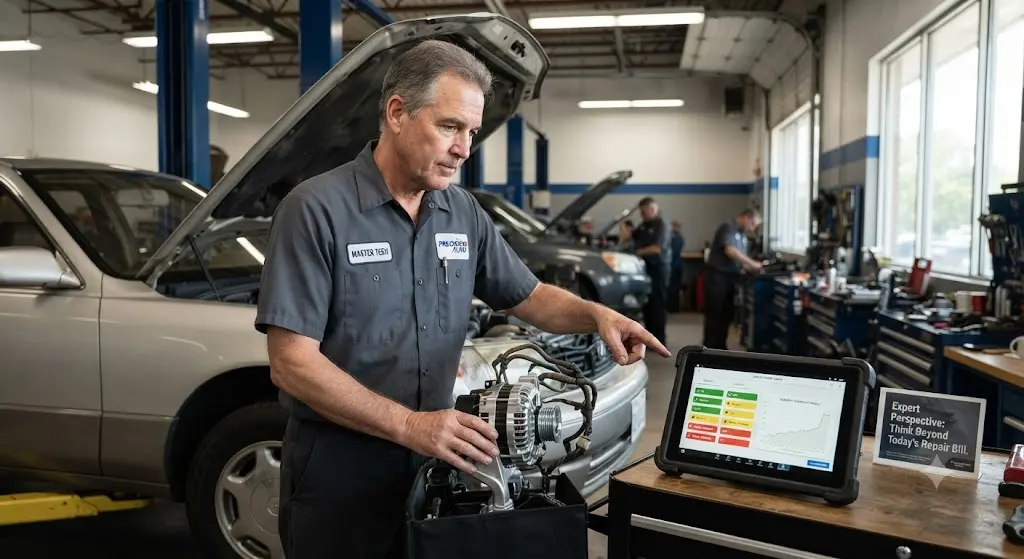
Experienced mechanics rarely judge a vehicle based on one repair alone.
Instead, they evaluate:
- Overall mechanical condition
- Previous maintenance
- Upcoming wear items
- Reliability history
- Owner expectations
This broader approach leads to better vehicle repair decisions than simply reacting to the latest repair estimate.
A well-maintained older car can often be more dependable than a newer vehicle with an unknown history.
Before investing in major repairs, it's worth reviewing the vehicle's overall condition and exploring Request-A-Part Marketplaces: The Smart Way to Buy Car Parts to compare quality replacement options. This helps ensure your money is spent where it delivers the greatest long-term value.
Questions to Ask Before Spending Money
Before approving a major repair, consider asking:
- Is this a one-time repair or part of a growing pattern?
- What additional repairs are likely within the next year?
- Is the engine still healthy?
- Is the transmission operating properly?
- Does the vehicle have structural rust?
- Are quality replacement parts readily available?
- Will this repair improve reliability significantly?
The answers often make the decision much clearer.
Conclusion
Choosing between repairing an old car vs buying new parts isn't simply about today's repair invoice. It's about understanding the overall condition of the vehicle, estimating future ownership costs, and deciding whether today's investment will provide dependable transportation tomorrow.
Many older vehicles remain reliable for years with proper maintenance and carefully selected replacement parts. Others eventually reach a point where repeated repairs no longer make financial or practical sense.
Taking a balanced approach considering safety, reliability, maintenance history, and long-term costs helps you make confident decisions without spending more than necessary.
If you're unsure which option makes the most sense for your vehicle, speaking with a trusted automotive professional can provide valuable insight before committing to major repairs.
FAQs
Is it cheaper to repair an old car than buy another one?
Often, yes. If the vehicle is mechanically sound and repair costs remain reasonable, maintaining an older car can be less expensive than financing a replacement.
How much is too much to spend repairing an older car?
There's no universal number. Consider the vehicle's overall condition, expected lifespan after repairs, and future maintenance needs rather than focusing only on its resale value.
Should I always buy new parts for repairs?
Not necessarily. New parts are generally best for safety-critical and high-wear components, while quality recycled parts can be a cost-effective option for cosmetic or non-essential repairs.
How can I keep my old car reliable?
Follow the manufacturer's maintenance schedule, replace worn parts before they fail, monitor fluid levels, and address minor issues early to avoid more expensive repairs later.
What signs indicate it's time to replace an old car?
Persistent major mechanical failures, severe structural rust, increasingly difficult-to-find parts, and repair costs that consistently exceed the vehicle's practical value are strong indicators it may be time to move on.