Top Car Parts That Australians Replace the Most
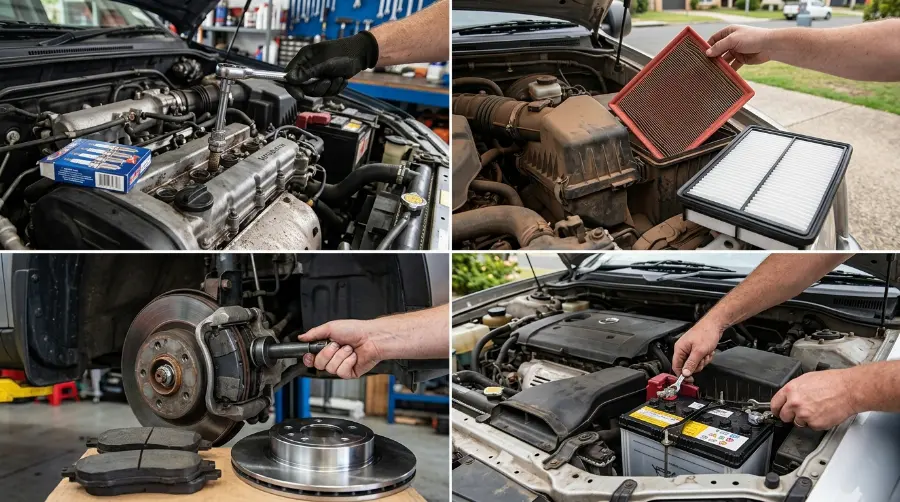
Understanding which car parts fail most frequently helps drivers plan maintenance better, reduce unexpected breakdowns, and save money on repairs. Across Australia, driving conditions, long travel distances, and varying road quality all contribute to the wear and tear of essential components.
Whether you own a Toyota Corolla, Ford Ranger, Mazda 3, or Hyundai i30, certain vehicle maintenance parts are replaced far more often than others. Knowing these trends also helps mechanics and workshops stock the right inventory and improve service efficiency.
Platforms like DoYouHaveThis.com.au support this ecosystem by connecting buyers with auto wreckers, dismantlers, and suppliers across Australia, making it easier to source popular spare parts quickly through a request-based system.
This guide breaks down the most commonly replaced car parts in Australia based on common car repairs and real-world usage patterns.
1. Brake Pads
Brake pads are the most frequently replaced safety component in any vehicle.
Why they wear out:
- Frequent stopping in city traffic
- Heavy braking on highways
- Driving in hilly or rural areas
Signs of wear:
- Squeaking or grinding noise
- Reduced braking performance
- Vibrations when braking
Brake pads are one of the most common frequent car parts replacement items in Australia.
2. Battery
Car batteries are essential for starting your vehicle and powering electrical systems.
Average lifespan:
- 2 to 4 years
Common issues:
- Slow engine start
- Electrical failures
- Dim lights
Due to Australia’s temperature variations, battery failure is one of the most reported auto repair statistics among drivers.
3. Tyres
Tyres are among the most critical vehicle maintenance parts due to constant road contact.
Why they need replacement:
- Tread wear
- Punctures
- Uneven alignment wear
Replacement cycle:
- Typically every 40,000–60,000 km
Poor road surfaces and long-distance driving make tire replacement a routine necessity.
4. Oil Filters and Engine Oil
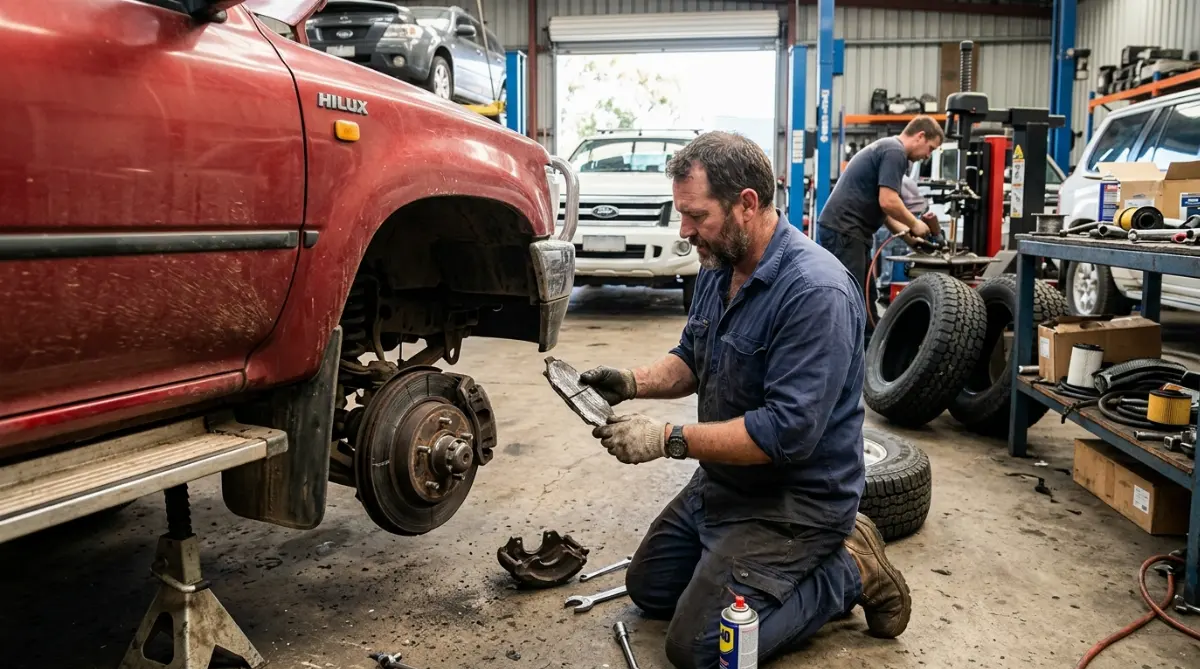
Engine oil and filters are essential for engine health.
Why they are replaced:
- Contaminant buildup
- Reduced lubrication efficiency
Replacement interval:
- Every 5,000–10,000 km depending on vehicle type
Regular servicing prevents long-term engine damage and improves fuel efficiency.
5. Spark Plugs
Spark plugs are small but vital components that ignite the fuel-air mixture in the engine.
Signs of failure:
- Hard starting
- Misfiring engine
- Reduced fuel efficiency
Spark plugs are among the most overlooked but frequently replaced car parts.
6. Brake Rotors
Brake rotors work alongside brake pads and wear down over time.
Symptoms of worn rotors:
- Shaking when braking
- Reduced braking efficiency
- Scoring or grooves on discs
Rotors are often replaced during brake system servicing.
7. Air Filters
Air filters protect the engine from dust and debris.
Why they matter in Australia:
- Dusty rural roads
- Long highway driving
- Urban pollution
Clogged air filters reduce engine performance and fuel efficiency.
8. Wiper Blades
Wiper blades are inexpensive but essential for visibility.
Replacement signs:
- Streaking on the windshield
- Noisy operation
- Reduced cleaning efficiency
Due to unpredictable weather conditions, wiper blades are a commonly replaced item.
9. Suspension Components
Suspension parts like shocks and bushings wear out due to road conditions.
Common replacements:
- Shock absorbers
- Struts
- Control arms
These components are essential for vehicle stability and comfort.
10. Light Bulbs and Electrical Components
Lighting and electrical parts fail frequently due to usage and vibration.
Common replacements:
- Headlight bulbs
- Tail lights
- Fuses
- Relays
Faulty lights are one of the most reported common car repairs in Australia.
Why These Parts Fail More Often in Australia
Several factors contribute to higher wear rates:
- Long-distance highway driving
- Rural and rough road conditions
- Temperature fluctuations
- Stop-start city traffic
- Heavy vehicle loads
These conditions increase stress on critical components, leading to more frequent replacements.
How to Reduce Frequent Repairs
You can extend the life of your vehicle maintenance parts by:
- Following regular servicing schedules
- Using quality OEM or trusted aftermarket parts
- Checking tyres and brakes regularly
- Avoiding aggressive driving habits
- Keeping fluids topped up
Preventive maintenance reduces long-term repair costs significantly.
Where to Find Replacement Parts Easily
Instead of contacting multiple suppliers, many Australians now use online platforms to source popular spare parts.
Platforms like DoYouHaveThis.com.au allow users to:
- Post part requests
- Receive multiple supplier quotes
- Compare prices and availability
- Access nationwide wreckers and suppliers
This makes sourcing replacement parts faster and more cost-effective.
Final Thoughts
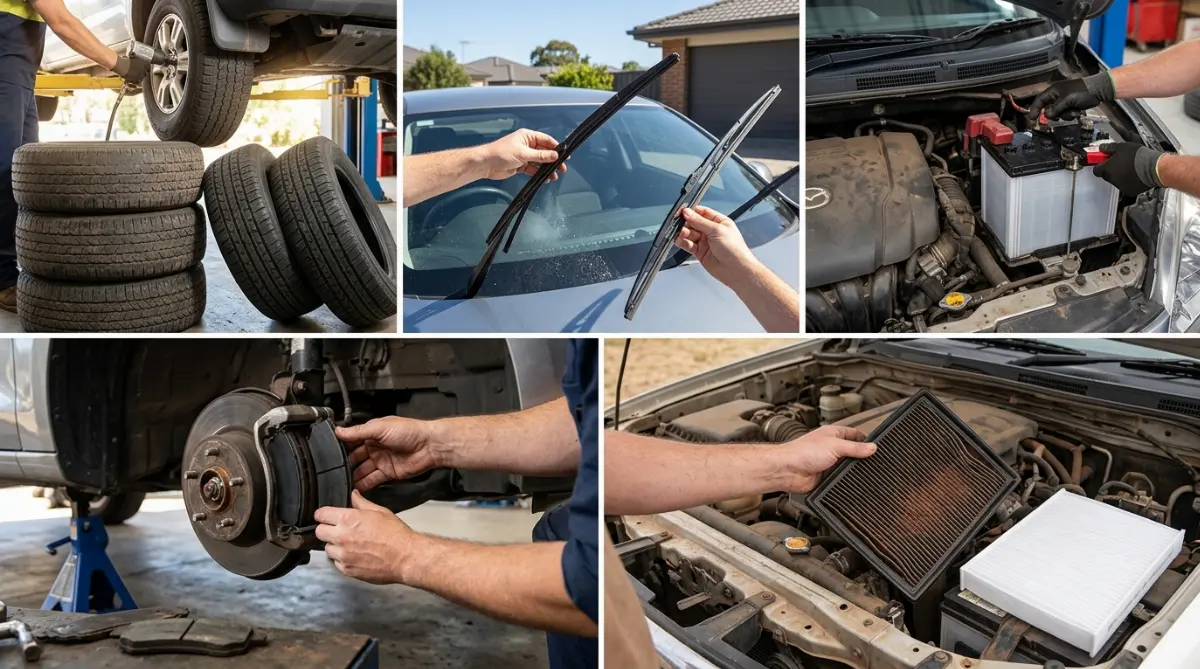
The most commonly replaced car parts in Australia include brake pads, batteries, tires, filters, and suspension components. These frequent car part replacement items are essential for safe driving and overall vehicle performance.
By understanding common car repairs and monitoring wear patterns, car owners can plan maintenance more effectively and avoid unexpected breakdowns.
With growing access to online marketplaces and nationwide suppliers, finding reliable and affordable vehicle maintenance parts has become easier than ever for Australian drivers and mechanics.
FAQs
1. What car parts are replaced most often in Australia?
Brake pads, batteries, tires, oil filters, spark plugs, and wiper blades are among the most frequently replaced car parts due to regular wear and tear.
2. Why do brake pads wear out so quickly?
Brake pads wear out due to frequent braking, city driving, heavy loads, and road conditions, making them one of the most common car repairs.
3. How often should car batteries be replaced?
Most car batteries last around 2 to 4 years, depending on usage, weather conditions, and maintenance habits.
4. What are the most important vehicle maintenance parts?
Key maintenance parts include brake systems, tyres, filters, spark plugs, and suspension components, as they directly affect safety and performance.
5. How can I reduce frequent car repairs?
Regular servicing, using quality parts, checking tyres and brakes, and following maintenance schedules can significantly reduce repair frequency.