How a Car Starter Motor Works and Signs It Is Failing
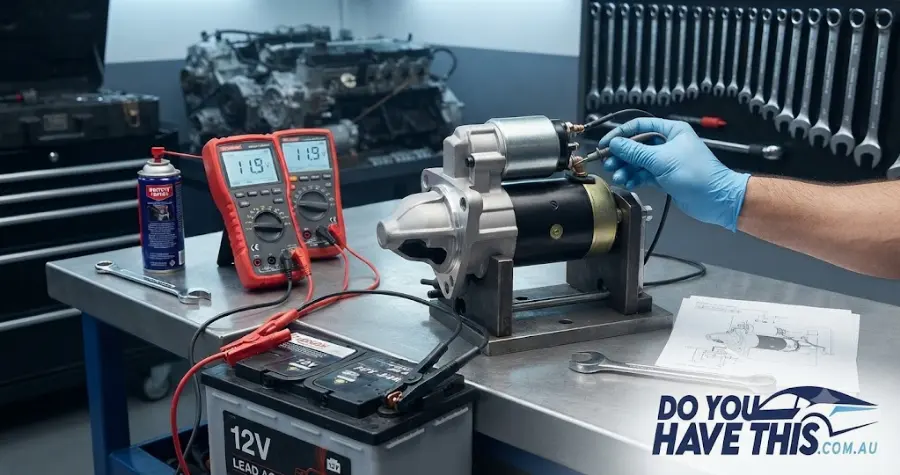
A car that refuses to start often leads people to think the battery is dead. While a weak battery is one of the most common reasons for a no-start condition, it is far from the only possibility. In many cases, the real problem lies with the starter motor.
Recognizing car starter motor is failing early can help prevent unexpected breakdowns and unnecessary repair costs. The starter motor turns the engine so it can begin running on its own. When it fails, even a healthy vehicle may not start.
This guide covers how a starter motor works, common failure signs, and what to do when problems occur. For more practical car advice, visit doyouhavethis.com.au.
What Is a Car Starter Motor?
The starter motor is a powerful electric motor connected to the engine and powered by the vehicle's battery. Its job is to rotate the engine's crankshaft during startup until combustion takes over.
Without the starter motor, the engine cannot begin its normal operating cycle. Although modern vehicles include sophisticated electronics, sensors, and engine management systems, they all still rely on the starter motor to begin the process.
Most starter motors are designed to last many years, often well beyond 150,000 kilometers under normal driving conditions. However, like any mechanical and electrical component, they eventually wear out.
How a Starter Motor Works
Understanding the starting sequence helps explain why different faults create different symptoms.
Step 1: You Turn the Key or Press the Start Button
When the ignition is activated, electrical current flows from the battery to the starter solenoid.
Step 2: The Starter Solenoid Engages
The solenoid acts as both an electrical switch and a mechanical actuator.
It performs two important jobs:
- Connects battery power directly to the starter motor
- Pushes the starter gear forward so it meshes with the engine's flywheel
Step 3: The Starter Motor Spins
The electric motor rotates at high speed, transferring torque through the starter gear into the flywheel.
This rotation turns the crankshaft, allowing fuel injection and ignition to begin.
Step 4: The Engine Starts
Once combustion becomes self-sustaining, the starter disengages automatically.
The starter gear retracts to prevent damage while the engine continues running independently.
The entire process usually takes only a second or two.
Why Starter Motors Eventually Fail
Starter motors experience considerable stress every time the engine starts. Over time, both the electrical and mechanical components begin to wear.
Common causes include:
- Worn brushes
- Damaged armature windings
- Burned electrical contacts
- Failed solenoid
- Worn bearings
- Heat damage
- Oil contamination
- Corroded electrical connections
- Age-related wear
Vehicles used for frequent short trips place greater demand on the starter because it cycles more often than those driven mainly on highways. Similar maintenance concerns are discussed in Toyota HiLux Common Problems, where wear-related components become more common as mileage increases.
Common Car Starter Motor Failing Signs
Many starter motor failure symptoms begin gradually before complete failure occurs.
Learning to recognize these warning signs allows repairs before you're stranded.
Clicking Without the Engine Cranking
One of the best-known bad starter motor signs is hearing a single click or repeated clicking when turning the key.
This often means:
- The solenoid is engaging
- The starter motor itself isn't rotating
- Internal electrical contacts may be worn
It's worth remembering that a weak battery can create similar symptoms, so proper diagnosis is important.
Slow Engine Cranking
If the battery is healthy but the engine cranks unusually slowly, the starter may be struggling internally.
Possible causes include:
- Worn brushes
- Increased electrical resistance
- Internal mechanical wear
- Bearing failure
Slow cranking may become worse during cold mornings when the engine requires more effort to turn.
Grinding Noise During Startup
A grinding sound should never be ignored.
It may indicate:
- Damaged starter gear
- Worn flywheel teeth
- Starter misalignment
- Gear engagement problems
Ignoring this symptom can lead to much more expensive flywheel repairs later.
Intermittent Starting Problems
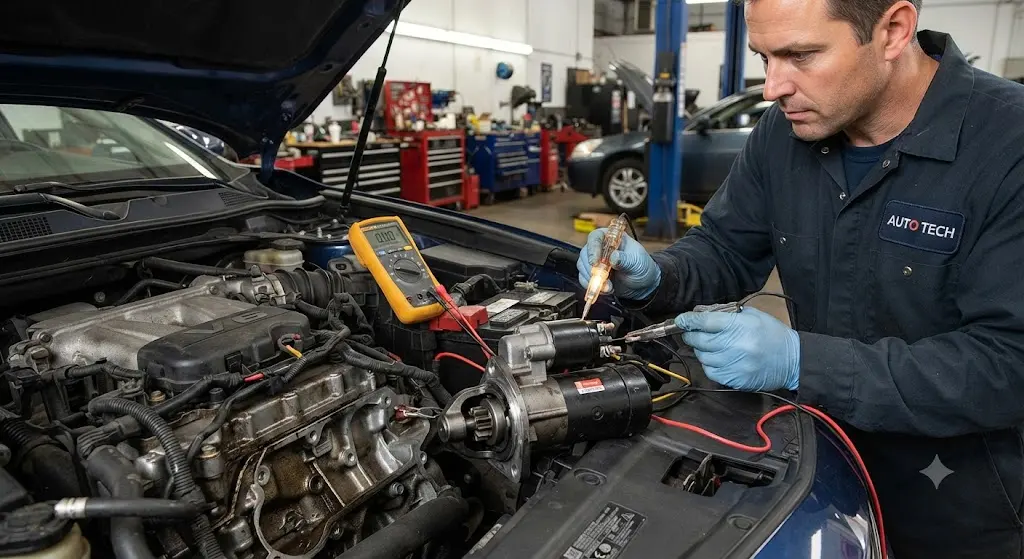
Some starter motor issues appear only occasionally. The vehicle may start normally several times, suddenly refuse to crank, and then start again after waiting. These intermittent faults often indicate worn electrical contacts inside the starter solenoid or motor.
Smoke or Burning Smell
An overheated starter may produce:
- Burning insulation smell
- Electrical odor
- Visible smoke in severe cases
Possible causes include:
- Excessive cranking
- Internal short circuits
- Mechanical binding
- High electrical resistance
If smoke appears, stop attempting to start the vehicle until it has been inspected. Likewise, if you're replacing major components, knowing How to Check If a Second Hand Gearbox Is in Good Condition can help you make a more informed purchase.
Lights Work but the Engine Won't Turn
Many drivers assume that illuminated dashboard lights mean the starter is fine.
In reality, the dashboard requires very little electrical power.
The starter motor demands hundreds of amps during cranking.
A faulty starter may fail even while interior lights, radio, and dashboard systems operate normally.
Symptoms That Can Be Mistaken for Starter Problems
Not every no-start condition involves the starter.
Other faults may produce similar symptoms.
Examples include:
- Weak or discharged battery
- Loose battery terminals
- Corroded battery cables
- Faulty ignition switch
- Damaged starter relay
- Poor engine ground connection
- Security system preventing startup
This is why replacing the starter immediately without testing can become an expensive mistake.
Basic Starter Motor Troubleshooting
Simple starter motor troubleshooting can help narrow down the cause before replacing components.
Check Battery Voltage
A healthy battery should maintain sufficient voltage during cranking.
Low voltage affects the starter's ability to operate correctly.
Inspect Battery Connections
Corrosion creates resistance that limits current flow.
Check for:
- White or green corrosion
- Loose terminals
- Damaged cables
Cleaning and tightening connections can sometimes restore normal operation.
Listen Carefully
Different sounds provide useful clues:
- Single click: solenoid may be working
- Rapid clicking: battery is often weak
- Grinding: gear engagement problem
- No sound: electrical supply issue or failed starter
Look for Oil Leaks
Engine oil leaking onto the starter can shorten its lifespan by contaminating internal components. Repairing the leak may prevent repeated starter failures. Similarly, understanding How Long Does a Used Engine Last After Replacement can help when planning major vehicle repairs or replacements.
Scan for Related Faults
Modern vehicles sometimes store diagnostic codes related to starting circuits.
Although the starter itself often doesn't generate codes, associated electrical systems may provide helpful information.
Common Mistakes Drivers Make
Starter problems are often misdiagnosed because several starting components work together.
Some common mistakes include:
Replacing the Battery First
Many people install a new battery even though the original battery still tests healthy.
The real issue may be a worn starter motor.
Continuing to Crank Repeatedly
Holding the key for long periods places enormous stress on both the starter and battery.
Repeated attempts can overheat the starter and cause additional damage.
Ignoring Early Warning Signs
Intermittent failures often become complete failures.
Addressing small problems early usually prevents roadside breakdowns.
Assuming Every Click Means a Dead Battery
Clicks can indicate battery problems, but they may also point toward worn starter components or poor electrical connections.
Proper testing matters more than guessing.
Can You Drive with a Failing Starter Motor?
Unlike many engine problems, a failing starter doesn't usually affect driving once the engine is already running.
However, every stop becomes a risk.
You may successfully reach your destination only to discover the engine won't restart afterward.
For that reason, delaying repairs isn't recommended once consistent starter motor warning signs begin appearing.
Repair or Replace?
Whether a starter should be repaired or replaced depends on its condition.
Repair may be possible if:
- Brushes are worn
- Solenoid contacts have failed
- Bearings need replacement
Replacement is often more practical when:
- Internal windings are damaged
- Multiple components are worn
- The unit has high mileage
- Labor costs exceed repair value
Many workshops choose complete replacement because modern rebuilt or new starter motors often provide better long-term reliability.
Expert Perspective: Why Accurate Diagnosis Matters
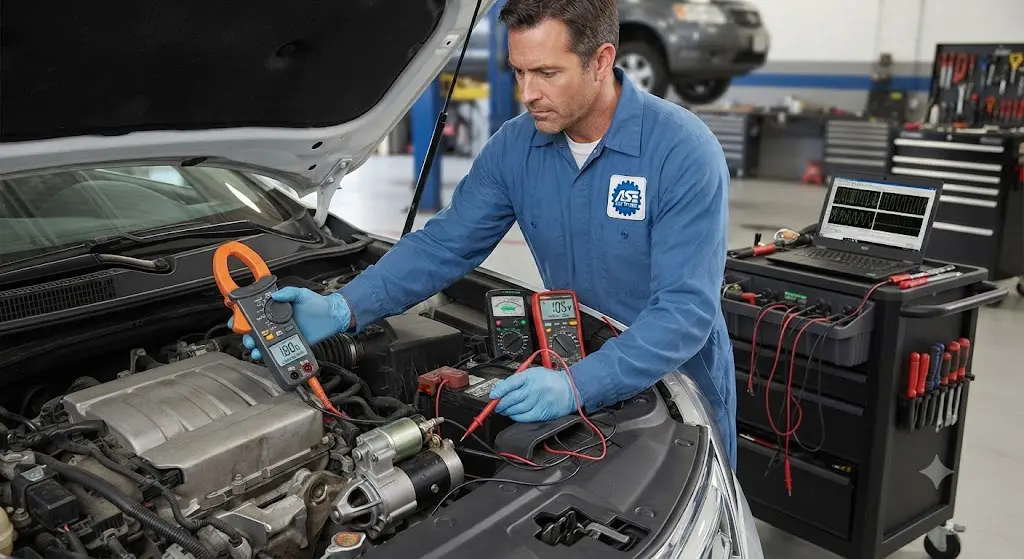
Professional technicians rarely replace a starter based on symptoms alone. Instead, they evaluate the entire starting system.
This typically includes:
- Battery load testing
- Voltage drop testing
- Starter current draw testing
- Cable inspection
- Charging system evaluation
This systematic approach helps identify the actual fault while avoiding unnecessary parts replacement. Experienced technicians also know that multiple components can fail at the same time, especially in older vehicles. Understanding how to Read a Car Part Number also helps ensure the correct replacement part is selected.
Preventing Starter Motor Problems
Although starter motors eventually wear out, good maintenance helps maximize their lifespan.
Helpful habits include:
- Keep the battery fully charged.
- Clean battery terminals regularly.
- Repair oil leaks promptly.
- Avoid extended cranking sessions.
- Investigate slowly starting early.
- Have electrical connections inspected during routine servicing.
Regular vehicle maintenance often identifies developing electrical problems before they become complete failures.
Conclusion
The starter motor is one of those components that receives little attention until the day it stops working. Yet every journey begins with it.
Learning to recognize car starter motor failing signs such as clicking noises, slow cranking, intermittent starting, grinding sounds, or burning smells can help prevent unexpected breakdowns and unnecessary repairs.
Since several starting system faults can produce similar symptoms, proper diagnosis is always the best approach before replacing parts. Understanding how the starter works makes it easier to communicate problems clearly and make informed repair decisions.
If your vehicle has begun showing consistent starting issues, having the entire starting system inspected is often the most reliable next step. A careful diagnosis can identify the true cause and help keep your vehicle dependable for everyday driving.
FAQs
How long does a car starter motor usually last?
Most starter motors last between 100,000 and 200,000 kilometers, although lifespan depends on driving habits, maintenance, and environmental conditions.
Can a bad starter drain the battery?
Yes. Certain internal faults can create excessive electrical draw, while repeated unsuccessful starting attempts can also discharge the battery.
What is the difference between a bad battery and a bad starter?
A weak battery often causes slow cranking or rapid clicking. A faulty starter may produce a single click, grinding noises, intermittent starting, or no cranking despite adequate battery power.
Is replacing a starter motor a major repair?
It varies by vehicle. Some starter motors are easily accessible, while others require removing additional engine components, increasing labor time.
Can a starter motor fail without warning?
Sometimes, yes. However, many starter motors provide early warning signs such as slower cranking, occasional starting problems, or unusual noises before complete failure.