How to Check If a Second Hand Gearbox Is in Good Condition
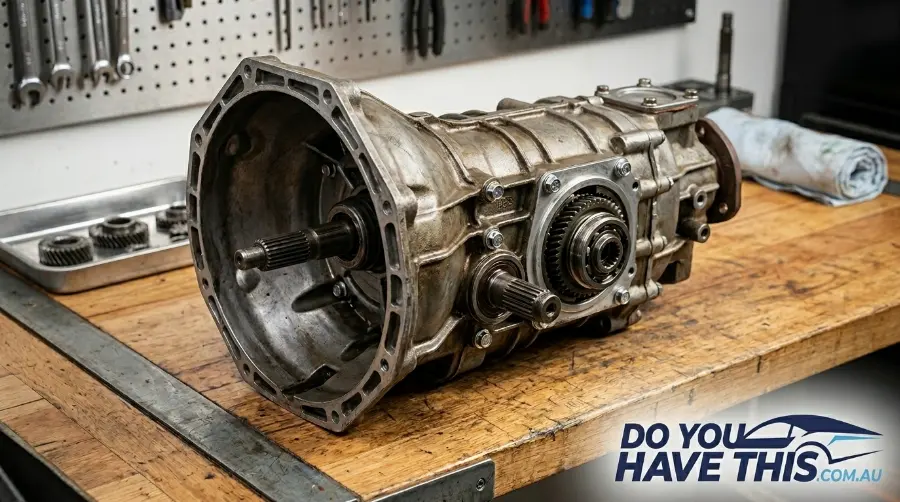
A second-hand gearbox can save hundreds or even thousands of dollars compared to buying a new replacement. However, it can also become one of the most expensive mistakes a vehicle owner makes if the unit turns out to be faulty.
Many buyers assume that if a used gearbox looks clean on the outside, it must be in good condition. Unfortunately, gearbox problems are often hidden inside. Internal wear, damaged synchronizers, worn bearings, and previous overheating may not be visible during a quick inspection.
Just as a Car Suspension Parts Guide can help identify worn suspension components before they fail, understanding the key signs of gearbox wear can help buyers avoid costly mistakes and unexpected repairs.
This is why understanding how to check second hand gearbox condition before purchase is so important. A careful inspection can reduce risk, help you ask the right questions, and improve the chances of finding a gearbox that provides reliable service.
Whether you're replacing a failed transmission, repairing a project vehicle, or sourcing parts for a customer, knowing what to look for can help you make a more informed decision.
Why Gearbox Condition Matters
The gearbox is one of the most critical mechanical components in any vehicle.
Its job is to transfer engine power efficiently while allowing the vehicle to operate at different speeds. When internal components become worn or damaged, performance, fuel efficiency, and drivability can suffer.
This is one reason many vehicle owners research Where Mechanics Buy Cheap Car Parts in Australia when looking for replacement gearboxes and other drivetrain components, as finding quality parts at a reasonable price can help reduce repair costs without compromising reliability.
Unlike some external components, gearbox repairs are often labor-intensive and expensive. Installation costs alone can be significant, especially if the replacement unit also turns out to have problems.
For this reason, investing time in inspection before purchase is usually far less expensive than dealing with unexpected repairs later.
Understanding What You Are Buying
Before inspecting a used gearbox, gather as much information as possible.
Ask for:
- Vehicle make and model
- Year of manufacture
- Engine type
- Mileage of the donor vehicle
- Service history if available
- Reason for vehicle dismantling
- Warranty information
A gearbox removed from a low-mileage accident-damaged vehicle generally presents less risk than one with an unknown history.
However, mileage alone does not determine condition. Driving habits, maintenance quality, towing history, and previous repairs can all affect gearbox lifespan.
Start With a Visual Inspection
The first step in how to check a used gearbox is a thorough external inspection.
Although internal components cannot always be seen, the outside of the gearbox often provides important clues about its history.
Look for:
- Cracks in the housing
- Broken mounting points
- Damaged sensors
- Missing bolts
- Corrosion
- Signs of impact damage
A cracked casing can indicate a severe collision or improper handling during removal.
Even if the gearbox appears functional, structural damage may lead to leaks or future failures.
Check for Oil Leaks
Oil residue around seals and joins deserves careful attention.
Small traces of fluid may simply be leftover residue from removal. However, heavy oil buildup can indicate worn seals or previous leakage issues.
Pay particular attention to:
- Input shaft seals
- Output shaft seals
- Inspection covers
- Drain plugs
Excessive leakage may suggest poor maintenance or internal wear.
Inspect the Gearbox Oil
If possible, inspect the transmission fluid.
Gearbox oil often reveals valuable information about internal conditions.
Healthy gearbox oil generally appears:
- Relatively clean
- Free from metal fragments
- Free from a burnt odor
Warning signs include:
- Metallic particles
- Burnt smell
- Milky appearance
- Excessive contamination
Small amounts of fine metallic material can be normal in older gearboxes. Larger metal fragments are more concerning and may indicate internal component damage.
When sourcing replacement gearbox components or comparing used parts through platforms such as doyouhavethis.com.au, understanding these warning signs can help buyers make more informed decisions and avoid purchasing a transmission with hidden internal issues.
Rotate the Input and Output Shafts
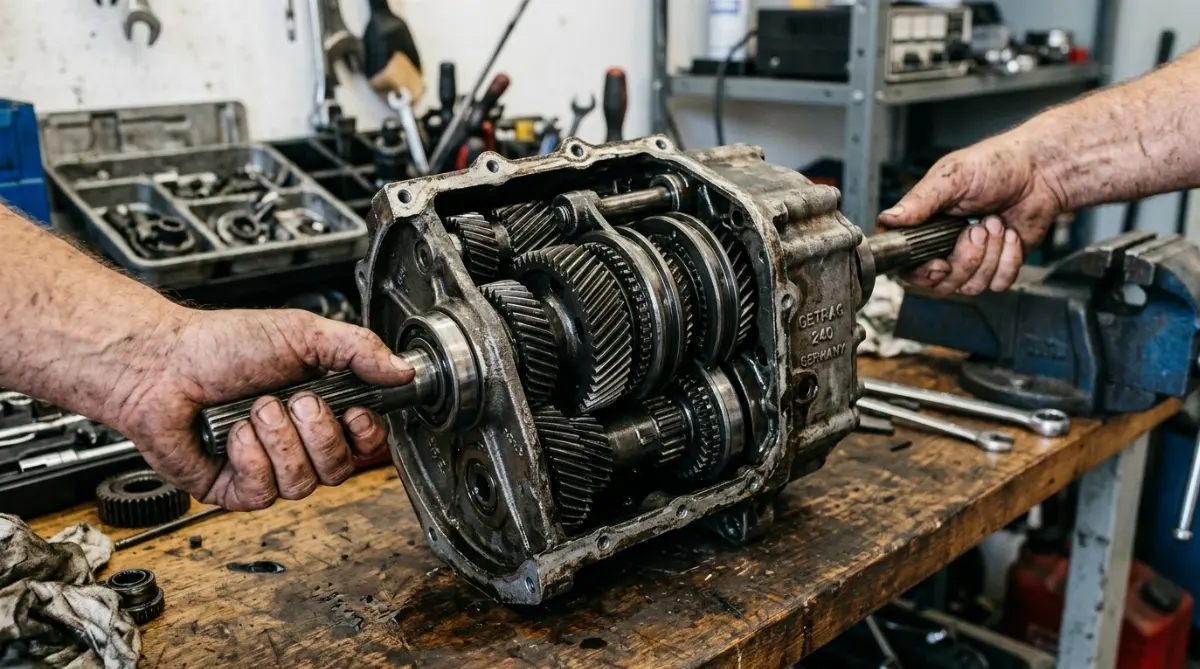
One useful step when learning how to test a second hand gearbox is manually rotating the shafts.
If access is available:
- Rotate the input shaft by hand
- Observe output shaft movement
- Listen for unusual noises
- Feel for roughness or binding
The movement should generally feel smooth and consistent.
Grinding sensations, tight spots, or unusual resistance may suggest internal wear.
This simple test cannot guarantee gearbox health, but it can reveal obvious problems.
Check Gear Selection
For manual gearboxes, gear selection is one of the most important inspection steps.
Shift through all available gears while rotating the shafts.
Look for:
- Smooth engagement
- Positive gear selection
- Consistent movement
- No excessive resistance
Difficulty selecting gears may indicate issues with:
- Shift forks
- Synchronizers
- Internal wear
If a gearbox struggles to engage gears before installation, the problem is unlikely to improve afterward.
Listen for Bearing Noise
Bearings play a crucial role inside any transmission.
Worn bearings often produce:
- Rumbling sounds
- Grinding noises
- Rough rotation
A quiet gearbox is not necessarily perfect, but noticeable bearing noise should prompt further investigation.
In many cases, bearing replacement requires gearbox disassembly, which can significantly increase repair costs.
For vehicle owners interested in reducing maintenance expenses, researching the Best Car Parts for DIY Car Repairs in Australia can be helpful when planning repairs, although gearbox work often requires specialized tools and technical knowledge beyond typical DIY projects.
Gearbox Grinding Noise: What Does It Mean?
One of the most common concerns among buyers is hearing a gearbox grinding noise.
So, gearbox grinding noise, what does it mean?
The answer depends on the source of the noise.
Possible causes include:
- Worn synchronizers
- Damaged gears
- Bearing failure
- Insufficient lubrication
- Internal contamination
A grinding noise is generally considered a warning sign rather than a normal characteristic.
If the gearbox was removed from a vehicle because of grinding during operation, buyers should proceed carefully and fully understand the nature of the fault.
Check the Donor Vehicle History
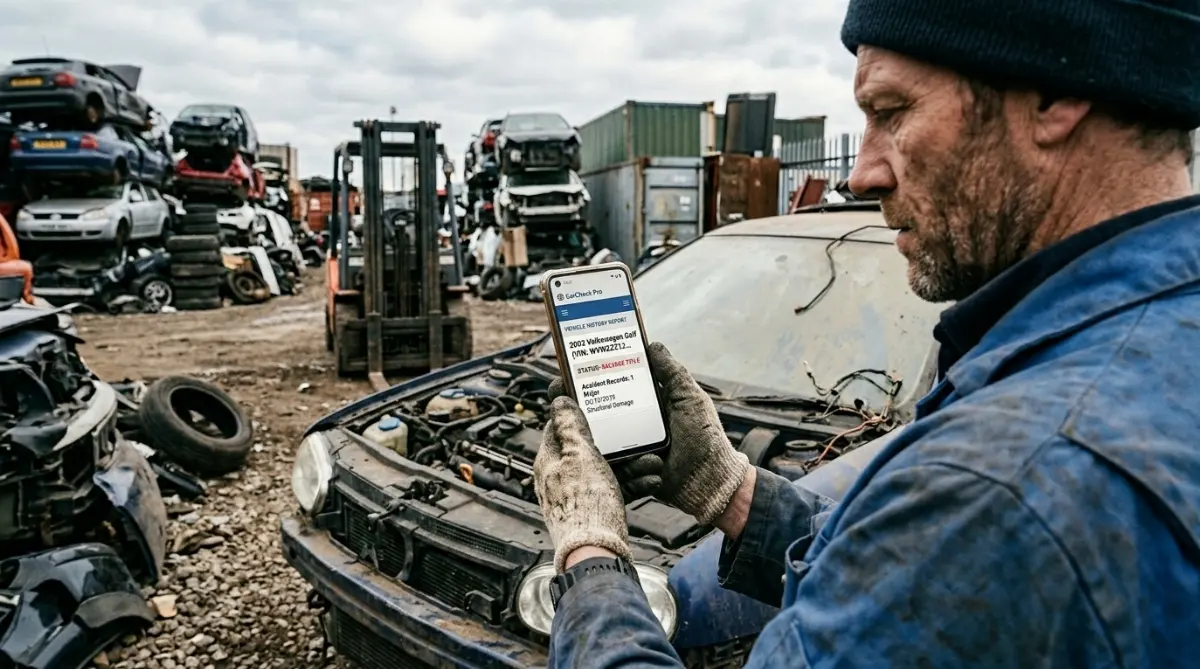
A gearbox's condition is often closely linked to the vehicle it came from.
Ask questions about:
- Accident damage
- Flood exposure
- Towing history
- Previous gearbox repairs
- Known mechanical issues
For example, a gearbox from a vehicle involved in a front-end collision may be perfectly usable if the transmission was unaffected.
On the other hand, flood-damaged vehicles can create hidden long-term issues due to water contamination.
This is particularly important when sourcing replacement components such as a rear reinforcement bar or rear parking sensors harness, as electrical systems and structural parts from flood-affected vehicles may have hidden damage that is not immediately visible during inspection.
Understanding Mileage and Wear
Mileage provides useful context but should not be viewed as the only indicator of condition.
A gearbox with higher mileage but excellent maintenance may perform better than a lower-mileage unit that suffered abuse.
Factors influencing gearbox wear include:
- Aggressive driving
- Frequent towing
- Poor maintenance
- Clutch misuse
- Heavy stop-start driving
Evaluating the overall history often provides a more complete picture than mileage alone.
Used Gearbox Inspection Checklist Australia
For buyers looking for a practical used gearbox inspection checklist Australia guide, consider the following points before purchase:
Visual Inspection Checklist
- Housing free from cracks
- No major impact damage
- Mounting points intact
- Sensors present
- No excessive corrosion
Mechanical Inspection Checklist
- Shafts rotate smoothly
- No unusual noises
- Gears engage correctly
- No binding or rough movement
- Bearings feel normal
Documentation Checklist
- Donor vehicle details available
- Mileage verified if possible
- Warranty information provided
- Seller reputation checked
- Part numbers confirmed
Using a checklist helps reduce the chances of overlooking important details.
Common Mistakes Buyers Make
Many gearbox problems result from rushed purchasing decisions.
Buying Solely on Price
The cheapest gearbox is not always the best value.
A low purchase price can quickly become expensive if the unit fails shortly after installation.
Ignoring Compatibility
Even small differences between model years can affect compatibility.
Always verify:
- Part numbers
- Gear ratios
- Vehicle specifications
- Engine compatibility
Skipping Inspection
Some buyers rely entirely on seller descriptions.
Whenever possible, perform an inspection or request detailed photos and documentation.
Assuming a Warranty Covers Everything
Warranties vary significantly.
Review terms carefully before purchasing.
Understanding what is covered and what is not helps avoid surprises later.
What People Often Misunderstand About Used Gearboxes
One common misconception is that a gearbox either works perfectly or is completely unusable.
In reality, many transmissions operate with varying degrees of wear.
Another misunderstanding is that cosmetic appearance equals mechanical condition.
A freshly cleaned gearbox may still contain serious internal problems, while a dusty unit can sometimes be mechanically sound.
Experienced mechanics typically focus more on inspection results, service history, and testing than appearance alone.
Expert Perspective: Why Careful Inspection Matters
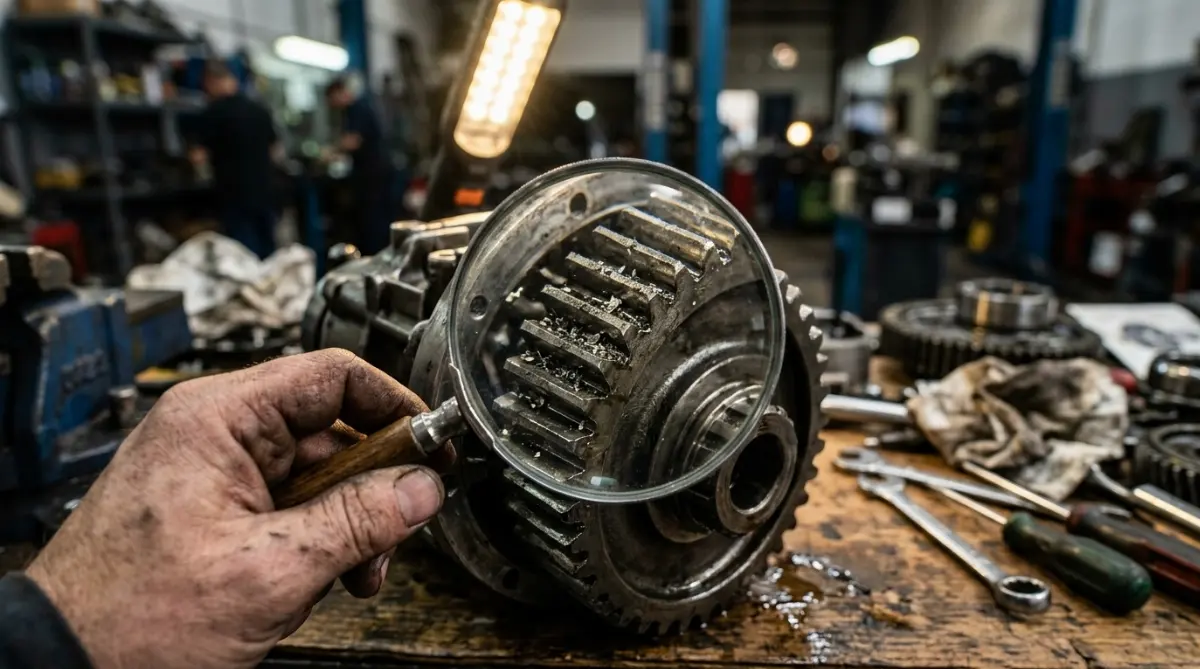
Professionals who regularly work with used driveline components understand that gearbox evaluation is about reducing uncertainty.
They also recognize the importance of understanding The Difference Between OEM and Aftermarket Car Parts, as the quality, compatibility, and long-term reliability of replacement components can influence both repair outcomes and overall vehicle performance.
No inspection can guarantee future performance.
However, a systematic approach significantly improves decision-making.
Experienced buyers typically combine:
- Visual inspection
- Mechanical testing
- Seller background checks
- Vehicle history review
- Compatibility verification
This broader perspective often leads to better purchasing outcomes than relying on any single factor.
Taking an extra hour to inspect a gearbox can potentially save days of labor and substantial repair costs later.
Conclusion
Understanding how to check second hand gearbox condition is one of the most valuable skills for anyone purchasing a used transmission.
While no inspection can eliminate every risk, careful evaluation can help identify major warning signs before money changes hands. Looking for leaks, checking shaft movement, inspecting oil condition, verifying compatibility, and reviewing vehicle history all contribute to a more informed decision.
The goal is not to find a perfect gearbox, it is to find one with a history and condition that makes sense for your vehicle and budget.
If you're unsure about a gearbox's condition, seeking advice from an experienced mechanic or transmission specialist can provide additional confidence before purchase.
FAQs
1. How can I tell if a used gearbox is good?
Inspect the casing, check for leaks, rotate the shafts, test gear engagement, and review the donor vehicle's history whenever possible.
2. Is mileage important when buying a second-hand gearbox?
Yes, but mileage should be considered alongside maintenance history, driving conditions, and overall gearbox condition.
3. What does a grinding noise from a gearbox usually mean?
Grinding often indicates worn synchronizers, damaged gears, bearing problems, or lubrication issues and should be investigated carefully.
4. Can a gearbox look good but still be faulty?
Yes. Many internal gearbox problems cannot be identified through appearance alone, which is why mechanical inspection is important.
5. Should I buy a used gearbox without a warranty?
A warranty can provide additional peace of mind, but buyers should still perform their own inspection and understand the warranty terms before purchasing.