The Difference Between OEM and Aftermarket Car Parts

When your vehicle needs repairs or replacement parts, one of the biggest decisions you’ll face is whether to choose OEM or aftermarket car parts. Many car owners across Australia struggle to understand the real difference between these options, especially when comparing quality, pricing, compatibility, and long-term value.
Whether you drive a Toyota Corolla, Ford Ranger, Mazda 3, Hyundai i30, or a rare vintage vehicle, choosing the right replacement part can directly affect your vehicle’s performance, safety, and maintenance costs.
Understanding the difference between genuine vs. aftermarket parts helps you make smarter decisions when sourcing engines, transmissions, tail lights, bumpers, suspension components, electrical systems, and other replacement parts.
Platforms like DoYouHaveThis.com.au make this process easier by connecting buyers with auto wreckers, dismantlers, and suppliers across Australia. Instead of contacting multiple wreckers individually, vehicle owners can post a request and receive quotes from suppliers offering OEM, used, and aftermarket auto parts.
In this guide, we’ll break down:
- What OEM car parts are
- What aftermarket parts are
- The pros and cons of each
- Key differences in quality and price
- When to choose OEM or aftermarket components
- How to find the right parts in Australia
What Are OEM Car Parts?
OEM stands for “Original Equipment Manufacturer.”
OEM parts are made either by the vehicle manufacturer itself or by an approved supplier that produces components specifically for that vehicle brand. These are the same original car components that were installed when the car was first built.
For example:
- A genuine Toyota part is designed specifically for Toyota vehicles
- A Ford OEM component is built to Ford specifications
- Mazda OEM spare parts are manufactured to fit Mazda models precisely
OEM parts are designed to match:
- Factory specifications
- Original dimensions
- Vehicle safety standards
- Manufacturer performance requirements
This means they generally provide an exact fit without modification.
Many drivers choose OEM parts because they want the same reliability and performance as the original factory-installed component.
What Are Aftermarket Car Parts?
Aftermarket auto parts are replacement components made by third-party manufacturers rather than the original vehicle brand.
These companies produce compatible parts for multiple makes and models, often at lower prices than OEM alternatives.
Aftermarket parts can include:
- Brake pads
- Headlights
- Tail lights
- Suspension systems
- Radiators
- Air filters
- Fuel pumps
- Mirrors
- Body panels
The aftermarket industry is extremely large in Australia because it offers buyers more affordable repair options and broader product variety.
Some aftermarket manufacturers focus on:
- Budget replacements
- Performance upgrades
- Heavy-duty components
- Custom styling
- Off-road modifications
Quality can vary significantly between brands, which is why researching suppliers is important before purchasing.
OEM vs. Aftermarket Parts: What’s the Main Difference?
The biggest difference between OEM and aftermarket parts comes down to:
- Manufacturer origin
- Pricing
- Quality consistency
- Availability
- Brand certification
OEM parts are officially approved by the vehicle manufacturer, while aftermarket parts are independently produced by third-party companies.
A proper car parts comparison should consider more than just price. Vehicle owners should evaluate the following:
- Durability
- Warranty coverage
- Compatibility
- Installation requirements
- Vehicle age
- Repair purpose
In many cases, both options can work well depending on your goals and budget.
Advantages of OEM Car Parts
1. Exact Vehicle Compatibility
One of the biggest advantages of OEM spare parts is guaranteed compatibility.
Because they are built to original factory specifications, installation is usually straightforward and precise.
This reduces:
- Fitment issues
- Installation complications
- Compatibility risks
For newer vehicles, this can be especially important.
2. Reliable Quality Standards
OEM components follow strict manufacturing standards set by the vehicle brand.
That consistency gives buyers confidence in:
- Material quality
- Safety
- Reliability
- Longevity
Drivers who prioritize factory-grade performance often prefer OEM components for critical systems like.
- Engines
- Gearboxes
- Electrical systems
- Safety components
3. Manufacturer Warranty Support
Many OEM parts include warranty protection backed by the vehicle manufacturer or authorized supplier.
This may provide additional peace of mind for car owners dealing with expensive repairs.
4. Better Resale Value
Using genuine parts may help preserve resale value, especially for:
- Luxury vehicles
- Newer cars
- Collector vehicles
- Rare models
Buyers often view original car components as a sign of proper maintenance.
Disadvantages of OEM Car Parts
1. Higher Cost
OEM parts are usually more expensive than aftermarket alternatives.
In some cases, the price difference can be significant, especially for:
- Body panels
- Electronics
- Engine components
- Dealership-supplied parts
2. Limited Availability
Some OEM parts may be difficult to source, especially for:
- Older vehicles
- Imported models
- Discontinued cars
- Vintage vehicles
This is where online marketplaces connecting multiple wreckers and suppliers become valuable.
3. Fewer Product Choices
OEM parts generally provide standard factory specifications without customisation options.
Drivers seeking enhanced performance or modified aesthetics may prefer aftermarket solutions.
Advantages of Aftermarket Auto Parts
1. Lower Prices
One of the main reasons drivers choose aftermarket auto parts is affordability.
Third-party manufacturers often produce replacement parts at much lower costs than dealership OEM pricing.
This helps reduce repair expenses, particularly for older vehicles where maintaining strict OEM standards may not be necessary.
2. Wider Availability
Aftermarket parts are widely available across Australia.
Because multiple manufacturers produce compatible components, buyers often have more sourcing options and faster availability.
This can be especially useful when searching for:
- Common replacement parts
- Fast-moving inventory
- Older vehicle components
3. Greater Product Variety
The aftermarket industry offers a huge range of:
- Budget-friendly replacements
- Performance upgrades
- Off-road accessories
- Custom styling parts
Drivers can choose components based on:
- Performance goals
- Budget
- Driving conditions
- Vehicle modifications
4. Potential Performance Improvements
Some aftermarket manufacturers produce upgraded parts that outperform OEM versions.
Examples include:
- Heavy-duty suspension kits
- High-performance brake systems
- Enhanced cooling systems
- Off-road upgrades
For enthusiasts, aftermarket options may provide better flexibility than standard OEM components.
Disadvantages of Aftermarket Parts
1. Quality Can Vary
Not all aftermarket parts are equal.
Some manufacturers produce high-quality components, while others focus purely on low-cost production.
Poor-quality aftermarket parts may lead to:
- Premature wear
- Installation problems
- Reduced reliability
- Safety concerns
Researching trusted suppliers is essential.
2. Fitment Issues
Unlike OEM components, some aftermarket parts may not fit perfectly.
This can create:
- Installation delays
- Additional labour costs
- Minor compatibility issues
The risk is generally higher with low-cost or unverified suppliers.
3. Warranty Limitations
Some aftermarket parts offer limited warranties compared to OEM products.
Warranty coverage can vary widely depending on the manufacturer.
Genuine vs Aftermarket Parts: Which Is Better?
There is no universal answer because the right choice depends on:
- Vehicle age
- Budget
- Repair urgency
- Driving habits
- Long-term ownership plans
Here’s a simple breakdown:
Choose OEM Parts If:
- You own a newer vehicle
- You want factory specifications
- Reliability is your top priority
- The repair involves critical safety systems
- You plan to preserve resale value
Choose Aftermarket Parts If:
- You want lower repair costs
- Your vehicle is older
- You need faster availability
- You want upgraded performance options
- You’re comfortable comparing suppliers
For many Australian drivers, a balanced approach works best. Some repairs may justify OEM parts, while others can be handled effectively using quality aftermarket alternatives.
Used OEM Parts vs New Aftermarket Parts
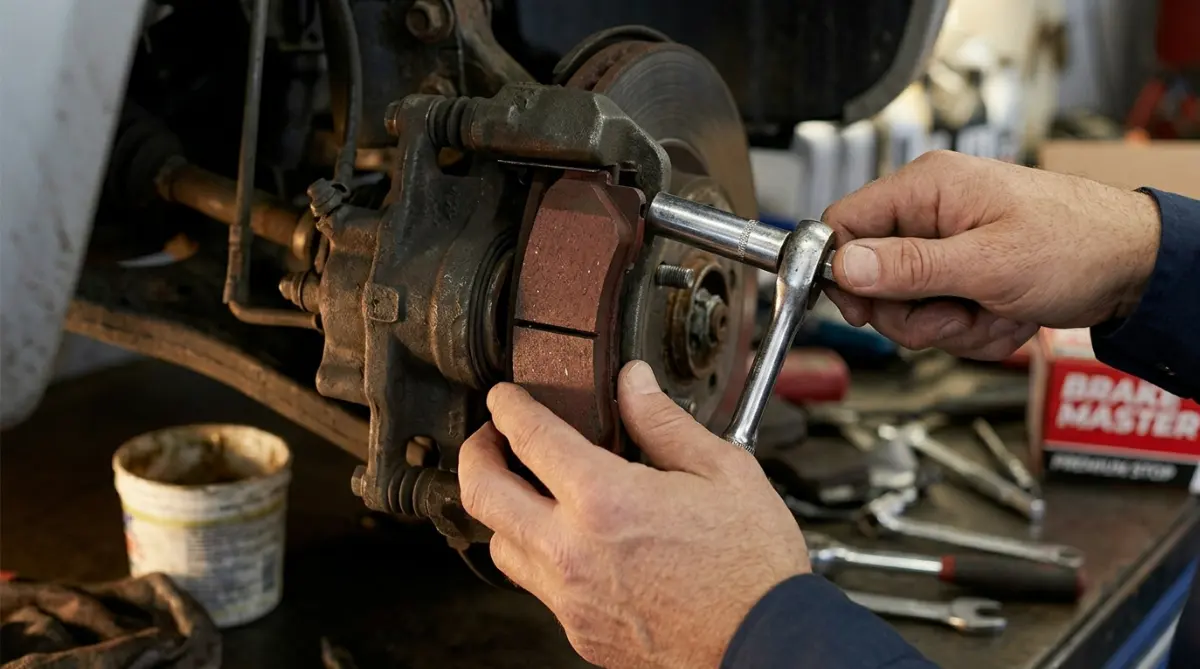
Another common decision involves choosing between:
- Used OEM components from wreckers
- Brand-new aftermarket replacements
Used OEM parts can provide:
- Original factory quality
- Lower pricing
- Better compatibility
This is especially useful for:
- Body panels
- Mirrors
- Tail lights
- Interior components
- Rare vehicle parts
Meanwhile, new aftermarket parts may offer the following:
- Fresh manufacturing
- Updated designs
- Warranty protection
- Improved availability
Platforms like DoYouHaveThis.com.au help buyers compare both options by receiving quotes from multiple sellers nationwide.
How to Choose the Right Car Parts
Before purchasing replacement parts, consider the following:
Verify Vehicle Details
Always provide accurate information, including:
- Make
- Model
- Year
- VIN number
- Engine type
This helps suppliers identify compatible components quickly.
Compare Multiple Quotes
Comparing suppliers can help you evaluate:
- Price
- Shipping costs
- Condition
- Warranty terms
- Part availability
A request-based marketplace simplifies this process by allowing sellers to compete with offers.
Research Supplier Reputation
Choose suppliers with:
- Positive reviews
- Clear communication
- Reliable shipping
- Quality guarantees
Experienced wreckers and dismantlers often provide valuable guidance when sourcing rare or discontinued parts.
Understand Your Priorities
Some drivers prioritise:
- Lowest cost
- OEM reliability
- Fast delivery
- Long-term durability
- Performance upgrades
Your priorities should guide your final decision.
The Growing Demand for Online Car Parts Marketplaces
Australia’s online car parts industry continues to grow as buyers seek more convenient ways to source replacement components.
Traditional methods often required contacting multiple wreckers manually, which consumed significant time and effort.
Modern request-driven marketplaces simplify the process by allowing buyers to:
- Post part requests
- Receive supplier quotes
- Compare offers
- Arrange nationwide delivery
This approach improves transparency and makes it easier to locate:
- Rare parts
- Used OEM components
- Affordable aftermarket alternatives
For suppliers and auto wreckers, these platforms also create opportunities to:
- Sell inventory faster
- Reach nationwide customers
- Expand beyond local markets
Final Thoughts
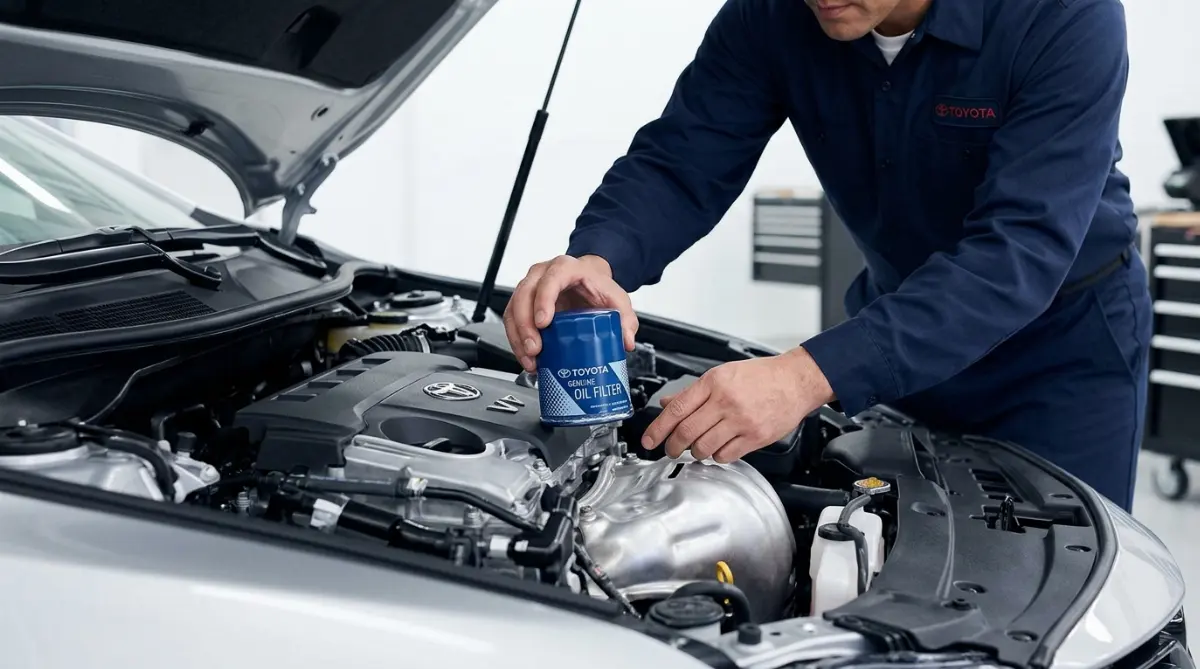
Understanding the difference between OEM and aftermarket car parts is essential for making informed repair decisions.
OEM components offer factory-grade reliability, precise compatibility, and consistent quality standards. Meanwhile, aftermarket auto parts provide affordability, wider availability, and greater product variety.
The best option depends on your vehicle, budget, and repair goals.
For Australian drivers searching for engines, gearboxes, body panels, electrical components, or rare replacement parts, platforms like DoYouHaveThis.com.au simplify the process by connecting buyers directly with suppliers, wreckers, and dismantlers across the country.
Whether you choose OEM spare parts or aftermarket replacements, comparing quotes and sourcing from trusted suppliers can help you save time, reduce costs, and keep your vehicle running smoothly.
FAQs
1. What is the difference between OEM and aftermarket car parts?
OEM parts are made by the original manufacturer and match factory specifications, while aftermarket parts are produced by third-party companies and may vary in price and quality.
2. Are aftermarket car parts good quality?
Yes, many aftermarket auto parts are high quality, but standards vary by manufacturer. It’s important to choose trusted suppliers to ensure reliability and safety.
3. Are OEM parts better than aftermarket parts?
OEM parts offer guaranteed fit and consistent quality, while aftermarket parts are more affordable and widely available. The best choice depends on your budget and vehicle needs.
4. Why are OEM spare parts more expensive?
OEM spare parts cost more because they are made to strict manufacturer standards, include branding, and often come with warranty support.
5. Can I mix OEM and aftermarket parts in my car?
Yes, many car owners use a combination of both. Critical systems often use OEM parts, while non-essential components can be replaced with aftermarket alternatives.