Best Car Parts for DIY Car Repairs in Australia
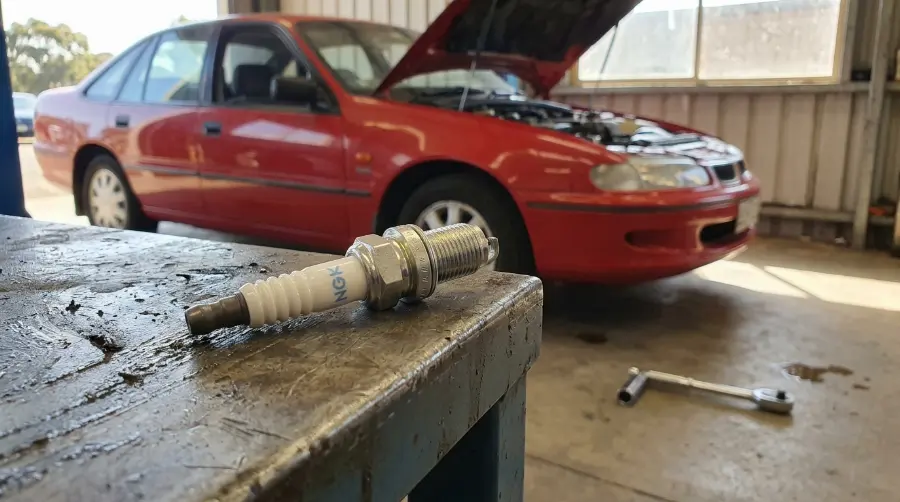
DIY car repair is becoming increasingly popular in Australia as more vehicle owners look to save money, understand their vehicles better, and handle basic maintenance without relying on workshops. Whether you drive a Toyota Corolla, Ford Ranger, Mazda 3, or Hyundai i30, having the right car maintenance parts and tools can make a major difference in both cost and convenience.
For many people, platforms like DoYouHaveThis.com.au make the process easier by connecting car owners with auto wreckers, dismantlers, and suppliers across Australia. Instead of searching multiple stores, you can simply request the part you need and compare offers from different sellers.
This guide covers the best car parts for DIY car repairs in Australia, what to prioritize, and how to choose the right components for safe and effective repairs.
Why DIY Car Repairs Are Growing in Australia
DIY repairs are increasing because:
- Professional workshop costs are rising
- Older vehicles require frequent maintenance
- Online access to spare parts has improved
- Car owners want more control over repair quality
However, successful DIY repair depends on using the right home car repair parts and understanding which jobs you can safely handle yourself.
Essential Car Parts for DIY Repairs
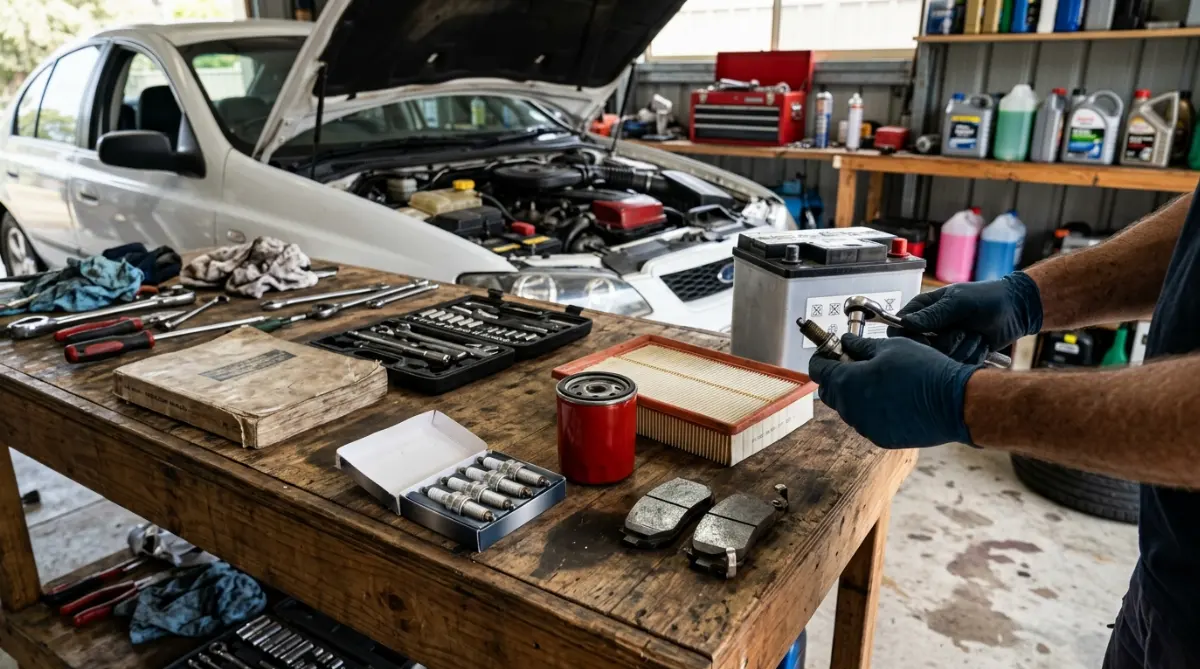
1. Oil Filters and Air Filters
These are the most common DIY replacement parts.
- Oil filters keep engine oil clean
- Air filters ensure proper airflow to the engine
Replacing them regularly improves:
- Engine performance
- Fuel efficiency
- Engine lifespan
These are core car maintenance parts every vehicle owner should know.
2. Brake Pads
Brake pads are one of the most important safety components.
Worn brake pads can cause:
- Longer stopping distance
- Brake noise
- Damage to rotors
Many DIY users replace brake pads themselves after learning basic installation steps. This is one of the most common spare parts for mechanics and DIY enthusiasts alike.
3. Spark Plugs
Spark plugs are essential for engine ignition.
Replacing them improves:
- Fuel efficiency
- Engine starting performance
- Smooth acceleration
They are inexpensive but highly effective auto repair tools and parts category items for DIY maintenance.
4. Headlights and Taillights
Lighting components are easy DIY replacements in most vehicles.
You may need replacements for the following:
- Burnt bulbs
- Cracked lenses
- Electrical faults
Good lighting improves road safety and is a simple upgrade for beginners in DIY auto repair guide practices.
5. Battery
Car batteries typically last 2–4 years.
Signs you need a replacement:
- Slow engine start
- Dim lights
- Electrical issues
Replacing a battery is a basic DIY task that requires minimal tools and provides immediate improvement.
6. Wiper Blades
Wiper blades are inexpensive but critical for visibility.
They should be replaced when:
- They leave streaks
- They make noise
- They stop cleaning properly
This is one of the easiest home car repair parts to replace.
7. Fuses and Relays
Fuses protect your car’s electrical system.
Common issues include:
- Power window failure
- Headlight malfunction
- Radio or dashboard issues
Replacing fuses is a beginner-level DIY repair that requires almost no tools.
Tools Every DIY Car Owner Should Have
Even with the right parts, you need proper tools for safe repairs.
Essential auto repair tools and parts include:
- Socket wrench set
- Screwdrivers (flat and Phillips)
- Jack and jack stands
- Multimeter (for electrical checks)
- Pliers set
- Torque wrench
These tools allow safe installation and removal of most basic car components.
How to Choose the Right Parts for DIY Repairs
1. Match Vehicle Specifications
Always check:
- Make
- Model
- Year
- Engine type
- VIN number
Incorrect parts can cause performance issues or damage.
2. Choose Between OEM and Aftermarket
For DIY repairs:
- OEM parts = better for critical systems
- Aftermarket parts = more affordable for basic maintenance
A balanced approach works best.
3. Compare Suppliers
Instead of buying from a single source, compare:
- Pricing
- Warranty
- Availability
- Shipping time
Platforms like DoYouHaveThis.com.au help you receive multiple quotes from wreckers and suppliers across Australia.
4. Prioritise Safety Components
Never compromise on:
- Brakes
- Steering parts
- Engine components
These should always be high-quality, preferably OEM or trusted aftermarket brands.
Benefits of DIY Car Repairs
DIY maintenance offers several advantages:
- Lower repair costs
- Better understanding of your vehicle
- Faster repairs for simple issues
- Flexibility in choosing parts
However, complex repairs should still be handled by professionals.
Common Mistakes to Avoid
Many beginners make these mistakes:
- Buying incorrect parts without checking compatibility
- Ignoring torque specifications
- Using low-quality aftermarket components
- Attempting complex engine repairs without experience
Avoiding these mistakes improves safety and reduces long-term costs.
Final Thoughts
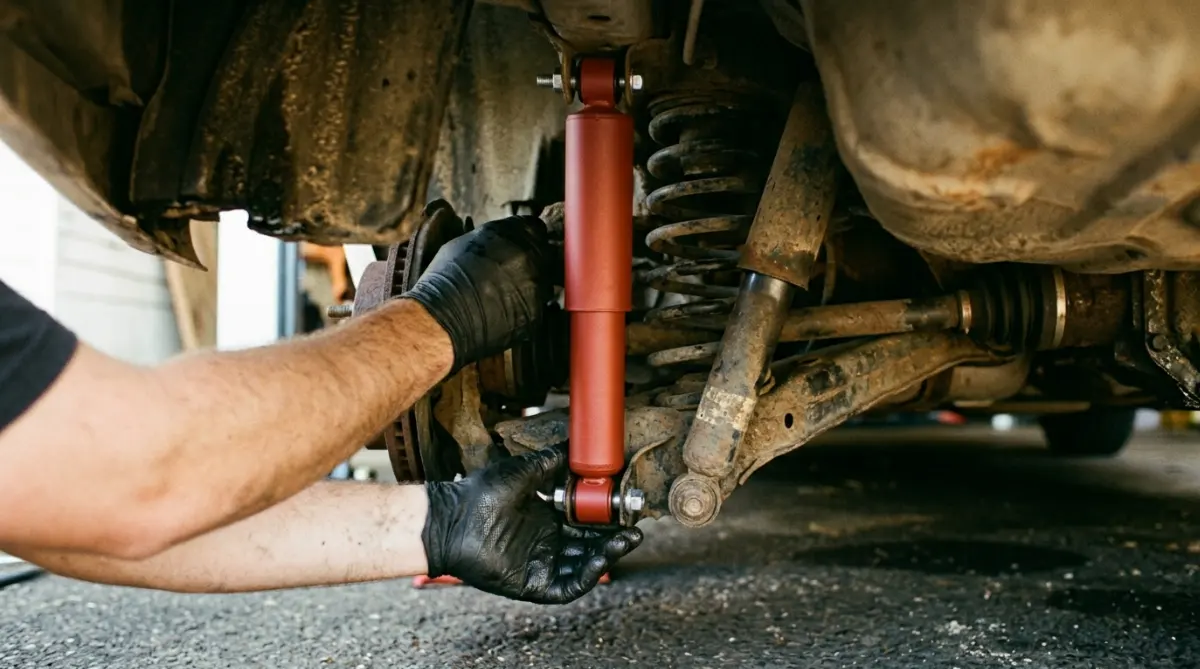
DIY car repairs in Australia are becoming more accessible thanks to better availability of car maintenance parts, improved online marketplaces, and growing awareness among vehicle owners.
By choosing the right home car repair parts, using proper tools, and understanding basic repair principles, you can save money and maintain your vehicle more effectively.
Platforms like DoYouHaveThis.com.au simplify the process by connecting you with suppliers and wreckers offering a wide range of spare parts for mechanics and DIY users across Australia.
Whether you’re replacing brake pads, filters, or lights, following a structured DIY auto repair guide ensures safer and more cost-effective vehicle maintenance.
FAQs
1. What are the best car parts for DIY repairs?
The best DIY car repair parts include filters, brake pads, spark plugs, batteries, wiper blades, and fuses, as they are easy to replace and maintain.
2. Can I use aftermarket parts for DIY car repairs?
Yes, aftermarket parts are commonly used for DIY repairs. They are more affordable, but quality varies, so choose trusted suppliers.
3. What tools do I need for basic DIY car maintenance?
Essential tools include a socket wrench set, screwdrivers, jack stands, torque wrench, pliers, and a multimeter for electrical checks.
4. Is DIY car repair safe for beginners?
Yes, simple tasks like changing filters, batteries, and wiper blades are safe. However, complex engine or brake work should be done carefully or by professionals.
5. Where can I buy car parts for DIY repairs in Australia?
You can buy parts from auto wreckers, suppliers, or online marketplaces like DoYouHaveThis.com.au, where you can compare multiple quotes easily.