Toyota HiLux Common Problems and Which Parts Fail First
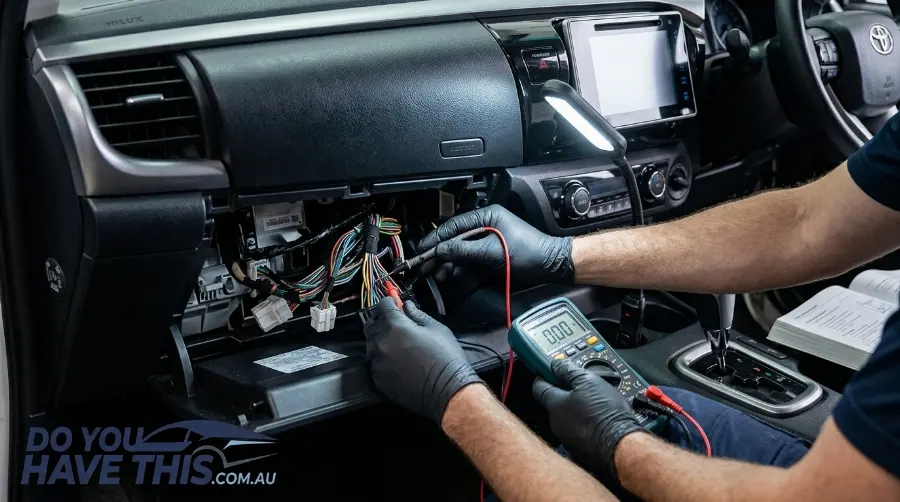
The Toyota HiLux has earned a reputation as one of Australia's most trusted utes. From city job sites to remote outback tracks, it has become a vehicle many owners depend on every day. Its popularity is built on durability, practicality, and a long history of strong performance in challenging conditions.
However, even vehicles known for reliability are not immune to wear and mechanical issues. One of the biggest misconceptions among buyers is that a HiLux never breaks down. While the model is generally dependable, every generation has its own weak points, maintenance requirements, and components that tend to wear out before others.
Understanding Toyota HiLux common problems Australia owners experience can help current owners maintain their vehicles properly and help used-vehicle buyers make informed decisions before purchasing. Resources such as a Car Electrical Parts Guide – Alternators, Starters & Sensors can also be useful when diagnosing electrical-related issues, helping owners better understand the components that commonly affect vehicle performance and reliability.
The goal is not to suggest the HiLux is unreliable. Rather, it is to understand what commonly goes wrong, why it happens, and which parts deserve extra attention as the vehicle ages.
Is the Toyota HiLux Reliable in Australia?
A common question among buyers is: is Toyota HiLux reliable in Australia?
Overall, the answer is yes.
The HiLux consistently ranks among Australia's most popular vehicles because it performs well across a wide range of environments. Owners regularly report high mileage, long service life, and strong durability when maintenance schedules are followed.
However, reliability does not mean perfection.
Vehicles used for towing, off-road driving, heavy commercial work, or long-distance travel naturally experience more wear than those driven under lighter conditions.
Even a reliable vehicle can develop recurring issues if maintenance is delayed or critical components begin to wear.
Understanding Normal Wear Versus Faults
Before discussing specific problems, it helps to separate normal wear from genuine faults.
Items such as:
- Brake pads
- Clutch components
- Suspension bushings
- Shock absorbers
- Tires
will naturally wear over time.
Known faults typically involve components that fail earlier than expected, recurring design-related concerns, or systems that require closer monitoring than owners may anticipate.
While mechanical issues often receive the most attention, resources such as a Bumpers, Bonnets & Panels Guide can also help owners understand common body-related components that may require repair or replacement after accidents, off-road use, or everyday wear and tear.
Many of the Toyota HiLux known faults Australia drivers discuss involve diesel emissions systems, suspension wear, injectors, and drivetrain components.
Diesel Injector Problems
One issue that appears regularly in owner discussions involves diesel fuel injectors.
Modern diesel engines rely on highly precise fuel delivery systems. Over time, injectors can wear, become clogged, or lose efficiency.
Common symptoms include:
- Rough idling
- Increased fuel consumption
- Hard starting
- Excessive smoke
- Reduced engine performance
Injector issues are not unique to Toyota, but they are among the more commonly discussed diesel-related concerns in higher-mileage HiLux models.
Early diagnosis is important because prolonged injector problems can sometimes contribute to additional engine stress.
DPF Issues in Diesel Models
Among the more widely discussed Toyota HiLux diesel problems Australia owners encounter are Diesel Particulate Filter (DPF) concerns.
When researching replacement components or comparing available parts through doyouhavethis.com.au, many owners also look for information about DPF-related maintenance and repairs to better understand potential costs and replacement options.
The DPF system helps reduce emissions by capturing soot produced during combustion.
Problems may occur when:
- Vehicles are driven primarily on short trips
- Regeneration cycles cannot complete properly
- Sensors malfunction
- Excessive soot accumulates
Potential symptoms include:
- Warning lights
- Reduced power
- Increased fuel consumption
- Frequent regeneration attempts
Many owners who regularly drive longer highway distances experience fewer DPF-related issues than those who primarily use their vehicles for short urban trips.
EGR System Carbon Build-Up
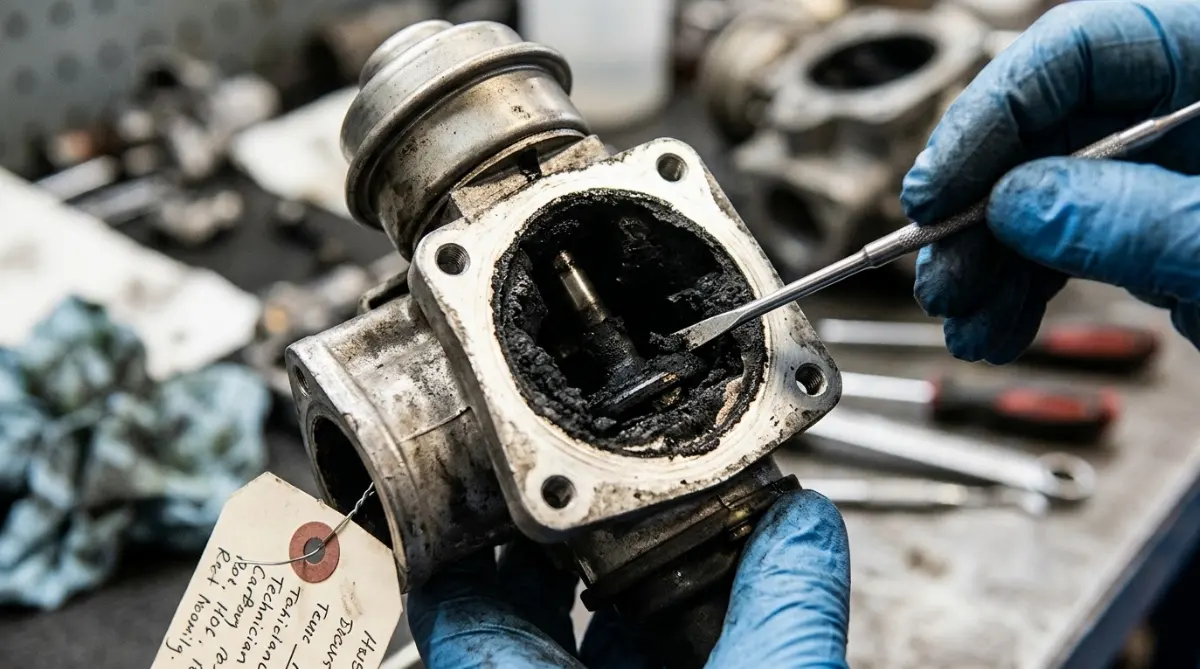
The Exhaust Gas Recirculation (EGR) system is another area that can develop issues over time.
The EGR system reduces emissions by redirecting a portion of exhaust gases back into the engine.
As mileage increases, carbon deposits may accumulate within:
- EGR valves
- Intake manifolds
- Associated passages
Symptoms may include:
- Reduced performance
- Rough running
- Increased fuel consumption
- Check engine warnings
Carbon buildup develops gradually and often becomes more noticeable as vehicles age.
Suspension Components Often Wear Early
Australian driving conditions can be tough on suspension systems.
Corrugated roads, construction sites, towing, and off-road use place significant stress on suspension components.
Common wear items include:
- Control arm bushings
- Ball joints
- Shock absorbers
- Sway bar links
Owners may notice:
- Clunking noises
- Uneven tire wear
- Reduced ride comfort
- Steering instability
Suspension wear is especially common in vehicles that regularly carry heavy loads.
Front Wheel Bearings
Wheel bearings are another component that can experience wear earlier in heavily used vehicles.
Warning signs include:
- Humming noises
- Grinding sounds
- Vibration
- Increased road noise
Because bearing problems often develop gradually, drivers sometimes become accustomed to the noise before recognizing a problem exists.
This can happen in both modern vehicles and those that rely on vintage spare parts, where age-related wear may develop slowly over time and become noticeable only after performance or drivability begins to decline.
Ignoring bearing wear can eventually affect safety and increase repair costs.
Clutch Wear in Manual HiLux Models
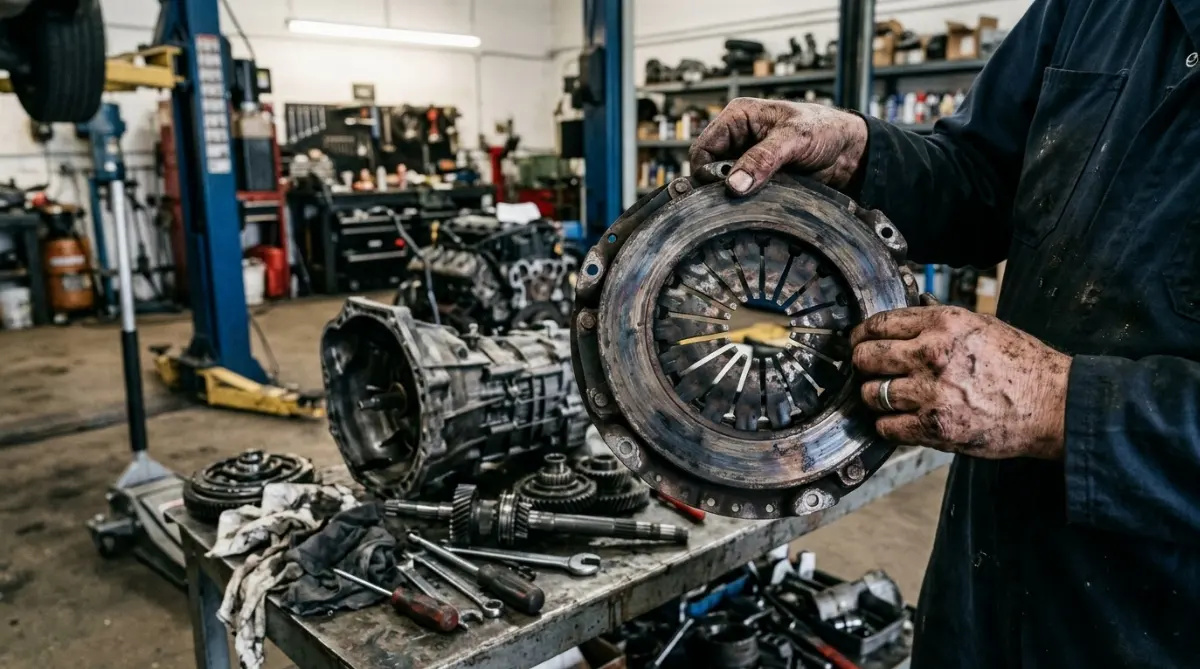
For manual transmission models, clutch wear is one of the more common long-term maintenance concerns.
Heavy towing, off-road driving, and frequent stop-start traffic can accelerate wear.
Potential signs include:
- Clutch slipping
- Difficulty shifting gears
- Burning odors
- Reduced acceleration
Clutch lifespan varies significantly depending on driving style and vehicle use.
Commercial vehicles often require clutch replacement sooner than privately used vehicles.
Turbocharger Concerns
Turbocharged diesel engines provide strong torque and fuel efficiency, but turbochargers operate under extreme conditions.
Over time, issues may develop involving:
- Oil supply
- Bearing wear
- Carbon deposits
- Boost leaks
Possible symptoms include:
- Loss of power
- Whistling noises
- Excessive exhaust smoke
- Engine warning lights
Regular oil changes play an important role in helping extend turbocharger life.
Common Toyota HiLux 1GD-FTV Problems Australia Owners Report
The 2.8-liter 1GD-FTV diesel engine has become one of Toyota's most widely used powerplants.
Although generally regarded as a strong engine, discussions surrounding Toyota HiLux 1GD FTV problems Australia often focus on:
- DPF concerns
- EGR carbon buildup
- Sensor-related faults
- Injector performance issues
It is important to note that many vehicles accumulate high mileage without experiencing major engine failures.
Most reported concerns involve supporting systems rather than catastrophic engine damage.
Cooling System Components
The cooling system deserves attention because overheating can create serious engine problems.
Components that may eventually require replacement include:
- Water pumps
- Thermostats
- Radiator hoses
- Coolant reservoirs
Warning signs include:
- Rising temperature readings
- Coolant leaks
- Sweet coolant odors
- Visible steam
Routine cooling system inspections help reduce the risk of unexpected breakdowns.
Battery and Charging System Problems
Modern HiLux models rely heavily on electronic systems.
A weak battery or charging issue can sometimes create symptoms that appear more serious than they actually are.
Drivers may notice:
- Slow starting
- Warning lights
- Electrical glitches
- Accessory malfunctions
Battery testing is often one of the simplest diagnostic steps when electrical issues arise.
What Goes Wrong With Toyota HiLux Most Often?
When owners ask, what goes wrong with Toyota HiLux, the answer depends largely on vehicle age and usage.
For many vehicles, the most frequently reported issues involve:
- Suspension wear
- Diesel emissions systems
- Injectors
- Wheel bearings
- Clutch components
- Cooling system parts
These are generally wear-related concerns rather than evidence of fundamental unreliability.
Most can be managed through routine maintenance and early intervention.
Common Mistakes Owners Make
Ignoring Small Warning Signs
Many major repairs begin as minor issues.
Small noises, warning lights, and performance changes should not be ignored.
Delaying Scheduled Maintenance
Skipping maintenance often increases long-term repair costs.
Oil changes, fluid inspections, and filter replacements remain essential.
Using Incorrect Fluids
Modern diesel engines rely on specific lubricants and fluids.
Using incorrect products can affect performance and component lifespan.
Assuming Reliability Means No Maintenance
The HiLux has a strong reputation, but even dependable vehicles require ongoing care.
Reliability improves when maintenance remains consistent.
Expert Perspective: Why Preventive Maintenance Matters
Experienced mechanics often emphasize that most expensive repairs are easier to prevent than fix.
Many common HiLux issues develop gradually.
Regular inspections can identify:
- Fluid leaks
- Suspension wear
- Injector performance changes
- Cooling system concerns
- Bearing noise
Addressing problems early often reduces repair costs and minimizes downtime.
Preventive maintenance is especially valuable for vehicles used in demanding Australian conditions.
How Buyers Can Evaluate a Used HiLux
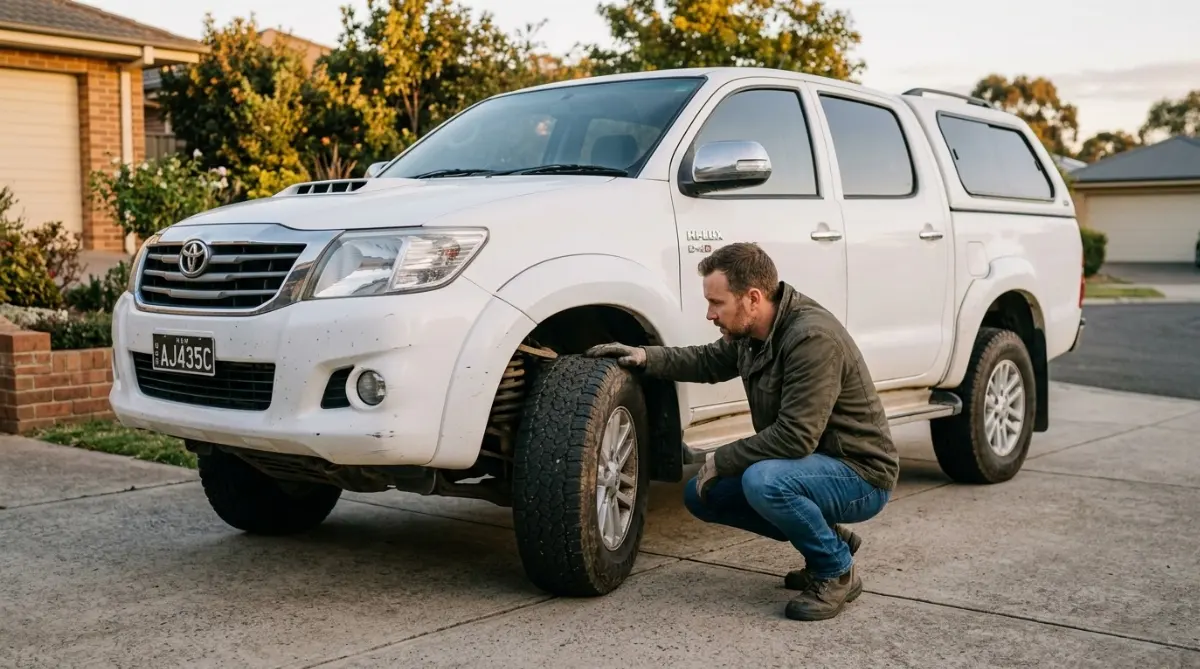
If you are considering a used HiLux, pay close attention to:
- Service history
- Maintenance records
- Suspension condition
- Engine performance
- DPF operation
- Cooling system health
- Evidence of towing or heavy commercial use
A vehicle with comprehensive service records is often a safer purchase than one with limited documentation.
This becomes even more important when dealing with older models, as Vintage Car Parts Are Hard to Find, and proper maintenance history can make a big difference in understanding long-term reliability and future repair needs.
Professional pre-purchase inspections can also provide valuable insight.
Conclusion
The HiLux remains one of Australia's most respected and capable utility vehicles. While discussions about Toyota HiLux common problems Australia may sound concerning, most issues involve predictable wear items and maintenance-related concerns rather than serious design flaws.
Understanding which parts commonly fail first from suspension components and wheel bearings to diesel emissions systems and injectors helps owners make better maintenance decisions and helps buyers evaluate used vehicles more confidently.
No vehicle is immune to wear, but informed owners are often better prepared to catch problems early and extend the life of their investment.
If you own a HiLux or are considering buying one, staying informed about common issues is one of the simplest ways to avoid unexpected surprises down the road.
FAQs
1. Is the Toyota HiLux reliable in Australia?
Yes. The HiLux is generally considered one of Australia's most reliable utes when maintained properly and serviced according to manufacturer recommendations.
2. What are the most common Toyota HiLux problems?
Common issues include DPF concerns, injector wear, suspension component wear, wheel bearing failures, EGR carbon buildup, and clutch wear in manual models.
3. Do Toyota HiLux diesel engines have problems?
Most diesel HiLux models perform reliably, but some owners report DPF-related issues, injector wear, and EGR system carbon buildup over time.
4. Which HiLux parts usually fail first?
Suspension bushings, shock absorbers, wheel bearings, injectors, and clutch components are among the parts that commonly require attention as mileage increases.
5. Should I buy a used Toyota HiLux?
A used HiLux can be an excellent purchase if it has a strong service history, has been maintained properly, and passes a professional inspection.