How Long Does a Used Engine Last After Replacement
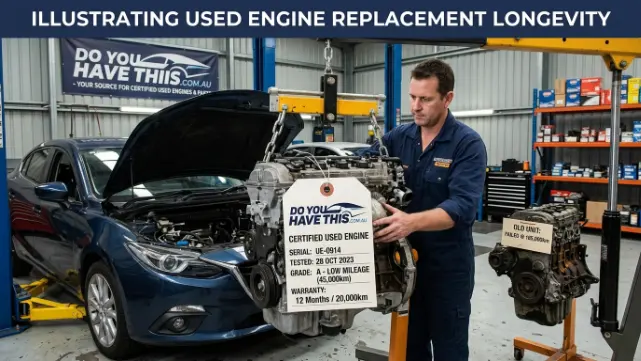
Replacing an engine is one of the biggest decisions a vehicle owner can make. Whether your original engine has failed, suffered serious damage, or simply reached the end of its service life, installing a used engine can often be a practical alternative to purchasing a new vehicle.
One of the first questions people ask is simple: how long does a used engine last after replacement?
The answer is not as straightforward as many expect. Some used engines provide years of reliable service and cover hundreds of thousands of additional kilometers, while others develop problems much sooner. The difference usually comes down to factors such as the engine's history, maintenance records, installation quality, and how the vehicle is driven afterward. This is also one reason car part numbers matter, as they help buyers verify the engine's specifications, compatibility, and replacement history before making a purchase.
Many people assume a used engine is already close to failure simply because it has previous mileage. In reality, modern engines are designed to last far longer than most drivers realize. A well-maintained used engine can continue operating reliably for many years when properly installed and cared for.
Understanding what affects engine longevity can help you make informed decisions and set realistic expectations after an engine replacement.
What Is Considered a Used Engine?
A used engine is an engine removed from another vehicle and installed into a different one. These engines typically come from:
- Accident-damaged vehicles
- Insurance write-offs
- Salvage vehicles
- Dismantled cars
- Fleet vehicles being retired
Unlike rebuilt or reconditioned engines, a used engine is generally sold in its existing condition without being completely disassembled and rebuilt.
The engine may have relatively low mileage or significant mileage depending on the source vehicle.
This distinction matters because lifespan expectations can vary considerably.
So, How Long Does a Used Engine Last?
The honest answer is that there is no universal number.
A used engine with excellent maintenance history and moderate mileage may last another 100,000 to 200,000 kilometers or more after installation.
On the other hand, an engine with poor maintenance history may experience issues much sooner.
When discussing used engine lifespan kilometres Australia, many automotive professionals focus less on the engine's current mileage and more on its overall condition. This is especially important when comparing options across online auto parts marketplaces, where engines with similar mileage may have very different maintenance histories and levels of wear. .
For example:
- A well-maintained engine with 180,000 km may be a better choice than a neglected engine with 100,000 km.
- Regular servicing often matters more than the odometer reading alone.
- Highway-driven vehicles sometimes show less wear than vehicles used primarily for short urban trips.
The remaining lifespan depends largely on how the engine was treated before replacement.
Why Modern Engines Often Last Longer Than Expected
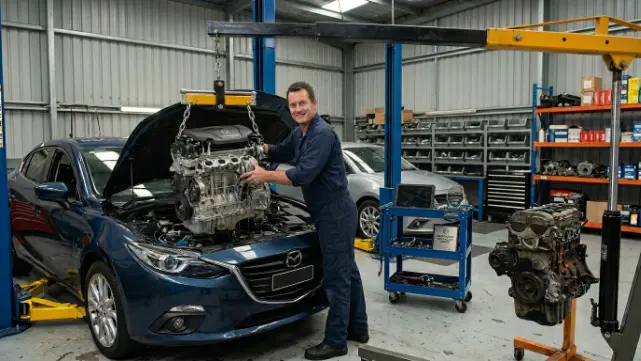
Modern automotive engines are engineered for durability.
Advances in manufacturing, lubrication systems, metallurgy, fuel management, and engine controls have significantly increased engine longevity over the past few decades.
Many modern gasoline engines routinely exceed:
- 250,000 km
- 300,000 km
- 400,000 km
when properly maintained.
Diesel engines frequently achieve even higher mileage under favorable conditions.
This means a used engine that has already accumulated substantial mileage may still have considerable service life remaining.
The key question is not simply how many kilometers the engine has traveled, but how those kilometers were accumulated.
What Affects How Long a Used Engine Lasts?
When evaluating what affects how long a used engine lasts, several factors play important roles.
Previous Maintenance History
Maintenance is often the single most important factor.
Regular oil changes help reduce internal wear and prevent sludge buildup.
An engine that received consistent servicing throughout its life is usually a safer choice than one with incomplete maintenance records.
Look for evidence of:
- Routine oil changes
- Cooling system maintenance
- Timing belt replacement (where applicable)
- Air filter changes
- Manufacturer-recommended servicing
A documented service history often provides valuable insight into an engine's condition.
Mileage and Age
Mileage matters, but it should not be considered in isolation.
Two engines with identical mileage may have very different levels of wear.
Factors influencing wear include:
- Driving style
- Operating environment
- Maintenance quality
- Load conditions
Age can also affect seals, gaskets, hoses, and sensors even if mileage remains relatively low.
Installation Quality
Even an excellent used engine can develop problems if installed incorrectly.
Professional installation helps ensure:
- Proper alignment
- Correct fluid levels
- Accurate sensor connections
- Cooling system functionality
- Electrical system compatibility
Many post-installation problems are related to installation errors rather than the engine itself.
Driving Habits After Installation
The way a vehicle is driven after replacement continues to affect engine life.
Habits that generally support longer engine life include:
- Avoiding excessive high-RPM operation
- Allowing proper warm-up time
- Following maintenance schedules
- Addressing warning lights promptly
- Preventing overheating
Consistent care after installation can significantly extend service life.
Used Engine vs Reconditioned Engine
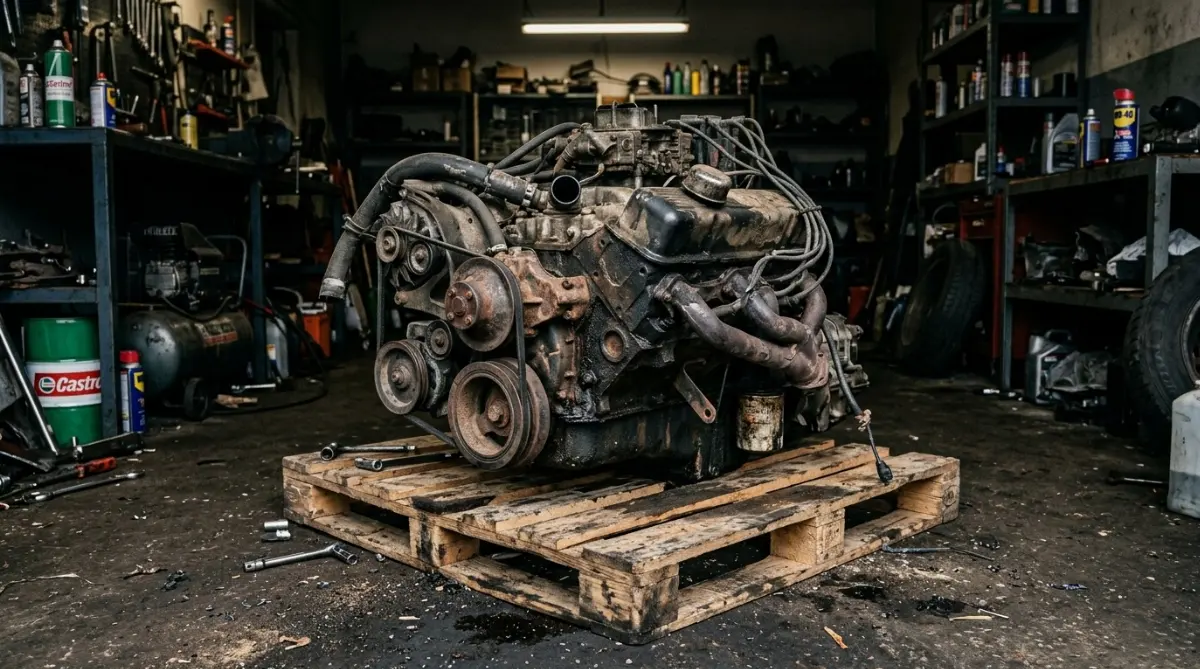
Vehicle owners frequently compare used engines with reconditioned engines.
This naturally leads to another common question: how long does a reconditioned engine last?
A reconditioned engine has typically been disassembled, inspected, repaired, and rebuilt using new or refurbished components where necessary. Unlike many parts sourced through a second hand car parts marketplace, a reconditioned engine undergoes a structured rebuilding process to restore performance and reliability.
Because many wear components are replaced during rebuilding, a properly reconditioned engine may provide a service life similar to a newer engine.
However, quality varies depending on:
- Rebuilding standards
- Components used
- Workmanship
- Testing procedures
A high-quality used engine can sometimes outperform a poorly rebuilt engine.
The condition and history of the individual engine remain more important than the label attached to it.
How Long Does an Engine Replacement Last?
Another frequently asked question is how long does an engine replacement last overall.
The answer depends largely on the type of replacement engine installed.
A replacement engine can potentially last:
- Several years
- Tens of thousands of kilometers
- Hundreds of thousands of kilometers
if maintenance remains consistent.
Many drivers assume replacement engines have shorter lifespans than factory-installed engines.
In reality, a replacement engine that is properly matched, professionally installed, and carefully maintained can provide long-term reliability.
The replacement itself does not automatically reduce longevity.
Warning Signs That a Used Engine May Have a Shorter Remaining Life
While no prediction is perfect, certain warning signs may indicate increased risk.
Excessive Oil Consumption
Some oil consumption is normal in older engines.
However, unusually high oil usage may suggest internal wear.
Persistent Smoke
Blue, white, or excessive black exhaust smoke can indicate underlying issues.
Knocking or Tapping Sounds
Internal engine noises may point toward wear in bearings, valves, or other critical components.
Poor Compression
Low compression readings can suggest wear within cylinders, valves, or piston rings.
Overheating History
Engines that have repeatedly overheated may have hidden damage that affects long-term durability.
A thorough inspection before purchase helps reduce these risks.
Common Misunderstandings About Used Engine Life
Several misconceptions continue to influence purchasing decisions.
Myth: High Mileage Always Means a Bad Engine
Mileage tells only part of the story.
A carefully maintained engine with higher mileage can outperform a neglected low-mileage engine. This is often evident when parts are sourced through processes such as acquiring end-of-life vehicles, where a well-maintained donor vehicle may provide a more reliable engine than one that appears newer but has been poorly cared for
Myth: All Used Engines Are Near Failure
Many donor vehicles are dismantled because of accidents rather than mechanical problems.
Their engines may still be in good operating condition.
Myth: Replacement Engines Never Last Long
When sourced responsibly and maintained correctly, replacement engines often provide years of reliable service.
Myth: A Reconditioned Engine Is Always Better
The quality of the rebuilding process matters significantly.
Not all reconditioned engines are equal.
Practical Tips to Extend the Life of a Used Engine
After installation, a few simple practices can make a meaningful difference.
Follow Oil Change Intervals
Fresh oil remains one of the most effective ways to reduce internal wear.
Monitor Cooling System Health
Overheating is one of the leading causes of engine damage.
Regularly inspect coolant levels and cooling components.
Address Small Problems Early
Minor leaks, unusual sounds, or warning lights can become expensive repairs if ignored.
Use Quality Fluids and Filters
Following manufacturer recommendations helps maintain engine performance and reliability.
Drive Smoothly
Aggressive acceleration and repeated high-load driving can increase wear over time.
Expert Perspective: Why Engine History Matters More Than Mileage
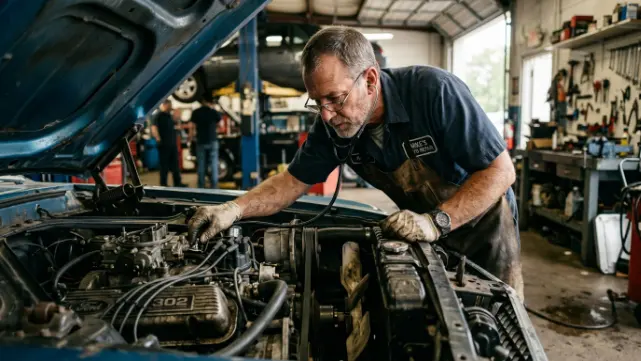
Experienced mechanics often place greater emphasis on engine history than on mileage alone.
An engine's service record provides valuable insight into:
- Maintenance consistency
- Previous repairs
- Ownership habits
- Overall care
This is why reputable suppliers frequently provide information about donor vehicles whenever possible.
Knowing where the engine came from and how it was maintained often helps predict future reliability more accurately than mileage figures alone.
Conclusion
So, how long does a used engine last after replacement?
The most accurate answer is that it depends on the engine's condition, maintenance history, installation quality, and ongoing care.
Many used engines continue providing reliable service for well over 100,000 additional kilometers, while some may last much longer. Modern engines are designed for durability, and a well-maintained used engine can remain dependable for years after installation. The same principle applies when sourcing other vehicle components whether you're replacing an engine or simply looking for floor carpet for Honda Jazz, choosing parts that match your vehicle's specifications is essential for long-term satisfaction and performance.
Rather than focusing solely on mileage, consider the engine's overall history, inspection results, and maintenance record. These factors usually provide a much clearer picture of expected longevity.
If you're considering an engine replacement, taking time to understand the engine's background and following good maintenance practices afterward can help maximize reliability and long-term value.
FAQs
How many kilometers can a used engine last after replacement?
Many used engines can provide an additional 100,000–200,000 kilometers or more, depending on maintenance history, condition, and driving habits.
Is buying a used engine worth it?
A quality used engine can be a cost-effective alternative to replacing a vehicle, particularly when sourced from a reputable supplier and professionally installed.
What is better: a used engine or a reconditioned engine?
Neither is automatically better. The quality, condition, history, and workmanship behind the engine matter more than the category itself.
How can I tell if a used engine is in good condition?
Review service records, inspect for leaks or damage, check compression if possible, and obtain information about the donor vehicle.
Does mileage determine how long a used engine will last?
Not entirely. Maintenance history, driving conditions, and overall engine health are often stronger indicators of remaining lifespan than mileage alone.