How Auto Wreckers Source Quality Used Car Parts
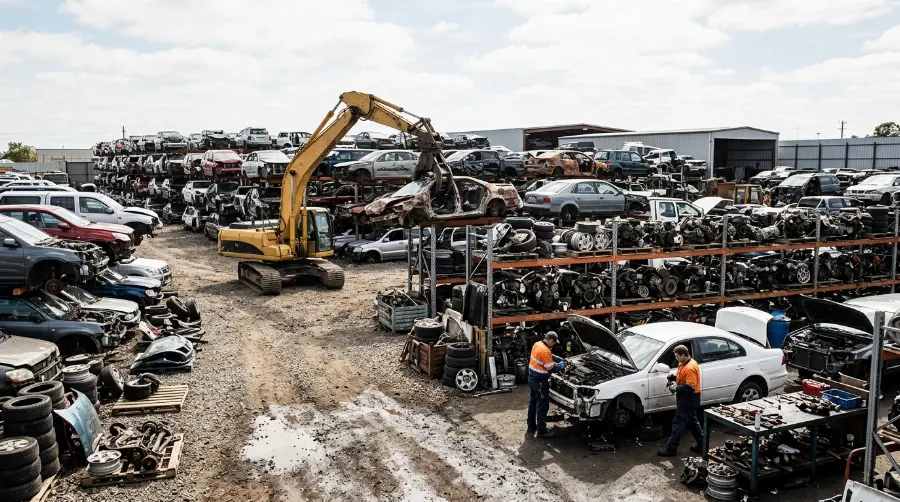
Auto wreckers play a critical role in the automotive ecosystem by supplying affordable and reliable replacement components to car owners, mechanics, and workshops. Instead of manufacturing new parts, they focus on recovering, testing, and reselling usable components from end-of-life vehicles.
Across Australia, demand for dismantled car parts and recycled vehicle components continues to grow as drivers look for cost-effective alternatives to OEM and aftermarket parts. Platforms like DoYouHaveThis.com.au make this process more efficient by connecting buyers directly with wreckers, dismantlers, and suppliers through a request-based system.
This guide explains how auto wreckers source, inspect, and supply quality used spare parts while maintaining reliability and safety standards.
What Do Auto Wreckers Do?
Auto wreckers purchase damaged, old, or unwanted vehicles and dismantle them for reusable parts. These vehicles are often:
- Accident-damaged cars
- End-of-life vehicles
- Written-off insurance vehicles
- Old or discontinued models
Instead of letting the entire vehicle go to waste, wreckers recover usable components and reintroduce them into the market.
This process supports:
- Affordable repairs
- Recycling and sustainability
- Reduced environmental waste
- Increased parts availability
Step 1: Acquiring End-of-Life Vehicles
The sourcing process begins with purchasing vehicles from the following:
1. Insurance Auctions
Vehicles declared a total loss by insurance companies are bought at auction by wreckers.
2. Private Sellers
Car owners sell old or non-functional vehicles directly to dismantlers.
3. Fleet Vehicles
Companies selling retired fleet cars often provide a bulk supply of dismantled auto parts.
These vehicles form the primary source of wrecked car parts supply in Australia.
Step 2: Initial Vehicle Assessment
Before dismantling, wreckers inspect the vehicle to determine:
- Which parts are reusable
- Which components are damaged
- Potential resale value
Key systems evaluated include:
- Engine and transmission
- Electrical systems
- Suspension components
- Body panels
- Interior parts
This helps identify high-value recycled vehicle components early in the process.
Step 3: Dismantling the Vehicle
Once the assessment is complete, trained technicians carefully dismantle the vehicle.
Commonly removed parts include:
- Engines
- Gearboxes
- Alternators
- Starter motors
- Doors and panels
- Headlights and taillights
- Suspension systems
Proper dismantling ensures parts are not damaged during removal.
Step 4: Cleaning and Testing Parts
Quality control is a crucial step in used spare parts sourcing.
After removal, parts are
- Cleaned thoroughly
- Inspected for damage
- Tested for functionality
For example:
- Engines are compression-tested
- Electrical parts are bench-tested
- Suspension parts are checked for wear and cracks
Only parts that meet quality standards are approved for resale.
Step 5: Cataloguing and Inventory Management
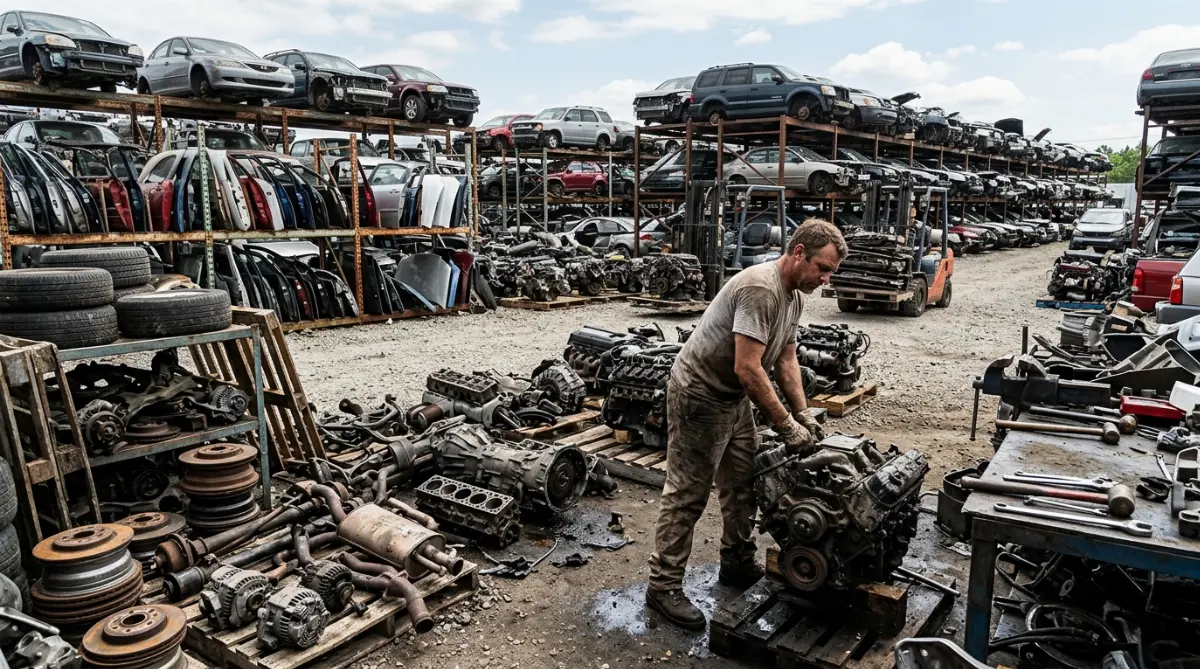
Approved dismantled car parts are then the following:
- Tagged with part numbers
- Categorised by make and model
- Stored in warehouses or yards
Modern wreckers often use digital systems to track inventory, making it easier to match customer requests quickly.
This improves:
- Search speed
- Accuracy in matching parts
- Availability tracking
Step 6: Selling to Customers and Workshops
Once cataloged, parts are sold through the following:
1. Direct Sales
Customers visit wrecking yards or call directly.
2. Online Marketplaces
Platforms like DoYouHaveThis.com.au allow buyers to:
- Post part requests
- Receive multiple quotes
- Compare wrecked car parts supply offers nationwide
3. Workshop Partnerships
Mechanics often build relationships with wreckers for a regular supply of affordable components.
Why Used Car Parts Are Reliable
Many people assume used parts are low quality, but properly sourced and tested components can be highly reliable.
Key advantages:
- Original OEM manufacturing quality
- Lower cost compared to new parts
- Availability for older or rare vehicles
- Environmentally sustainable option
In many cases, recycled vehicle components perform just as well as new aftermarket alternatives.
Quality Control in Auto Wrecking
Reputable wreckers follow strict quality standards:
Inspection checks include:
- Structural integrity
- Wear and tear assessment
- Electrical functionality
- Fluid leakage checks (for engines and gearboxes)
Only parts that pass inspection are sold, ensuring reliability for end users.
Most Commonly Sourced Used Parts
Some of the most in-demand dismantled auto parts include:
- Engines and transmissions
- Alternators and starters
- Body panels (doors, bumpers, bonnets)
- Headlights and taillights
- Suspension components
- Interior trims and seats
These parts are popular due to high replacement costs in OEM alternatives.
Benefits of Buying from Auto Wreckers
1. Cost Savings
Used parts are significantly cheaper than new OEM components.
2. Availability of Rare Parts
Older or discontinued vehicle models often rely on wreckers for sourcing.
3. Environmental Benefits
Recycling reduces landfill waste and supports sustainability.
4. Quick Access
Wreckers often have ready stock of commonly needed parts.
Challenges in Used Parts Sourcing
Despite advantages, there are some challenges:
- Variable part condition
- Limited warranty compared to OEM parts
- Availability depends on vehicle stock
- Need for careful compatibility checks
This is why sourcing through trusted platforms or verified wreckers is important.
Role of Online Marketplaces in Wrecking Industry
Digital platforms have transformed how used spare parts sourcing works.
Instead of manually contacting multiple wreckers, buyers can:
- Submit part requirements
- Receive competitive offers
- Compare availability instantly
- Access nationwide inventory
Platforms like DoYouHaveThis.com.au streamline this entire process, making it easier for both buyers and suppliers to connect efficiently.
Final Thoughts
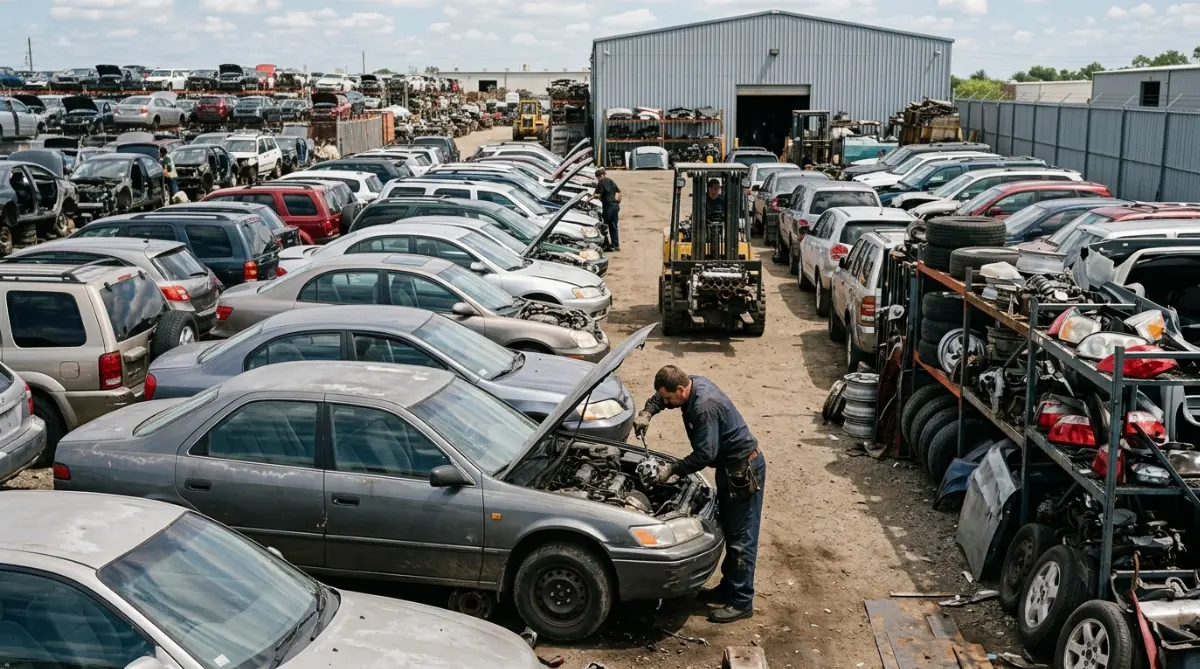
Auto wreckers play a vital role in supplying affordable and reliable dismantled car parts across Australia. Through careful sourcing, dismantling, testing, and cataloguing, they ensure that recycled vehicle components remain a practical alternative to new parts.
By understanding how wrecked car parts supply chains work, car owners and mechanics can make smarter decisions, reduce repair costs, and support sustainable automotive practices.
With platforms like DoYouHaveThis.com.au improving used spare parts sourcing, accessing quality components from wreckers has never been more efficient or convenient.
FAQs
1. How do auto wreckers get used car parts?
Auto wreckers source parts from accident vehicles, insurance write-offs, private sellers, and fleet vehicles, then dismantle them for resale.
2. Are used car parts from wreckers reliable?
Yes, quality wreckers test and inspect parts before selling them, ensuring they meet safety and performance standards.
3. What types of parts do auto wreckers sell?
Common parts include engines, gearboxes, suspension components, headlights, body panels, and electrical systems.
4. Why are used car parts cheaper than new parts?
Used parts come from dismantled vehicles, so they cost less to source, making them more affordable than new OEM or aftermarket parts.
5. Can I find rare car parts at wreckers?
Yes, auto wreckers are often the best source for rare or discontinued vehicle parts, especially for older or imported car models.