How to Read a Car Part Number and What It Means
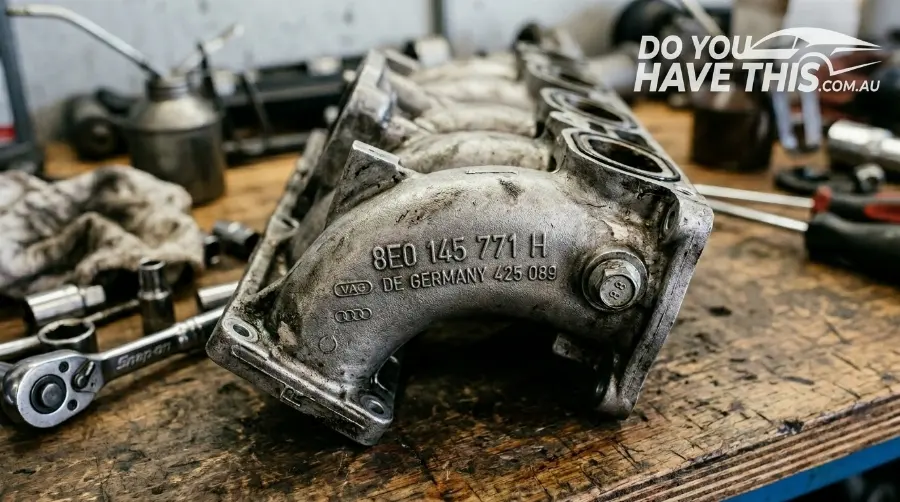
Finding the right replacement part for a vehicle should be simple. Yet for many car owners, mechanics, and DIY enthusiasts, one small detail often creates confusion: the part number.
At first glance, a car part number can look like a random collection of letters, numbers, and symbols. Many people assume these codes are only useful to manufacturers or dealerships.
In reality, understanding a part number can help you identify the correct component, avoid purchasing mistakes, and save time when searching for replacements. This is particularly important because modern engines often last longer than many drivers expect, making accurate part identification essential when maintaining or repairing vehicles over a longer lifespan.
If you've ever searched online for a part and found several versions that looked identical but carried different numbers, you're not alone. This is one of the most common challenges vehicle owners face when sourcing components.
In this guide, we'll explain how to read car part numbers in Australia, what these numbers actually mean, why they sometimes change, and how to use them correctly when searching for replacement parts.
Why Car Part Numbers Matter
Every vehicle contains thousands of individual components. Manufacturers use part numbers to identify each specific item and distinguish it from similar parts.
A part number acts like a unique identifier. It helps manufacturers, suppliers, mechanics, and vehicle owners ensure that everyone is referring to exactly the same component.
Without part numbers, finding the correct replacement would be much more difficult, especially for vehicles that have multiple engine options, trim levels, production years, or regional variations.
Even small differences between parts can affect compatibility. Two components may appear identical externally but have different specifications, mounting points, electrical connections, or performance characteristics. This is why accurate identification is so important, especially when handling live part requests, where selecting the correct component helps avoid compatibility issues and unnecessary delays.
That's why relying solely on visual inspection can sometimes lead to expensive mistakes.
What Do Car Part Numbers Mean?
One of the most common questions people ask is: what do car part numbers mean?
The answer depends on the manufacturer.
There is no universal numbering system used across the automotive industry. Each manufacturer develops its own coding structure to organize and track parts.
A part number may contain information such as:
- Vehicle model series
- Production generation
- Component category
- Engineering revision
- Manufacturing location
- Version updates
For example, a manufacturer might use:
- The first section to identify the vehicle platform
- The middle section to identify the part type
- The final section to indicate revisions or updates
While the exact format varies between brands, the main purpose remains the same: uniquely identifying a specific component.
Understanding OEM Part Numbers
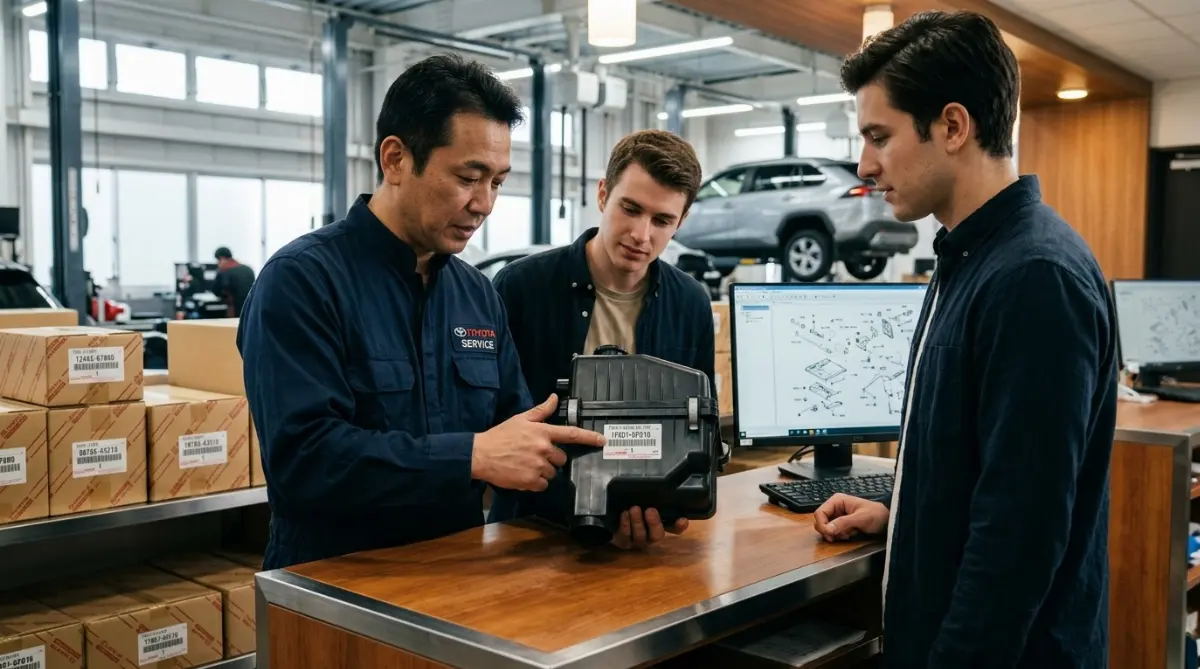
When discussing vehicle components, you'll often hear the term OEM.
OEM stands for Original Equipment Manufacturer. An OEM part is produced by the manufacturer that originally supplied the component for the vehicle. This identification is particularly valuable when dealing with car parts shipping across Australia, helping buyers confirm compatibility before parts are transported long distances.
Understanding OEM part number meaning Australia is particularly important when comparing original parts with aftermarket alternatives.
An OEM number serves as the official reference code assigned by the vehicle manufacturer.
For example:
- A brake sensor may have one OEM number.
- Several aftermarket manufacturers may produce compatible versions.
- Those aftermarket suppliers often reference the original OEM number to indicate compatibility.
When searching for replacement parts, the OEM number is often the most reliable starting point because it directly links to the manufacturer's specifications.
How to Decode a Car Part Number
Many people wonder how to decode a car part number without access to manufacturer databases.
While complete decoding isn't always possible, you can usually gather useful information by examining the structure.
Look for Manufacturer Prefixes
Some manufacturers include prefixes that identify the vehicle platform, model family, or engineering department.
These prefixes often remain consistent across related components.
Identify Revision Suffixes
The last few characters frequently indicate revisions.
For example:
- Version A
- Version B
- Version C
A later revision may replace an earlier version while remaining fully compatible.
Compare Similar Parts
When comparing two nearly identical numbers, pay close attention to:
- Final letters
- Suffixes
- Hyphens
- Regional codes
A single character difference can sometimes indicate a significant change.
Use VIN-Based Verification
The most reliable method is matching the part number against the vehicle's VIN Vehicle Identification Number.
This helps confirm compatibility based on the exact specifications of the vehicle.
Common Types of Car Part Numbers
Not all part numbers serve the same purpose.
Manufacturer Part Numbers
These are official numbers issued by the vehicle manufacturer.
They are generally considered the primary reference when sourcing replacements.
OEM Supplier Numbers
Sometimes the company that manufactured the original component assigns its own internal number.
You may see both the manufacturer's number and supplier's number listed together.
Aftermarket Part Numbers
Aftermarket manufacturers create their own numbering systems.
These numbers usually cross-reference OEM numbers to indicate compatibility.
Interchange Numbers
Some suppliers use interchange databases that connect equivalent parts across multiple brands.
These systems help identify alternatives when the original component is unavailable.
Why Part Numbers Change Over Time
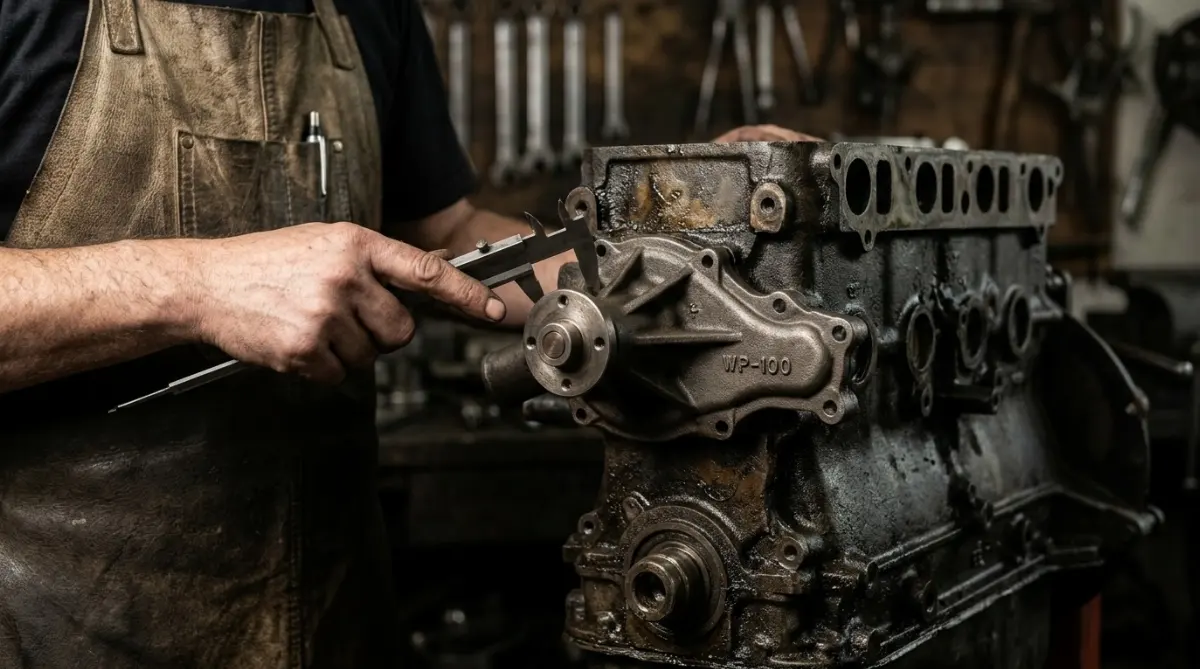
One of the most confusing situations occurs when a search result says the original number has been superseded. This situation is common with components such as car taillights & headlights, where manufacturers may update part numbers over time while the replacement part remains compatible with the same vehicle model.
This leads many people to ask: car part number changed what to do?
The good news is that this is extremely common.
Manufacturers regularly update part numbers for several reasons:
- Product improvements
- Design revisions
- Supplier changes
- Manufacturing updates
- Inventory consolidation
- Regulatory compliance updates
In many cases, the new number replaces the old one completely.
For example:
- Part A123 may become A123-B.
- Later it may become A123-C.
- Eventually it may be replaced by an entirely new numbering format.
Most supplier databases maintain cross-references so older numbers can still be traced.
What To Do When a Part Number Changes
If you discover that a part number has changed, don't assume the part is incompatible.
Instead:
Verify Supersession Information
Check whether the manufacturer lists a replacement number.
Many catalog systems automatically redirect old numbers to current versions.
Compare Vehicle Compatibility
Ensure both numbers are approved for your specific vehicle model and production year.
Consult Reliable Databases
Professional parts suppliers often maintain updated interchange information.
Check Technical Specifications
If uncertainty remains, compare:
- Dimensions
- Electrical ratings
- Mounting points
- Connector types
The replacement part should match the original specifications.
Common Mistakes When Reading Car Part Numbers
Many purchasing errors occur because of simple misunderstandings.
Ignoring Suffixes
The final letters often contain important compatibility information.
Leaving them out can lead to ordering the wrong part.
Assuming Similar Numbers Are Identical
Two parts that differ by only one character may serve entirely different applications.
Always verify the complete code.
Using Visual Matching Alone
Parts that look identical may have different internal specifications.
The part number remains the most reliable identifier.
Skipping VIN Verification
Vehicle manufacturers frequently introduce running production changes.
Two vehicles from the same year may require different parts depending on production date.
Relying on Generic Search Results
Online marketplaces sometimes display broad compatibility claims.
Cross-checking the actual part number helps avoid errors.
How Australian Vehicle Owners Can Find the Correct Part

For Australian drivers, sourcing parts can occasionally involve additional complexity due to imported vehicles, regional specifications, and multiple supply channels. For example, when using a fuel pump replacement guide, verifying the correct part number is essential to ensure compatibility with the vehicle's exact model and configuration. ls.
A practical approach includes:
- Locate the original part number.
- Record the vehicle VIN.
- Confirm vehicle year and engine details.
- Search using both the OEM number and vehicle information.
- Verify superseded numbers if applicable.
Combining these steps significantly improves accuracy.
Expert Perspective: Why Part Numbers Matter More Than Descriptions
Experienced mechanics rarely rely solely on product descriptions.
Descriptions can vary between suppliers and may contain simplified language designed for broad audiences.
Part numbers, however, provide precision.
For example, a description like "front wheel bearing" may apply to several variants across different trims and engine options.
The correct part number removes guesswork.
This is why professional workshops typically start with VIN verification and part-number matching before ordering components.
It reduces returns, prevents installation delays, and improves confidence that the correct part has been selected.
The Growing Importance of Digital Parts Catalogs
Modern vehicle parts sourcing increasingly relies on digital databases.
These systems connect:
- OEM numbers
- Superseded numbers
- Aftermarket equivalents
- Vehicle compatibility information
As a result, understanding part numbers has become even more valuable.
Rather than searching by description alone, vehicle owners can use precise identifiers to narrow results and avoid confusion.
Many industry professionals consider the part number the single most important piece of information when ordering replacement components. This becomes especially clear when working through a car suspension parts guide, where precise identification is essential to ensure the correct fit and safe vehicle performance.
Conclusion
Understanding car part numbers doesn't require advanced mechanical knowledge. Once you know what these codes are designed to do, they become powerful tools for identifying the correct replacement component.
Whether you're trying to understand what car part numbers mean, learn how to decode a car part number, or figure out what happens when a car part number changed, the key is to treat the number as the most reliable identifier available.
Using the complete part number, verifying compatibility through the VIN, and checking for updated or superseded versions can help prevent ordering mistakes and unnecessary delays.
If you're sourcing replacement components, taking a few extra minutes to confirm the correct part number can save significant time, money, and frustration later.
FAQs
How do I find my car's part number?
Many parts have the number printed, stamped, engraved, or labeled directly on the component. You can also find it through manufacturer catalogs, service manuals, or VIN-based parts databases.
Can two different part numbers fit the same vehicle?
Yes. Manufacturers sometimes supersede older numbers with newer versions. Different aftermarket brands may also assign their own numbers while maintaining compatibility.
What does OEM mean on a car part?
OEM stands for Original Equipment Manufacturer. It refers to the company that produced the original component supplied for the vehicle.
Why can't I find my old part number online?
The number may have been discontinued, updated, or replaced. Searching for superseded or replacement numbers often leads to the current equivalent part.
Is the VIN better than the part number?
Both are useful. The VIN helps confirm exact vehicle specifications, while the part number identifies the specific component. Using both together provides the highest level of accuracy.