Fuel Pump Replacement Guide for Australian Car Owners
A fuel pump is one of the most essential components in your vehicle’s fuel system. It is responsible for delivering fuel from the tank to the engine at the correct pressure. When it starts failing, your car’s performance drops quickly and can even leave you stranded.
For Australian car owners, understanding fuel pump symptoms, replacement costs, and sourcing options for vehicle fuel pump parts is important—especially as fuel system components vary widely in price and quality depending on OEM or aftermarket choices.
Platforms like DoYouHaveThis.com.au make it easier to find fuel pump replacement options by connecting buyers with auto wreckers, dismantlers, and suppliers across Australia. Instead of checking multiple stores, you can post a request and receive competitive quotes for the right part.
What Is a Fuel Pump?
The fuel pump is a key part of the car fuel system parts network. Its job is to:
- Pull fuel from the tank
- Maintain correct fuel pressure
- Deliver fuel to the engine efficiently
Without a working fuel pump, the engine cannot run properly or may not start at all.
Modern vehicles usually use electric fuel pumps located inside the fuel tank.
Common Fuel Pump Symptoms
Recognizing fuel pump symptoms early can save you from breakdowns and costly repairs.
1. Engine Sputtering at High Speeds
If your engine starts to jerk or lose power while driving at high speed, it may indicate inconsistent fuel delivery.
2. Difficulty Starting the Car
A failing fuel pump may struggle to build enough pressure, making it hard to start the engine.
3. Loss of Power Under Load
When accelerating or climbing hills, the engine may feel weak or unresponsive.
4. Engine Stalling
A completely failing engine fuel pump may cause sudden stalling, especially during driving.
5. Whining Noise from Fuel Tank
A loud whining or humming sound from the rear of the vehicle often indicates pump wear.
Fuel Pump Replacement Cost in Australia
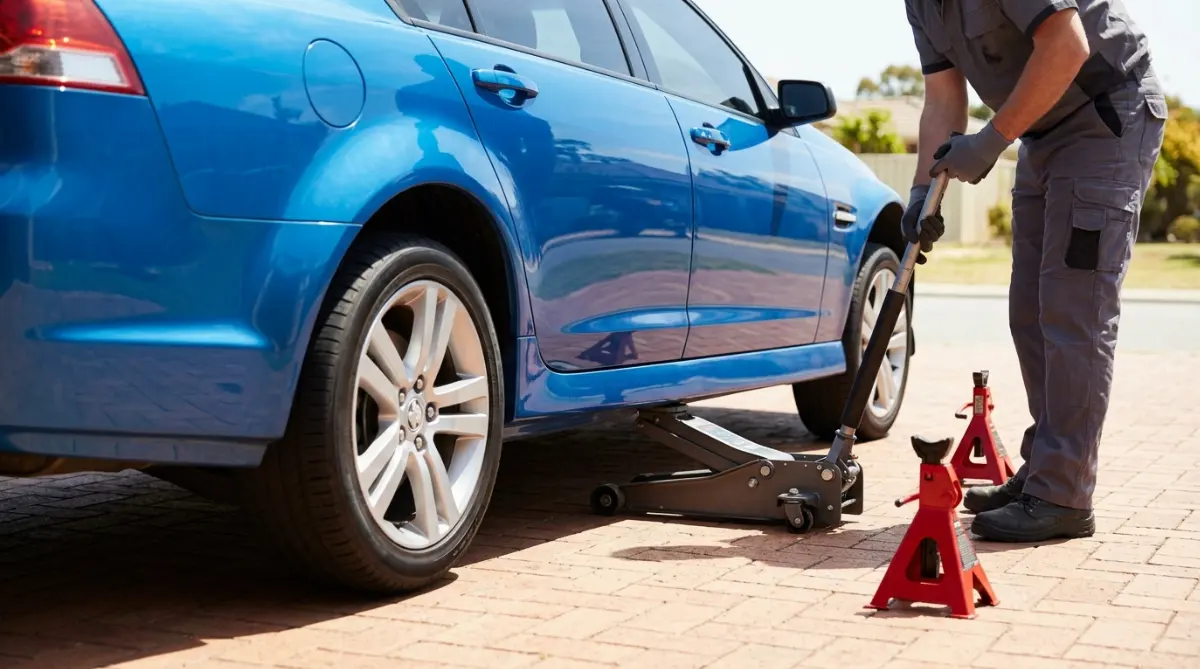
The fuel pump price Australian drivers pay depends on several factors:
- Vehicle make and model
- OEM vs aftermarket choice
- Labour charges
- Location and workshop rates
Average cost range:
- Aftermarket fuel pump: lower cost, widely available
- OEM fuel pump: higher price but better reliability
- Labour costs: vary depending on workshop
Luxury and imported vehicles typically have higher replacement costs due to specialized parts.
OEM vs Aftermarket Fuel Pumps
When replacing a fuel pump, you typically choose between OEM and aftermarket options.
OEM Fuel Pumps
- Designed by the original manufacturer
- Perfect fit and compatibility
- Higher cost but reliable performance
Aftermarket Fuel Pumps
- Produced by third-party manufacturers
- More affordable
- Wide availability in Australia
- Quality varies depending on brand
For older vehicles, aftermarket options often provide a cost-effective solution. For newer or high-performance engines, OEM is usually preferred.
How Fuel Pumps Fail
Fuel pumps usually fail due to the following:
- Contaminated fuel
- Running on low fuel frequently
- Wear and tear over time
- Electrical issues
- Overheating
Driving habits can significantly impact fuel pump lifespan.
How to Choose the Right Fuel Pump
1. Match Vehicle Specifications
Always confirm:
- Make
- Model
- Year
- Engine type
- Fuel system compatibility
Incorrect parts can damage the engine or reduce performance.
2. Compare Suppliers
Instead of buying from a single source, compare:
- Pricing
- Warranty
- Delivery time
- Part condition (new or used)
Platforms like DoYouHaveThis.com.au allow you to receive multiple quotes from suppliers and wreckers across Australia.
3. Consider Used OEM Parts
Used OEM fuel pumps from wreckers can be:
- Cost-effective
- Reliable (if tested)
- Suitable for older vehicles
This is a common option for budget-conscious repairs.
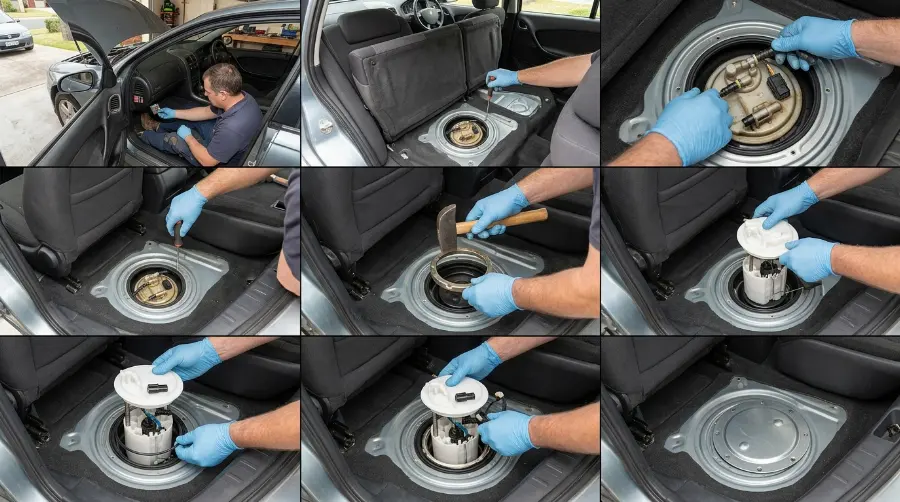
Fuel Pump Installation Overview
Fuel pump replacement is a moderately complex task.
Typical steps include the following:
- Removing rear seat or fuel tank access
- Disconnecting fuel lines and electrical connectors
- Removing old pump assembly
- Installing new pump
- Testing fuel pressure and engine performance
Due to safety risks (flammable fuel), many car owners prefer professional installation.
Preventing Fuel Pump Problems
You can extend fuel pump life by:
- Keeping fuel tank above 1/4 level
- Using clean, high-quality fuel
- Replacing fuel filters regularly
- Avoiding contamination in fuel system
Proper maintenance reduces long-term repair costs.
Final Thoughts
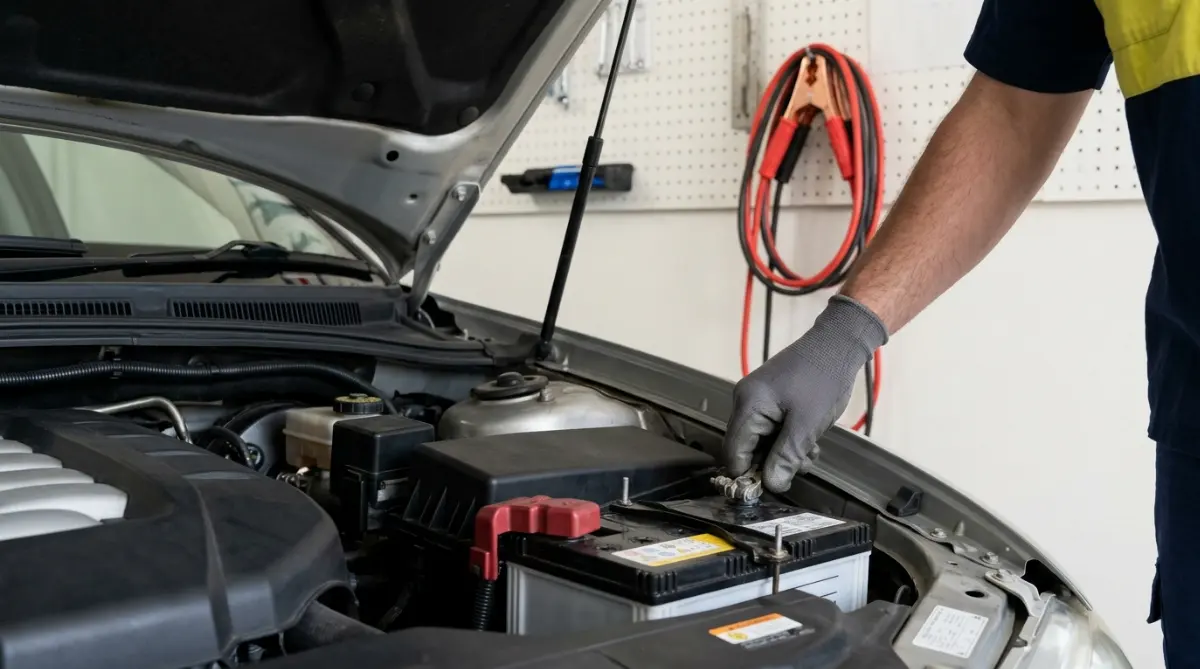
The fuel pump is a critical component of your vehicle's fuel system, and understanding its symptoms, pricing, and replacement options can help you avoid breakdowns and expensive repairs.
Whether you are dealing with fuel pump symptoms, comparing fuel pump price Australia options, or sourcing car fuel system parts, choosing the right supplier is essential.
Platforms like DoYouHaveThis.com.au simplify the process by connecting Australian car owners with reliable suppliers and wreckers, making it easier to find the right vehicle fuel pump at the best price.
A timely replacement ensures better performance, fuel efficiency, and long-term engine health.
FAQs
1. What are the symptoms of a bad fuel pump?
Common fuel pump symptoms include engine sputtering, hard starting, loss of power, stalling, and a whining noise from the fuel tank.
2. How much does a fuel pump cost in Australia?
Fuel pump price in Australia varies by vehicle type, OEM or aftermarket choice, and labour costs, with aftermarket options usually being more affordable.
3. Can I drive with a failing fuel pump?
It is not recommended. A failing fuel pump can cause sudden stalling, power loss, and may leave your vehicle stranded unexpectedly.
4. Should I choose OEM or aftermarket fuel pumps?
OEM fuel pumps offer better reliability and perfect fit, while aftermarket options are cheaper but vary in quality. Choice depends on budget and vehicle age.
5. How long does a fuel pump last?
A fuel pump typically lasts 100,000–200,000 km, depending on driving habits, fuel quality, and maintenance of the fuel system.