Honda CR-V Common Problems Australian Owners Report
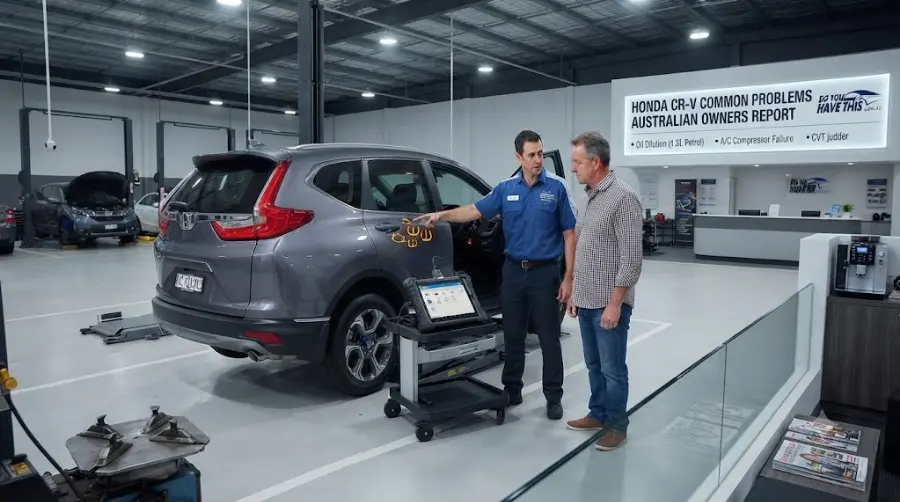
The Honda CR-V has earned a strong reputation in Australia for being practical, comfortable, and dependable. It's one of those SUVs that many families keep for years because it balances everyday usability with relatively low running costs. That reputation is well deserved but it doesn't mean every CR-V is free from problems.
Every reliable vehicle can develop mechanical issues as its components wear over time. Understanding common faults helps you make better maintenance decisions and catch problems before they become expensive.
This guide covers Honda CRV common problems Australia owners often report, their warning signs, and ways to keep your vehicle reliable. When replacement parts are needed, Buy Car Parts Online Australia can also help you find suitable components.
Why the Honda CR-V Has Such a Strong Reputation
Honda built the CR-V with reliability and practicality in mind. Whether used for city commuting, long-distance travel, or family duties, it generally performs well when serviced according to schedule.
Australian owners often praise the CR-V for:
- Comfortable driving experience
- Efficient fuel economy
- Spacious interior
- Long engine life with proper maintenance
- Good resale value
However, even dependable vehicles experience wear. High mileage, Australia's harsh climate, stop-start traffic, and inconsistent servicing can all contribute to mechanical problems over time.
Common Honda CR-V Mechanical Problems
Understanding the most frequently reported Honda CRV problems helps owners identify issues before they become serious.
CVT Transmission Concerns
Many newer Honda CR-V models use a Continuously Variable Transmission (CVT). While generally smooth and fuel efficient, it requires proper maintenance.
Owners occasionally report:
- Delayed acceleration
- Shuddering during takeoff
- Hesitation when accelerating
- Transmission warning lights
These issues are often linked to:
- Worn transmission fluid
- Lack of scheduled servicing
- Internal CVT wear after high mileage
Ignoring transmission symptoms can eventually lead to costly repairs, making regular fluid changes especially important.
Air Conditioning Compressor Failure
Air conditioning issues appear regularly in discussions about Subaru Forester Known Issues, particularly on higher-mileage vehicles.
Common symptoms include:
- Weak cooling
- Warm air despite maximum settings
- Clicking noises from the compressor
- Compressor failing to engage
In Australia's hot summers, this becomes more than just an inconvenience. The problem may come from the compressor, refrigerant leaks, pressure sensors, or condenser damage. Early diagnosis can help prevent further damage to the air conditioning system.
Suspension Wear
Australian roads vary from smooth highways to rough regional routes, placing constant stress on suspension components.
Common wear items include:
- Shock absorbers
- Strut mounts
- Control arm bushes
- Ball joints
- Sway bar links
Typical symptoms include:
- Clunking noises
- Excessive bouncing
- Uneven tire wear
- Reduced steering stability
Suspension components naturally wear over time and should be inspected during routine servicing.
Brake System Wear
Brake components naturally wear faster in urban driving with frequent stopping.
Owners commonly experience:
- Brake pad wear
- Rotor wear
- Brake vibration
- Squealing noises
Sometimes drivers delay replacing worn brake pads, allowing damage to spread to the brake rotors and increasing repair costs.
Routine inspections help identify brake wear before it affects stopping performance.
Battery and Charging Problems
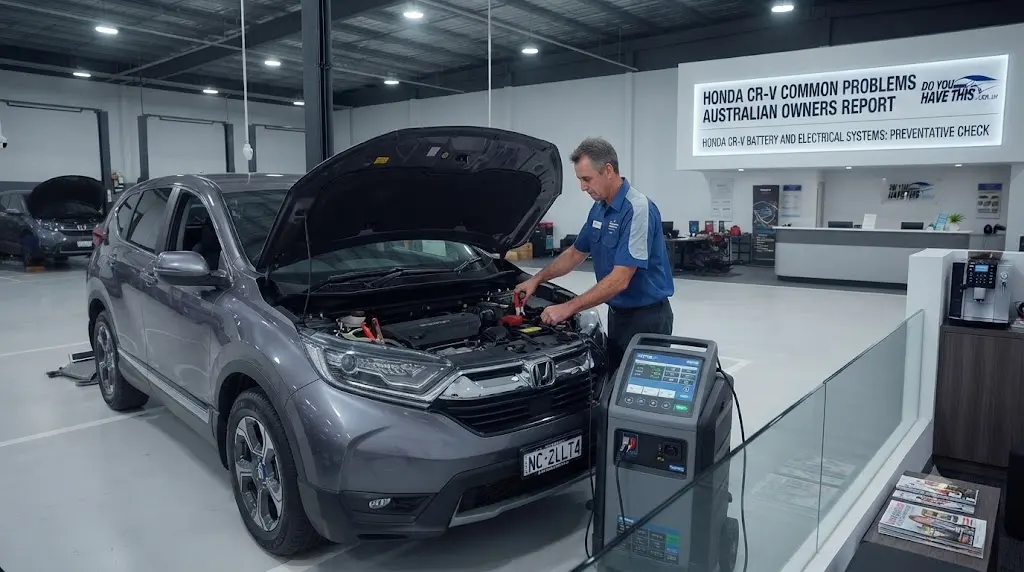
Electrical issues aren't among the most common Honda faults, but batteries eventually reach the end of their service life. Similar battery-related concerns can also be seen when maintaining vehicles with Toyota Prado common parts.
Warning signs include:
- Slow engine cranking
- Dashboard warning lights
- Dim headlights
- Electrical accessories behaving inconsistently
Short trips, extreme temperatures, and aging batteries can all shorten battery life. Testing the battery during routine servicing is a simple preventative measure.
Engine Oil Leaks
Some older CR-V models begin developing small oil leaks as rubber seals age.
Common leak locations include:
- Valve cover gasket
- Oil pan gasket
- Timing cover seals
Drivers may notice:
- Oil spots under the vehicle
- Burning oil smell
- Gradually decreasing oil levels
Small leaks are generally inexpensive to repair early but can become more serious if ignored.
Timing Chain Tensioner Noise
Unlike vehicles with timing belts, many Honda CR-V engines use timing chains designed to last much longer.
However, tensioners can wear over time.
Symptoms may include:
- Rattling noise during cold starts
- Engine ticking
- Check engine light
Ignoring unusual engine noises may eventually result in more extensive repairs.
Turbocharger Issues on Newer Models
Some modern CR-V variants equipped with turbocharged engines have experienced occasional turbo-related concerns.
Possible symptoms include:
- Loss of power
- Excessive exhaust smoke
- Whistling noises
- Poor acceleration
Most turbochargers last many years when serviced correctly and supplied with clean engine oil.
Using the recommended oil and observing service intervals significantly reduces risk.
Honda CR-V Maintenance Problems Owners Can Prevent
Many reported Honda CRV maintenance problems aren't manufacturing defects at all. They often result from delayed servicing or overlooked maintenance.
Examples include:
Skipping Transmission Fluid Changes
CVT transmissions depend heavily on clean, manufacturer-approved fluid.
Old fluid loses its protective qualities, increasing wear inside the transmission.
Ignoring Small Oil Leaks
Minor leaks rarely fix themselves.
Waiting too long often allows seals to deteriorate further, leading to more expensive repairs.
Delaying Brake Service
Replacing brake pads on time is far less expensive than replacing both pads and rotors.
Using Incorrect Engine Oil
Modern Honda engines are designed for specific oil grades.
Using incorrect oil may reduce efficiency and increase engine wear over time.
Overlooking Cooling System Maintenance
Radiators, coolant hoses, thermostats, and water pumps gradually wear.
Cooling system inspections help prevent overheating, particularly during Australia's warmer months.
Used Honda CR-V Problems to Check Before Buying
Buying used can be an excellent choice, but inspecting the vehicle carefully is essential.
Some common used Honda CRV problems include normal wear that depends more on maintenance history than age alone.
Before purchasing, check:
Service Records
A complete service history provides confidence that scheduled maintenance has been completed.
Missing records don't automatically indicate problems, but they deserve closer inspection.
Transmission Operation
During a test drive, watch for:
- Hesitation
- Shuddering
- Jerky acceleration
- Warning lights
The transmission should operate smoothly throughout the drive.
Suspension Condition
Drive over uneven roads if possible.
Listen for:
- Clunks
- Knocks
- Excessive bouncing
These signs often indicate worn suspension components.
Air Conditioning Performance
In Australia, effective air conditioning is essential.
Make sure the system cools quickly and consistently.
Fluid Leaks
Inspect underneath the vehicle for:
- Oil
- Coolant
- Transmission fluid
Fresh leaks deserve professional inspection before purchase.
Tire Wear
Uneven tire wear may indicate:
- Suspension issues
- Poor wheel alignment
- Accident damage
It can also suggest deferred maintenance.
What Australian Owners Commonly Misunderstand
Several misunderstandings appear repeatedly in owner discussions.
Honda Means Nothing Ever Breaks
Honda builds reliable vehicles, but every mechanical system eventually wears out.
Regular servicing remains essential.
The Transmission Doesn't Need Maintenance
Some drivers assume modern transmissions are sealed for life.
In reality, following Honda's maintenance schedule helps extend transmission lifespan.
Small Noises Aren't Worth Investigating
Minor rattles, squeaks, or vibrations often become larger repairs if ignored.
Early diagnosis usually saves money.
Low Mileage Means No Problems
Age also affects rubber seals, hoses, batteries, and fluids.
A low-mileage vehicle that has sat unused for years may still require maintenance.
Practical Tips for Extending Honda CR-V Reliability
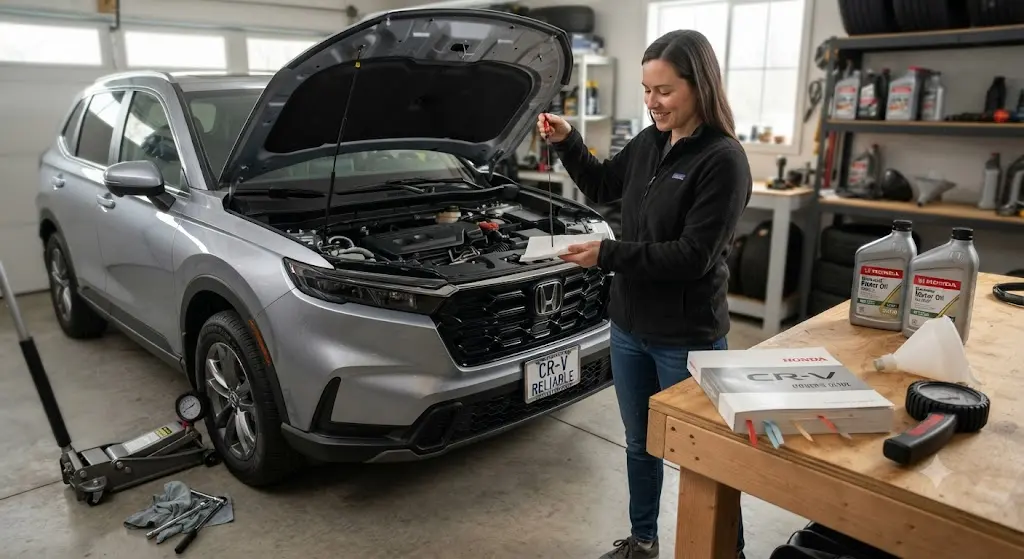
Owners can improve long-term reliability with a few simple habits.
Follow the Maintenance Schedule
Routine servicing allows technicians to identify small issues before they become major repairs.
Use Genuine or High-Quality Replacement Parts
Quality replacement components generally provide better durability and compatibility.
Check Fluid Levels Regularly
Monthly checks of:
- Engine oil
- Coolant
- Brake fluid
- Windshield washer fluid
help identify developing problems early.
Pay Attention to Dashboard Warning Lights
Modern vehicles provide valuable early warnings.
Ignoring warning lights may increase repair costs.
Listen for Changes
New noises, vibrations, or changes in driving feel often indicate developing mechanical issues.
Addressing them promptly reduces the chance of larger failures.
Expert Perspective
The Honda CR-V continues to be one of Australia's trusted SUVs because most of its common issues are predictable rather than unexpected.
Experienced mechanics often find that severe repairs are less common in vehicles that receive consistent servicing and prompt attention when small faults first appear. Many common Honda CRV issues involve wear items such as suspension components, brakes, batteries, seals, or air conditioning systems rather than major engine failures.
As vehicles age, Finding Spare Parts Is Getting Harder can also make timely maintenance more important. Understanding these patterns helps owners budget for repairs, identify warning signs early, and enjoy years of dependable driving.
Conclusion
The Honda CR-V has earned its reputation for reliability, but no vehicle is immune to wear and tear. Understanding the Honda CRV common problems Australia owners report can help you recognize issues early, maintain your SUV more effectively, and avoid unnecessary repair costs.
Whether you're already driving a CR-V or considering buying a used one, paying attention to service history, following maintenance schedules, and addressing small problems promptly can make a significant difference in long-term reliability.
If you're replacing worn components or maintaining your Honda CR-V, choosing quality replacement parts and seeking professional advice when needed can help keep your vehicle performing at its best.
FAQs
Are Honda CR-Vs reliable in Australia?
Yes. The Honda CR-V is generally considered one of the more reliable compact SUVs in Australia. Like any vehicle, long-term reliability depends largely on consistent maintenance and timely repairs.
What is the most common Honda CR-V problem?
Some of the most frequently reported issues include CVT transmission concerns, air conditioning compressor failures, suspension wear, brake wear, and minor oil leaks on older models.
Should I buy a used Honda CR-V?
A used Honda CR-V can be an excellent purchase if it has a documented service history, no major mechanical faults, and has been regularly maintained.
How often should a Honda CR-V be serviced?
Owners should follow Honda's recommended maintenance schedule. Regular oil changes, brake inspections, fluid replacements, and transmission servicing help maximize reliability.
Can regular maintenance prevent major Honda CR-V repairs?
Routine maintenance cannot eliminate every mechanical issue, but it greatly reduces the risk of many common problems and helps identify developing faults before they become expensive repairs.