Toyota Prado Common Parts That Fail and What to Expect
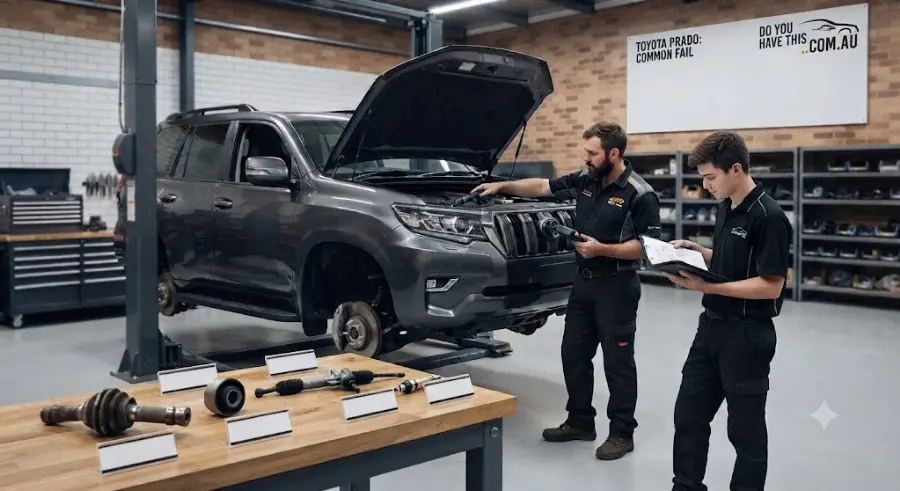
The Toyota Prado has earned a reputation across Australia for being dependable, capable, and comfortable whether it's tackling long highway drives, towing a caravan, or exploring remote tracks. Many owners buy one expecting years of trouble-free driving, and in many cases, that's exactly what they get.
However, no vehicle is immune to wear and tear. Understanding Toyota Prado common failures Australia drivers experience helps you spot problems early and avoid unexpected repairs.
If you're considering a replacement transmission, it's also worth learning how to check if a second-hand gearbox is in good condition. Whether you're buying a used Prado or already own one, knowing which parts commonly fail helps you make better maintenance decisions.
Why Some Prado Parts Wear Faster in Australia
Australian driving conditions are often tougher than people realize.
Long-distance travel, corrugated gravel roads, heavy towing, beach driving, dust, heat, and stop-start city traffic all place different types of stress on vehicle components.
A Prado that spends most of its life commuting through suburban streets may develop different maintenance needs than one regularly used for off-road adventures or towing boats across the country.
That's why discussions about Toyota Prado problems Australia owners report often vary depending on how the vehicle has been used rather than simply its age.
Suspension Components Often Need Attention
The Prado's suspension is designed to balance comfort with off-road capability. Over time, however, several suspension parts naturally wear out.
Common components include:
- Shock absorbers
- Control arm bushes
- Ball joints
- Sway bar links
- Suspension bushes
As these parts age, you may notice:
- Clunking noises
- Poor ride quality
- Increased body roll
- Uneven tire wear
- Steering that feels less precise
Vehicles regularly driven on rough roads or carrying heavy loads usually experience suspension wear earlier than those driven mainly on sealed roads.
Replacing worn suspension components not only improves comfort but also restores handling and braking performance.
Wheel Bearings Can Wear Earlier Than Expected
Wheel bearings are designed to last many years, but water crossings, dust, and rough terrain can shorten their lifespan.
Early warning signs include:
- Humming noises while driving
- Grinding sounds
- Vibration through the steering wheel
- Excessive wheel movement during inspection
Ignoring worn bearings can lead to more expensive repairs and unsafe driving conditions. If major repairs are needed, many owners also ask how long a used engine lasts after replacement. Routine inspections are especially important for vehicles that frequently travel off-road.
Brake Components Naturally Wear Over Time
Brake pads and rotors are consumable items, but Australian conditions can accelerate wear.
Factors that increase brake wear include:
- Frequent towing
- Mountain driving
- Heavy traffic
- Sand and mud exposure
Drivers sometimes mistake worn brake components for major mechanical faults when the solution may simply involve replacing pads, machining or replacing rotors, or servicing brake calipers.
If you notice squealing, vibration while braking, or reduced stopping confidence, it's worth having the braking system inspected promptly.
Cooling System Problems Can Become Expensive
One area that deserves close attention is the cooling system.
Older Prados may eventually require replacement of components such as:
- Radiators
- Water pumps
- Thermostats
- Radiator hoses
- Expansion tanks
Small coolant leaks often develop gradually and may go unnoticed until overheating occurs.
Because overheating can contribute to significant engine damage, checking coolant levels and inspecting hoses during routine servicing is worthwhile.
Many experienced mechanics recommend preventative replacement of aging cooling components rather than waiting for complete failure.
Common Toyota Prado Engine Issues
When discussing Toyota Prado engine problems, it's important to separate isolated failures from normal maintenance issues. Many Prado engines last hundreds of thousands of kilometers with proper servicing, although some owners may encounter oil leaks, injector wear, turbo issues, carbon buildup, EGR contamination, or timing component wear.
When replacing parts, it also helps to understand how to read a car part number and what it means to ensure you choose the correct component. Watching for warning lights, unusual smoke, or reduced performance can help prevent major repairs.
Fuel Injectors Can Become a High-Mileage Expense
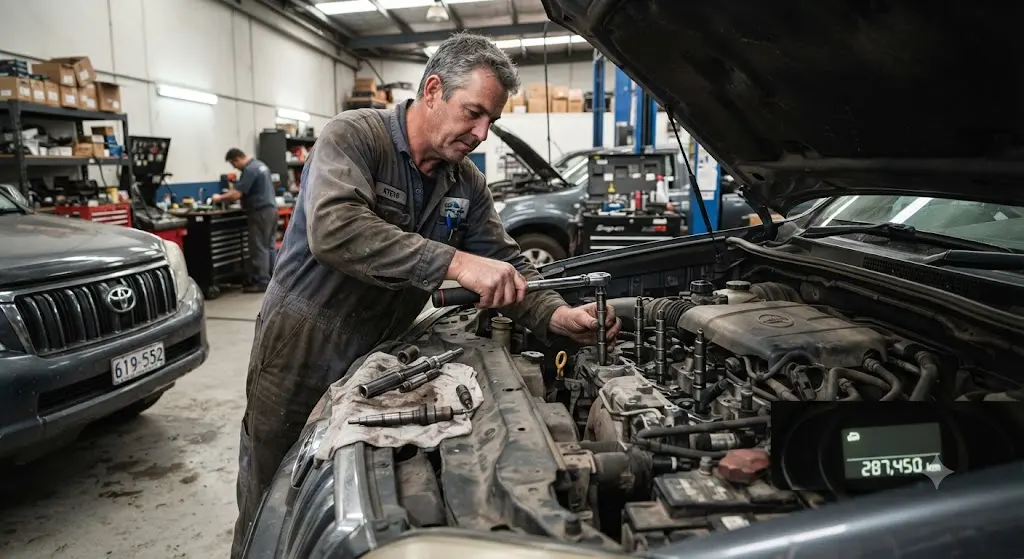
Diesel Prado owners often discuss injector replacement once vehicles accumulate higher mileage.
Injectors operate under extremely high pressure and naturally wear over time.
Possible symptoms include:
- Rough idle
- Hard starting
- Increased fuel consumption
- Engine knocking
- Loss of power
- Excessive exhaust smoke
Injector testing is usually recommended before replacement since not every performance issue originates from the fuel system.
Turbochargers Usually Fail Gradually
Turbocharger failure is less common than many internet discussions suggest.
In reality, most turbo problems develop slowly due to:
- Poor oil maintenance
- High mileage
- Contaminated oil
- Excessive heat
- Normal bearing wear
Warning signs may include:
- Whistling noises
- Reduced acceleration
- Increased oil consumption
- Blue smoke from the exhaust
Following recommended oil service intervals remains one of the simplest ways to extend turbocharger life.
Transmission Components Generally Last Well
Automatic transmissions in the Prado are widely regarded as durable.
Problems usually arise from neglected maintenance rather than inherent design flaws.
Potential symptoms include:
- Delayed gear engagement
- Harsh shifting
- Transmission slipping
- Fluid leaks
Changing transmission fluid according to service recommendations can help reduce long-term wear.
Vehicles regularly used for towing may benefit from more frequent inspections due to the additional heat generated under load.
Steering Components Can Develop Wear
Steering systems naturally experience wear over years of driving.
Common parts that eventually require replacement include:
- Tie rod ends
- Steering rack bushes
- Rack ends
- Power steering hoses
Drivers often first notice:
- Loose steering
- Knocking sounds
- Uneven tire wear
- Fluid leaks
These problems usually develop slowly, making regular inspections valuable during scheduled servicing.
Electrical Components Are Usually Age-Related
Modern Prados contain numerous electronic systems. While Toyota electronics are generally reliable, age eventually affects components like:
- Alternators
- Starter motors
- Batteries
- Window regulators
- Door lock actuators
- Sensors
- Switches
Electrical faults are often intermittent at first, making early diagnosis easier before complete failure occurs. As replacement options expand, many owners believe online auto parts market places are the future for finding quality components.
Air Conditioning Components Can Wear Out
Australia's climate means many Prado air conditioning systems work hard throughout the year.
After years of operation, components such as:
- Compressors
- Condensers
- Cooling fans
- Pressure switches
may require replacement.
Reduced cooling performance or unusual compressor noises should be inspected early before additional components become affected.
Bushes and Rubber Components Don't Last Forever
Rubber deteriorates naturally with age.
Even well-maintained Prados eventually require replacement of:
- Engine mounts
- Suspension bushes
- Differential bushes
- Steering rack bushes
- Rubber seals
Heat, UV exposure, oil contamination, and off-road use all accelerate deterioration.
Replacing worn bushes often restores the solid driving feel many owners associate with the Prado.
Understanding Toyota Prado Maintenance Issues
Many discussions around Toyota Prado maintenance issues actually relate to deferred servicing rather than unexpected failures.
Routine maintenance remains one of the biggest factors influencing long-term reliability.
Important maintenance areas include:
- Regular oil changes
- Cooling system inspections
- Brake servicing
- Differential oil replacement
- Transfer case servicing
- Transmission maintenance
- Suspension inspections
- Air filter replacement after dusty driving
Skipping scheduled maintenance may save money in the short term but often leads to larger repair bills later.
Common Toyota Prado Issues Buyers Should Check
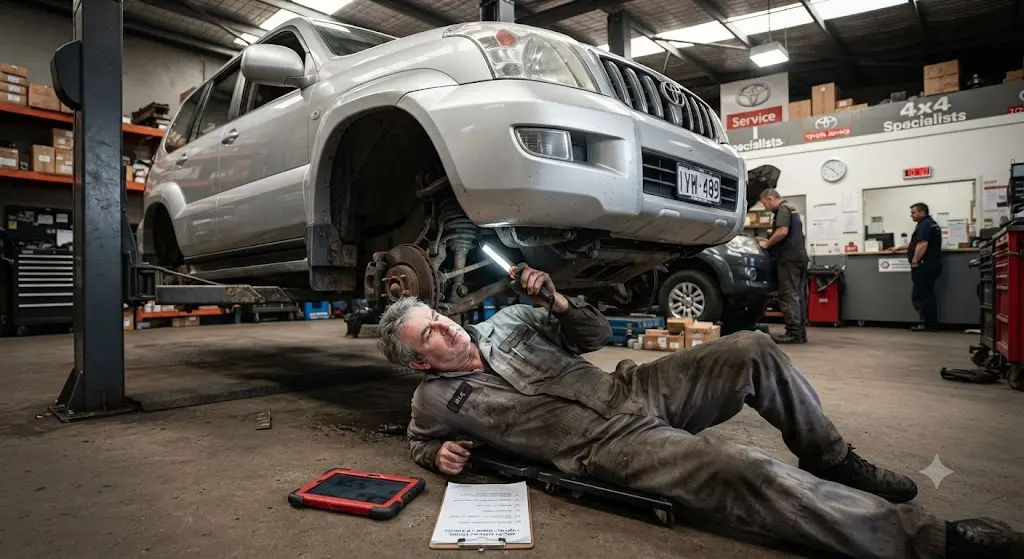
If you're purchasing a used Prado, pay attention to several areas during inspection.
Check for:
- Service history
- Oil leaks underneath the vehicle
- Cooling system condition
- Suspension noises
- Uneven tire wear
- Transmission operation
- Warning lights
- Rust around underbody components
- Signs of previous accident repairs
Vehicles with complete maintenance records generally provide greater confidence than those with limited servicing history.
What Owners Often Misunderstand
One misconception is that every Prado suffers from the same faults.
In reality, many Toyota Prado faults depend on:
- Model year
- Engine type
- Mileage
- Maintenance history
- Driving environment
- Towing frequency
A well-maintained Prado with higher mileage can often be a better purchase than a lower-mileage vehicle that has received inconsistent servicing.
Online forums also tend to highlight failures because people rarely post when everything is working perfectly.
Practical Tips to Reduce Future Repairs
Several habits can significantly extend component life.
- Follow the recommended service schedule.
- Inspect coolant regularly.
- Listen for new noises instead of ignoring them.
- Replace worn suspension parts before they affect other components.
- Service the transmission and differentials on time.
- Wash the underbody after beach driving.
- Address warning lights early.
- Use quality replacement parts when repairs are needed.
Preventative maintenance often costs far less than repairing damage caused by neglected wear.
Why Quality Replacement Parts Matter
When a component reaches the end of its life, choosing the right replacement makes a noticeable difference. Well-manufactured parts help maintain the Prado's reliability and fit correctly.
Understanding how auto wreckers source quality used car parts can also help you choose reliable replacements when genuine new parts are unavailable. Always confirm compatibility with your specific Prado model before installation.
Final Thoughts
The Toyota Prado remains one of Australia's most respected SUVs for good reason. Its reputation for durability is well deserved, but like any vehicle, certain components naturally wear out over time.
Understanding the common failures Australian owners encounter isn't about expecting constant repairs; it's about being prepared. Most common issues develop gradually and provide warning signs long before they become major problems.
Routine inspections, consistent servicing, and replacing worn components before they fail can keep a Prado performing reliably for many years.
If you're looking for quality replacement parts for your Toyota Prado, taking the time to match the correct component to your vehicle is one of the simplest ways to maintain its reliability and avoid unnecessary downtime.
FAQs
What are the most common Toyota Prado problems in Australia?
Some of the most commonly reported issues include suspension wear, cooling system leaks, injector wear on diesel models, brake component wear, wheel bearing problems, and aging electrical components. The exact issues depend on the vehicle's age, mileage, and maintenance history.
Do all Toyota Prado models have engine problems?
No. Most Prado engines are known for long-term reliability when serviced correctly. Higher-mileage vehicles may experience injector wear, oil leaks, or turbo-related issues, but these are often linked to age and maintenance rather than widespread design flaws.
How often should a Toyota Prado be serviced?
Follow Toyota's recommended service schedule for your specific model. Vehicles used for towing, off-road driving, or dusty conditions may benefit from more frequent inspections and maintenance.
Is it expensive to maintain a Toyota Prado?
Routine maintenance is generally more affordable than repairing neglected problems. Regular servicing, timely fluid changes, and replacing worn parts early can help reduce long-term ownership costs.
What should I check before buying a used Toyota Prado?
Review the service history, inspect for coolant leaks, suspension wear, transmission performance, warning lights, oil leaks, rust, and uneven tire wear. A professional pre-purchase inspection is also a worthwhile investment.