Kia Cerato Common Mechanical Problems Explained
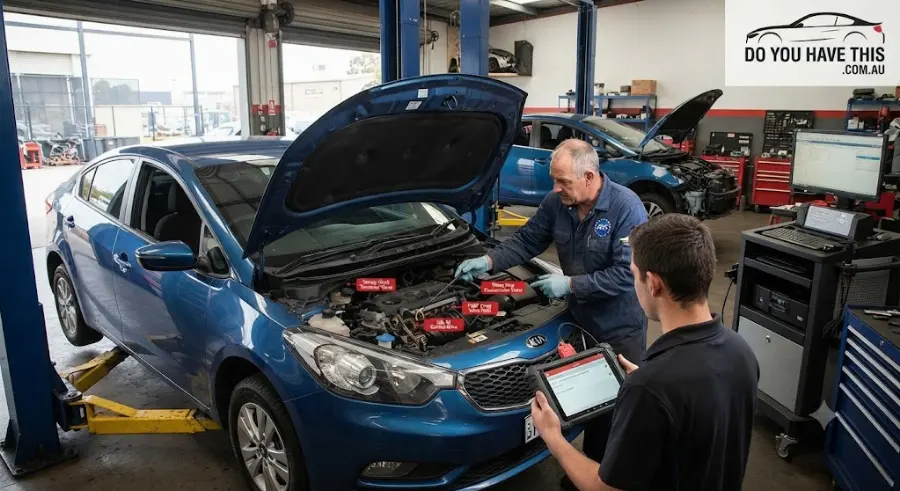
The Kia Cerato has earned a solid reputation as an affordable, practical, and comfortable small car. It's a popular choice for commuters, first-time buyers, and families who want dependable transportation without stretching their budget. While many owners enjoy years of trouble-free driving, no vehicle is completely free from wear and mechanical issues.
One common misconception is that a reliable car never develops problems. In reality, reliability means most issues are predictable and manageable with proper maintenance.
Understanding Kia Cerato mechanical problems helps owners spot warning signs early and avoid costly repairs. If you prefer maintaining your own vehicle, you may also find our guide to the Best Car Parts for DIY Car Repairs in Australia helpful. Knowing what commonly goes wrong helps you make smarter maintenance decisions.
Understanding Kia Cerato Reliability
Overall, Kia Cerato reliability is considered above average in the small sedan and hatchback segment. Many examples comfortably exceed 200,000 kilometers when serviced according to the manufacturer's maintenance schedule.
However, reliability depends on several factors:
- Regular servicing
- Driving habits
- Quality replacement parts
- Climate and road conditions
- Previous owner maintenance
Vehicles that miss oil changes, transmission servicing, or cooling system maintenance often develop problems much sooner than well-maintained examples.
The encouraging news is that many Kia Cerato problems develop gradually rather than appearing without warning.
Engine Oil Leaks
Oil leaks are among the most common Kia Cerato issues, especially as higher-mileage vehicles age.
Several seals and gaskets naturally harden over time due to heat cycles.
Common leak locations include:
- Valve cover gasket
- Oil pan gasket
- Timing cover seal
- Rear main seal (less common)
Warning signs
- Oil spots under the vehicle
- Burning oil smell
- Low engine oil level
- Smoke from the engine bay
Small leaks may not seem urgent, but ignoring them can eventually lead to low oil pressure and accelerated engine wear.
Regular inspections during servicing usually identify leaks before they become serious.
Timing Chain Noise
Unlike vehicles that use timing belts, many Kia Cerato engines use timing chains designed to last much longer. However, timing chains aren't maintenance-free forever.
Symptoms of wear include:
- Rattling during cold starts
- Metallic engine noise
- Rough idle
- Check engine light
Early diagnosis helps prevent more serious engine damage. You may also find our Car Suspension Parts Guide – Shocks, Struts & Control Arms helpful for understanding other components that commonly wear as vehicles age. Regular oil changes with the correct grade help extend timing chain life.
Ignition Coil and Spark Plug Problems
Ignition components naturally wear with mileage.
Failing ignition coils or worn spark plugs can cause:
- Engine misfires
- Rough acceleration
- Poor fuel economy
- Engine vibration
- Check engine warning light
These issues often appear gradually rather than suddenly.
Replacing spark plugs at recommended intervals reduces strain on ignition coils and helps maintain smooth engine performance.
Cooling System Problems
The cooling system keeps the engine operating within its ideal temperature range.
As vehicles age, components such as:
- Radiators
- Water pumps
- Thermostats
- Coolant hoses
can begin to wear.
Cooling system failures may lead to:
- Engine overheating
- Coolant leaks
- Poor heater performance
- Steam from under the hood
Ignoring overheating is one of the fastest ways to cause severe engine damage.
If the temperature gauge rises unexpectedly, the vehicle should be inspected before continuing to drive.
Kia Cerato Transmission Problems
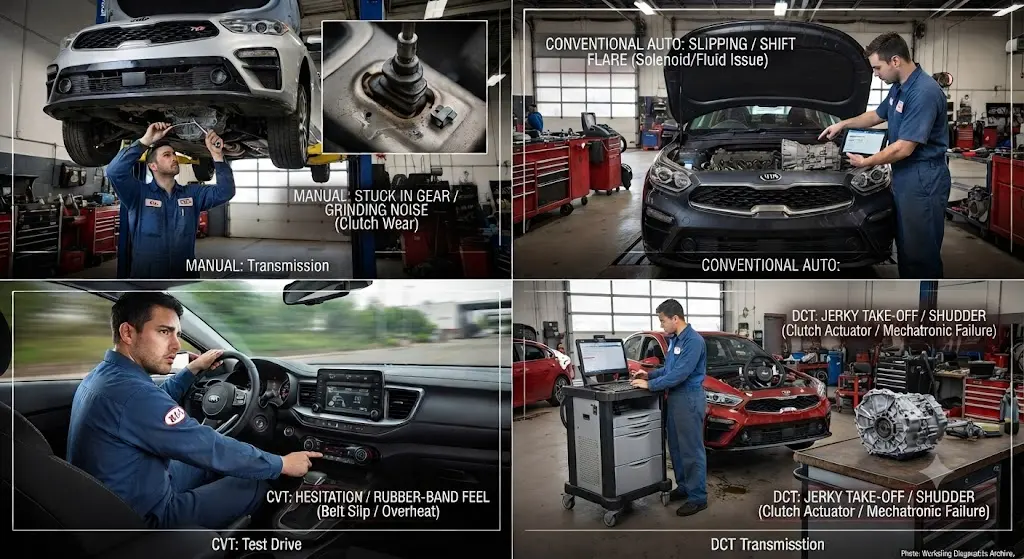
Among frequently discussed Kia Cerato transmission problems, owners report different experiences depending on the transmission type.
Common symptoms include:
- Delayed shifting
- Harsh gear changes
- Hesitation during acceleration
- Gear slipping
- Shuddering
These issues are often linked to worn transmission fluid, software updates, solenoid wear, or clutch wear in dual-clutch models. Although some manufacturers describe transmission fluid as "lifetime," many specialists recommend regular fluid changes.
If replacement parts are needed, many owners also wonder where mechanics buy cheap car parts in Australia to balance quality and cost.
Suspension Wear
Australian roads can be challenging, especially in rural areas where rough surfaces place additional stress on suspension components.
Common wear items include:
- Shock absorbers
- Strut mounts
- Control arm bushes
- Ball joints
- Sway bar links
Symptoms include:
- Clunking noises
- Uneven tire wear
- Steering vibration
- Reduced ride comfort
- Poor handling
Suspension wear usually develops gradually, making annual inspections valuable for identifying worn components early.
Brake System Issues
Brake components are designed to wear over time.
Typical maintenance items include:
- Brake pads
- Brake rotors
- Brake fluid
- Caliper hardware
Signs that brakes need attention include:
- Squealing
- Grinding
- Longer stopping distances
- Steering wheel vibration during braking
Replacing brake pads before they become completely worn helps protect brake rotors from unnecessary damage.
Battery and Charging Problems
Many owners assume a weak battery simply means it's old.
Sometimes that's true, but charging system issues can produce similar symptoms.
Possible causes include:
- Aging battery
- Faulty alternator
- Loose battery terminals
- Electrical drain
Common warning signs include:
- Slow engine cranking
- Dashboard warning lights
- Flickering headlights
- Electrical accessories behaving unpredictably
Battery testing during routine servicing helps identify problems before complete failure occurs.
Air Conditioning Problems
Air conditioning performance often declines gradually.
Common causes include:
- Refrigerant leaks
- Worn compressor
- Faulty condenser
- Cabin filter restrictions
Drivers may notice:
- Weak airflow
- Warm air
- Strange noises
- Unpleasant odors
Routine servicing can often restore performance before major components require replacement.
Steering System Concerns
Electric power steering systems generally require less maintenance than older hydraulic systems. However, owners occasionally report:
- Steering vibration
- Clicking sounds
- Heavy steering
- Warning lights
Sometimes these symptoms relate to steering column couplings or electronic sensors rather than complete steering system failure. You may also find our Car Suspension Parts Guide Shocks, Struts & Control Arms helpful, as suspension issues can sometimes affect steering feel. Early diagnosis helps avoid unnecessary replacement of expensive components.
Common Kia Cerato Maintenance Problems
Many Kia Cerato maintenance problems aren't caused by manufacturing defects.
Instead, they result from delayed servicing.
Examples include:
- Dirty engine oil
- Old coolant
- Worn transmission fluid
- Clogged air filters
- Delayed spark plug replacement
These maintenance items directly affect long-term reliability.
Following scheduled servicing often prevents many of the mechanical issues owners experience later.
What Owners Often Misunderstand
Many drivers believe that if the vehicle feels normal, everything is working correctly.
Unfortunately, mechanical wear often begins long before obvious symptoms appear.
For example:
- Slight oil seepage eventually becomes a significant leak.
- Minor suspension noise develops into poor tire wear.
- Small cooling system leaks become overheating.
- Delayed gear changes worsen over thousands of kilometers.
Addressing problems early is usually less expensive than waiting until multiple components fail together.
Buying a Used Kia Cerato
If you're shopping for a used Cerato, a mechanical inspection is more valuable than judging the car by appearance alone. Pay attention to:
- Complete service history
- Cold engine startup
- Smooth transmission operation
- Oil leaks
- Suspension noises
- Cooling system condition
- Brake performance
A professional pre-purchase inspection can identify hidden issues that aren't obvious during a short test drive. You may also find our Fuel Pump Replacement Guide for Australian Car Owners useful when evaluating an older vehicle. Maintenance history often tells a clearer story than mileage alone.
Practical Tips to Reduce Future Repairs
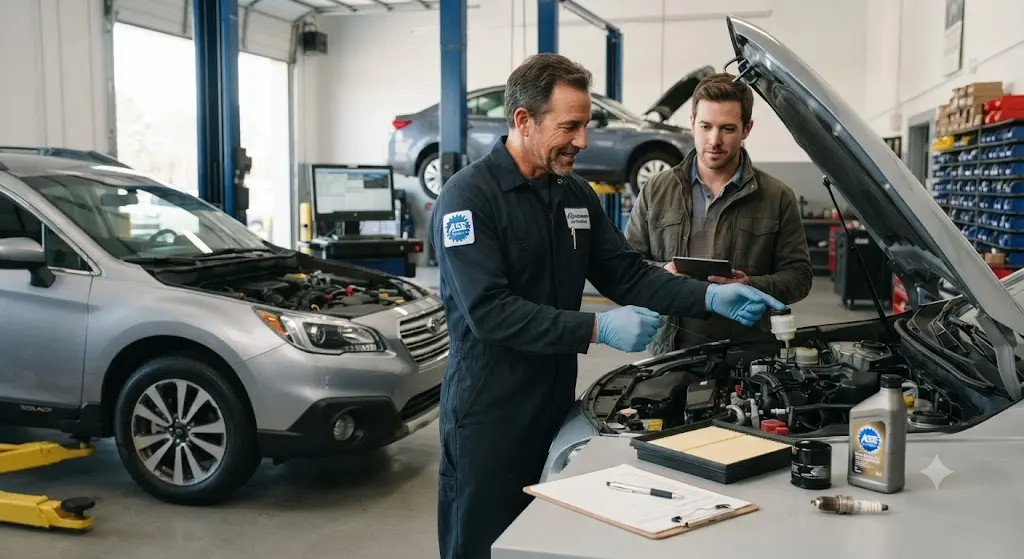
Good maintenance habits significantly improve long-term ownership.
Helpful practices include:
- Change engine oil on schedule.
- Monitor coolant levels regularly.
- Replace filters when recommended.
- Listen for unusual noises.
- Address warning lights promptly.
- Rotate tires regularly.
- Inspect brakes during servicing.
- Replace worn suspension components before they affect other parts.
Preventive maintenance almost always costs less than major mechanical repairs.
Expert Perspective
Experienced mechanics often point out that the Kia Cerato's biggest strength is its predictability.
Most mechanical issues follow normal wear patterns rather than sudden catastrophic failures. Vehicles that receive consistent maintenance generally remain dependable for many years, while neglected examples are far more likely to experience expensive repairs.
Another important point is that many reported reliability concerns online come from isolated owner experiences. Community discussions and automotive forums are useful for spotting recurring trends, but they don't necessarily represent every Cerato on the road. Looking at service records, maintenance history, and a vehicle's overall condition provides a much more accurate picture than relying on individual stories alone.
If replacement parts are needed, choosing quality components and having repairs completed correctly can make a noticeable difference in long-term reliability.
You may also find it helpful to explore our other guides on common vehicle issues and replacement parts to better understand what to expect as different models age.
Conclusion
The Kia Cerato remains one of the more dependable small cars available when maintained properly. Like every vehicle, it develops age-related wear, but most Kia Cerato mechanical problems are predictable and can often be addressed before they become major repairs.
Understanding common engine concerns, transmission behavior, suspension wear, cooling system maintenance, and routine servicing gives owners greater confidence and helps reduce unexpected repair costs.
Whether you're buying your first Cerato or maintaining one with higher mileage, staying proactive is the best approach. Paying attention to small warning signs today can help keep the vehicle reliable for many years to come.
If you're looking for replacement components or want to learn more about maintaining your vehicle, explore our additional guides and resources for practical advice on keeping your car in good condition.
FAQs
Is the Kia Cerato a reliable car?
Yes. The Kia Cerato is generally considered a reliable vehicle when serviced regularly. Most major problems are related to normal wear rather than widespread mechanical defects.
What are the most common Kia Cerato issues?
Some of the most commonly reported issues include oil leaks, ignition coil failures, suspension wear, cooling system problems, and occasional transmission concerns depending on the model and year.
Are Kia Cerato transmission problems common?
Transmission issues are not universal but can occur as mileage increases. Delayed shifting, hesitation, or harsh gear changes should be inspected early to prevent additional wear.
How often should a Kia Cerato be serviced?
Following the manufacturer's recommended service schedule is the best approach. Regular oil changes, coolant maintenance, brake inspections, and transmission servicing all contribute to long-term reliability.
Should I buy a used Kia Cerato?
A used Kia Cerato can be an excellent purchase if it has a complete service history and passes a professional pre-purchase inspection. Maintenance history is often more important than mileage alone.