Mitsubishi Triton Common Issues and Parts That Need Replacing
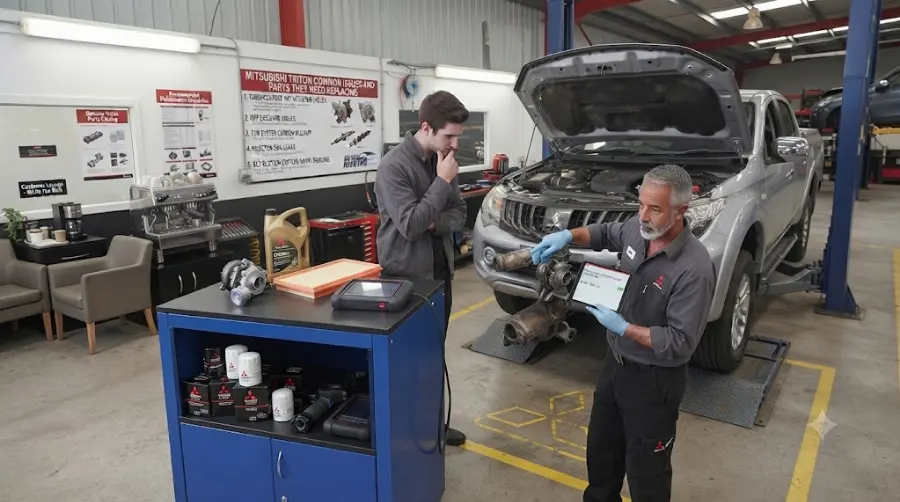
The Mitsubishi Triton has earned a solid reputation as a practical, dependable pickup that handles everything from city commuting to demanding job sites and weekend adventures. For many owners, it delivers years of reliable service with relatively low running costs.
That said, no vehicle is immune to wear and tear.
One of the biggest misconceptions about the Triton is that reliability means nothing ever goes wrong. In reality, even dependable vehicles develop maintenance needs over time. Understanding Mitsubishi Triton common issues helps you spot problems early. It's also important to know which car parts are not safe to buy second hand when replacing worn components. This knowledge can save both time and money in the long run.
Understanding the Mitsubishi Triton's Reliability
Overall, the Mitsubishi Triton has built a reputation for being one of the more dependable utes in its class. Owners often praise its strong diesel engines, capable four-wheel-drive system, and reasonable maintenance costs.
Like any vehicle, however, reliability depends on several factors:
- Regular servicing
- Driving conditions
- Towing frequency
- Load capacity
- Quality of replacement parts
- Previous owner maintenance
Many examples easily exceed 200,000 kilometers when properly maintained. Most reported issues aren't catastrophic engine failures but rather components that naturally wear over time.
This distinction matters because many Mitsubishi Triton problems are predictable and manageable with preventive maintenance.
Common Mitsubishi Triton Engine Issues
Turbocharger Wear
Diesel Tritons rely heavily on their turbocharger for performance and efficiency.
Over time, especially on higher-mileage vehicles, owners may notice:
- Reduced acceleration
- Whistling noises
- Increased exhaust smoke
- Poor fuel economy
Turbo wear often develops gradually rather than suddenly. Consistent oil changes using the correct specification help maximize turbo life.
EGR Valve Carbon Build-Up
The Exhaust Gas Recirculation (EGR) system is one of the more frequently discussed maintenance items among diesel owners.
Carbon deposits may gradually restrict airflow, leading to:
- Rough idle
- Hesitation during acceleration
- Reduced fuel efficiency
- Engine warning lights
Drivers who mainly make short trips tend to experience carbon buildup sooner than those regularly driving longer highway distances.
Cleaning or replacing the EGR valve usually restores normal performance.
Diesel Particulate Filter (DPF) Issues
Newer diesel Tritons include a Diesel Particulate Filter to reduce emissions.
The DPF requires periodic regeneration, which occurs during sustained driving.
Problems often arise when:
- The vehicle is driven only short distances.
- Regeneration cycles are interrupted.
- Warning lights are ignored.
Blocked DPF systems can reduce power and eventually require professional cleaning or replacement.
Transmission Problems to Watch For
Automatic Transmission Hesitation
Some owners report occasional delayed gear engagement or hesitation during shifting.
Possible causes include:
- Old transmission fluid
- Worn valve body components
- Software updates
- Sensor issues
Routine transmission servicing often prevents these concerns from becoming major repairs. If replacement parts are needed, understanding what a wrecking yard is and how it works can help you explore cost-effective options.
Manual Clutch Wear
Manual Tritons used for towing or off-road driving naturally place additional stress on the clutch.
Common symptoms include:
- Slipping during acceleration
- Difficulty selecting gears
- Burning smells
- High clutch engagement point
Clutch replacement becomes a normal maintenance item as mileage increases.
Suspension Components That Commonly Wear
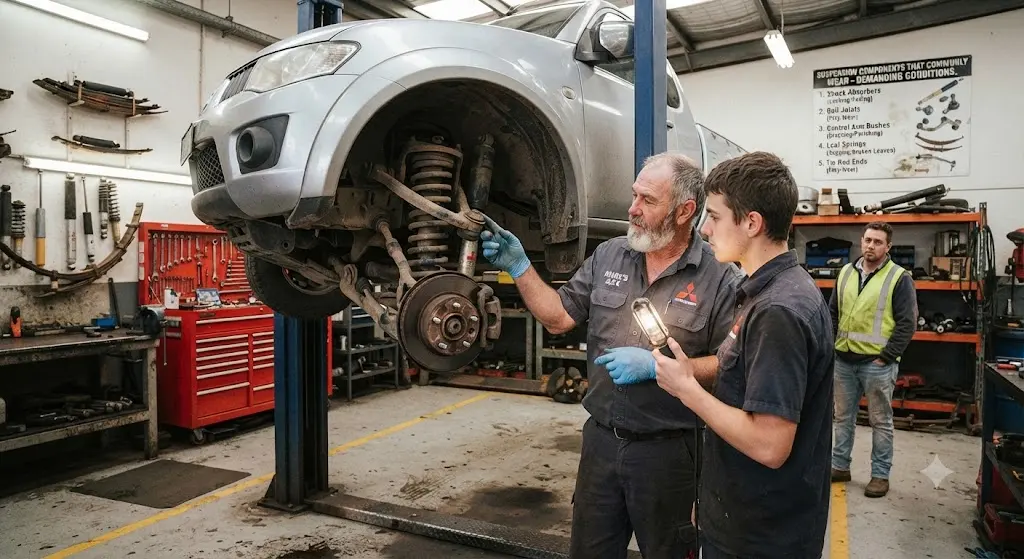
Australian roads can be demanding, especially for work vehicles carrying heavy loads.
Suspension components often experience gradual wear.
These include:
Shock Absorbers
Worn shocks may cause:
- Poor ride comfort
- Increased bouncing
- Reduced stability
- Uneven tire wear
Replacing worn shocks restores handling and braking performance.
Suspension Bushes
Rubber suspension bushes deteriorate over time because of:
- Heat
- Road conditions
- Age
- Heavy loads
Symptoms include:
- Clunking noises
- Loose steering feel
- Excess vibration
Bush replacement is common as Tritons accumulate mileage.
Ball Joints and Tie Rod Ends
Steering components gradually loosen through everyday driving.
Warning signs include:
- Steering play
- Uneven tire wear
- Front-end knocking
- Poor wheel alignment
Regular inspections help identify these parts before they become safety concerns.
Brake Components That Need Regular Replacement
Brake systems experience constant wear regardless of vehicle brand. The Triton commonly requires replacement of:
- Brake pads
- Brake rotors
- Brake fluid
- Brake hoses (on older vehicles)
Ignoring worn brakes often increases repair costs by damaging additional components. Drivers who frequently tow trailers should inspect their brakes more often than standard service intervals. If you're replacing old components, you may also wonder which car parts you can legally sell after removal.
Cooling System Maintenance
Cooling problems usually develop slowly rather than appearing without warning.
Common replacement items include:
Radiator Hoses
Rubber hoses become brittle with age.
Watch for:
- Small coolant leaks
- Soft spots
- Surface cracking
- Bulging sections
Replacing aging hoses is inexpensive compared to repairing an overheated engine.
Thermostat
A sticking thermostat may cause:
- Engine overheating
- Slow warm-up
- Fluctuating temperature gauge
Thermostats are relatively affordable and often replaced during cooling system servicing.
Water Pump
The water pump eventually wears as bearings and seals age.
Signs include:
- Coolant leaks
- Grinding noises
- Rising engine temperatures
Many mechanics recommend replacing the water pump alongside the timing belt where applicable.
Electrical Issues Owners Occasionally Experience
Electrical faults aren't among the Triton's biggest weaknesses, but some age-related problems do occur.
These may involve:
- Battery failure
- Alternator wear
- Starter motor issues
- Window switches
- Door lock actuators
- Sensor failures
Modern vehicles depend on dozens of electronic sensors, making occasional electrical repairs a normal part of ownership.
Parts That Typically Wear Faster
Several components naturally require replacement over the life of the vehicle.
These include:
- Air filters
- Fuel filters
- Cabin filters
- Wiper blades
- Drive belts
- Battery
- Tires
- Wheel bearings
- Brake pads
- Suspension bushes
Replacing these parts before complete failure usually reduces the chance of secondary damage.
Common Mitsubishi Triton Faults in Older Vehicles
As Tritons age beyond ten years or accumulate higher mileage, owners may begin noticing additional wear.
Some common Mitsubishi Triton faults include:
- Oil seepage from engine seals
- Minor coolant leaks
- Suspension fatigue
- Steering component wear
- Rust around underbody components in coastal regions
- Air conditioning performance decline
These aren't necessarily signs of poor engineering. They're typical aging-related issues shared by many utility vehicles that spend years working in demanding environments.
Used Mitsubishi Triton Problems Buyers Should Check
Buying a used Triton can represent excellent value, but inspection is essential.
Some used Mitsubishi Triton problems may not be immediately obvious during a short test drive.
Before purchasing, inspect:
Service History
Consistent servicing often matters more than low mileage.
Look for evidence of:
- Oil changes
- Timing belt replacement (where applicable)
- Transmission servicing
- Cooling system maintenance
Signs of Heavy Towing
Frequent towing places additional stress on:
- Transmission
- Suspension
- Differential
- Clutch
- Brakes
Inspect for excessive wear that suggests commercial use.
Off-Road Damage
Many Tritons spend time off-road.
Check underneath for:
- Scraped chassis rails
- Damaged skid plates
- Bent suspension parts
- Differential leaks
A properly maintained off-road vehicle isn't necessarily a bad purchase, but repairs can become expensive if damage has been overlooked.
Mitsubishi Triton Maintenance Issues That Owners Can Prevent
Many expensive repairs begin as small maintenance items. Some of the most common Mitsubishi Triton maintenance issues can be minimized through consistent care.
Helpful habits include:
- Following scheduled servicing
- Using quality engine oil
- Replacing filters on time
- Checking coolant regularly
- Monitoring tire pressure
- Listening for unusual noises
- Addressing warning lights promptly
When replacing components, remember that OEM stands for Original Equipment Manufacturer, helping ensure the correct fit and reliable performance. Small maintenance decisions often have a bigger impact than many owners realize.
Common Mistakes Owners Make
Several avoidable mistakes tend to shorten component life.
These include:
Ignoring Small Fluid Leaks
A minor oil or coolant leak rarely fixes itself.
Repairing leaks early usually costs far less than repairing engine damage later.
Delaying Brake Maintenance
Waiting until brakes begin grinding often means replacing both pads and rotors instead of only pads.
Skipping Transmission Service
Many drivers focus only on engine oil while forgetting transmission maintenance.
Fresh transmission fluid helps preserve smooth shifting and component longevity.
Using Low-Quality Replacement Parts
Cheaper parts may reduce repair costs initially but often wear faster or perform poorly.
Choosing quality replacement components usually offers better long-term value.
Why Preventive Maintenance Makes Such a Difference
Experienced mechanics often see the same pattern.
Two Tritons with similar mileage can be in completely different mechanical condition.
The difference usually comes down to maintenance rather than manufacturing quality.
Vehicles receiving regular inspections often develop fewer unexpected failures because small issues are addressed before they become major repairs.
Routine servicing also helps preserve resale value and provides greater confidence for long-distance travel or towing.
Conclusion
The Mitsubishi Triton remains one of Australia's most trusted utility vehicles for good reason. Its overall durability, capable drivetrain, and practical design have earned the confidence of both private owners and commercial fleets.
Like every vehicle, though, it has predictable wear points. Understanding Mitsubishi Triton common issues allows owners to plan maintenance, recognize early warning signs, and avoid larger repair bills.
Whether you're maintaining your current Triton or evaluating a used one, regular servicing and quality replacement parts go a long way toward keeping the vehicle dependable for years to come.
If you're unsure whether a component needs replacing, seeking advice from a qualified mechanic or sourcing reliable replacement parts can help keep your Triton performing at its best.
FAQs
Are Mitsubishi Tritons generally reliable?
Yes. The Mitsubishi Triton has a strong reputation for reliability when serviced according to the manufacturer's maintenance schedule. Many owners report dependable performance well beyond 200,000 kilometers.
What is the most common problem with a Mitsubishi Triton?
Common concerns include EGR valve carbon buildup, suspension wear, brake component replacement, and DPF issues on diesel models that are mostly driven on short trips.
Is a used Mitsubishi Triton worth buying?
A used Triton can be an excellent purchase if it has a complete service history, no significant accident damage, and evidence of regular maintenance.
How often should Mitsubishi Triton parts be inspected?
Basic inspections should be performed during routine servicing, while brakes, suspension, tires, and fluids should also be checked before long trips or heavy towing.
Which replacement parts wear out the fastest?
Brake pads, filters, suspension bushes, shock absorbers, batteries, tires, and wiper blades are among the components most commonly replaced during normal ownership.