What Is a Wrecking Yard and How Does It Work in Australia?
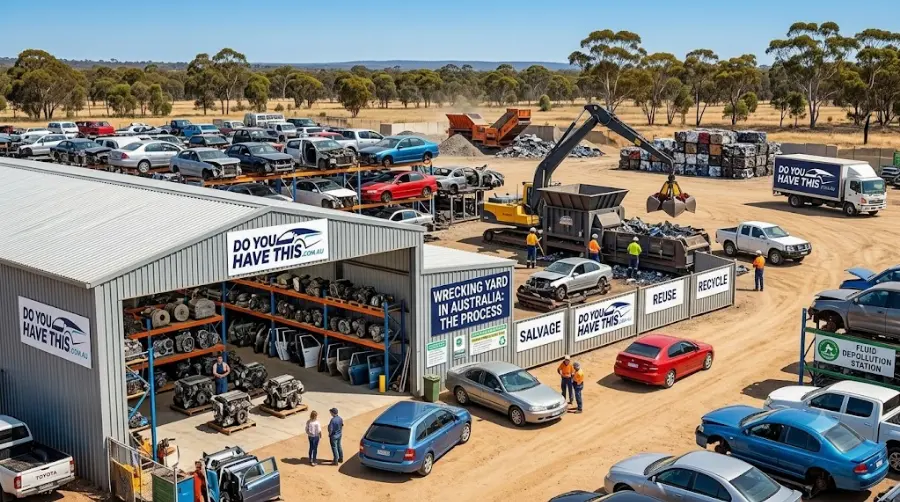
Most people know that old or damaged vehicles eventually end up at a wrecking yard. What many don't realize is that these facilities are much more than places where unwanted cars are left to rust. A modern wrecking yard plays an important role in Australia's automotive industry by recovering usable parts, recycling valuable materials, and helping reduce waste.
If you've ever wondered how a wrecking yard works in Australia, you're not alone. Whether you're selling an old vehicle, looking for affordable replacement parts, or following a Fuel Pump Replacement Guide for Australian Car Owners, understanding how wrecking yards operate can help you make informed decisions.
Licensed Australian auto wreckers safely dismantle vehicles, recover reusable parts, and recycle materials while meeting environmental standards.
This guide explains what happens inside a wrecking yard, how cars are dismantled, what parts are removed first, and why these businesses have become an essential part of sustainable vehicle ownership.
What Is a Wrecking Yard in Australia?
If you're asking what a wrecking yard is in Australia, the simplest answer is that it's a facility where end-of-life, damaged, unwanted, or written-off vehicles are dismantled so their usable components can be recovered before the remaining materials are recycled.
Unlike a scrapyard that may focus mainly on metal recycling, many Australian wrecking yards specialize in:
- Buying unwanted vehicles
- Removing reusable automotive parts
- Testing components where appropriate
- Selling quality used parts
- Recycling metals and other materials responsibly
Today's wrecking yards often work with insurance companies, repair workshops, dealerships, fleet operators, and private vehicle owners.
Instead of allowing an old vehicle to become waste, much of it can often be given a second life.
Why Wrecking Yards Matter
Modern vehicles contain thousands of components made from metal, plastic, glass, and electronics. Professional dismantling helps recover valuable materials, reduces landfill waste, and makes affordable replacement parts more accessible. Whether you're looking for engine components or using a Car Suspension Parts Guide Shocks, Struts & Control Arms- recycled parts can be a practical and sustainable option.
How Does a Wrecking Yard Work Australia?
Understanding how a wrecking yard works in Australia becomes much easier when you break the process into individual steps.
Although procedures vary between businesses, most professional wreckers follow a similar workflow.
Step 1: The Vehicle Is Purchased
The process begins when a vehicle owner decides the car is no longer worth repairing or keeping.
Common reasons include:
- Accident damage
- Mechanical failure
- Flood damage
- Fire damage
- Old age
- High repair costs
- Registration expiry
After assessing the vehicle's condition, the wrecker offers a purchase price based on factors such as:
- Make
- Model
- Year
- Overall condition
- Current demand for parts
- Scrap metal value
Step 2: Vehicle Collection
Many Australian wreckers arrange vehicle pickup.
This is especially helpful for:
- Non-running cars
- Accident-damaged vehicles
- Cars without registration
- Vehicles with engine failure
Transporting the vehicle safely prevents additional environmental risks such as leaking fluids during transit.
Step 3: Inspection and Identification
Once the vehicle arrives, technicians inspect it carefully.
They identify:
- Vehicle specifications
- Engine type
- Transmission
- VIN information
- Existing damage
- Salvageable components
This inspection determines whether the vehicle is best suited for parts recovery, metal recycling, or both.
How Do Wreckers Dismantle a car in Australia?
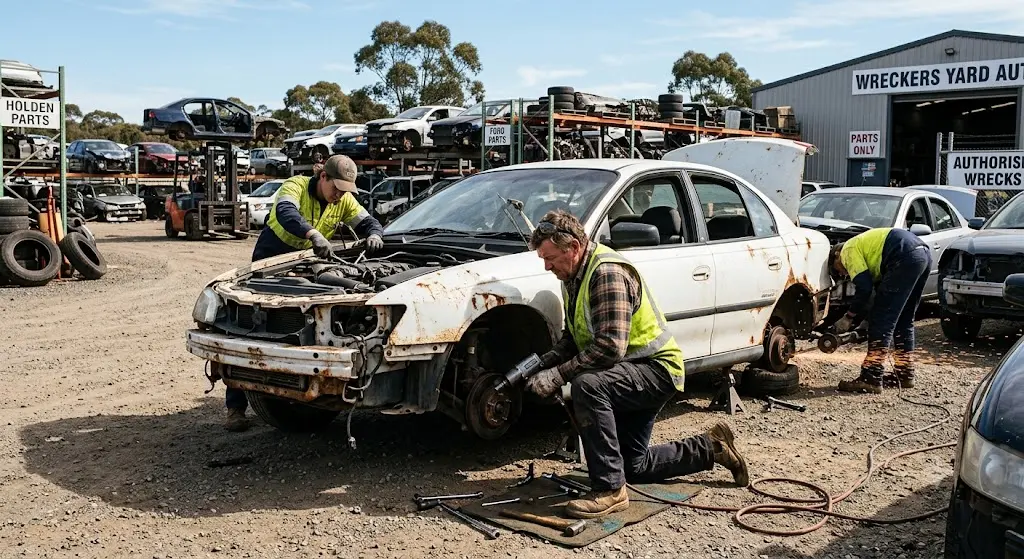
Many people ask how wreckers dismantle a car in Australia because the process is much more organized than simply pulling parts off a vehicle.
Professional dismantling follows a logical order.
Hazardous Fluids Are Removed First
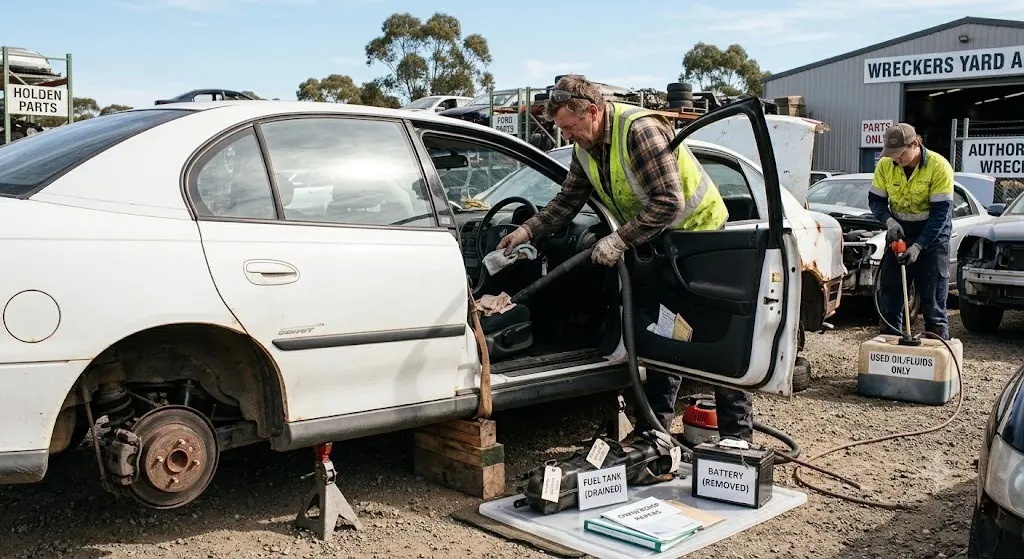
Before dismantling begins, technicians safely drain engine oil, coolant, brake fluid, transmission fluid, fuel, and air conditioning refrigerant. This process reduces environmental risks and prepares the vehicle for safe recycling.
It's one of the reasons why Mechanics Buy Cheap Car Parts in Australia, often including licensed auto wreckers that follow proper safety and environmental practices.
Battery Removal
Vehicle batteries are removed early because they contain materials requiring special recycling procedures.
Modern hybrid and electric vehicle batteries require even more specialized handling.
Wheels and Tires
Wheels and tires are often removed next.
Depending on the condition, they may be:
- Reused
- Sold separately
- Recycled
What Parts Do Wreckers Remove First?
A common question is what parts do wreckers remove first.
The answer depends on vehicle condition and market demand, but high-value components are generally prioritized.
These often include:
- Engine
- Transmission
- Alternator
- Starter motor
- Radiator
- Air conditioning compressor
- Turbocharger
- Catalytic converter
These components frequently have resale value if they're still functional.
Interior Components
The cabin contains many reusable parts.
Examples include:
- Seats
- Dashboard components
- Steering wheels
- Infotainment systems
- Airbags (where regulations allow)
- Instrument clusters
- Door trims
- Seat belts
Many of these items are difficult or expensive to replace with new parts.
Exterior Components
Body panels are also removed if undamaged.
These include:
- Doors
- Bonnet
- Boot lid
- Bumpers
- Mirrors
- Headlights
- Tail lights
- Grilles
- Fenders
Because accident damage is often limited to one area, many exterior panels remain perfectly usable.
Suspension and Mechanical Parts
Technicians also recover:
- Control arms
- Steering racks
- Shock absorbers
- Differentials
- Driveshafts
- Hubs
- Brake calipers
These parts are inspected before resale.
Auto Cars Wrecking Is More Organized Than Many People Think
The phrase auto cars wrecking often suggests vehicles are crushed right away, but that's rarely the case. Before recycling begins, technicians carefully remove reusable components.
Whether you're looking for the best car parts for DIY Car Repairs in Australia or other affordable replacements, this process helps recover quality parts, reduces waste, and gives vehicle owners value for unwanted cars.
What Happens to Parts After Removal?
After dismantling, parts don't usually go straight onto the shelf.
Most professional wreckers inspect and organize components before resale.
Many businesses:
- Clean parts
- Label inventory
- Record compatibility
- Photograph components
- Store items indoors where appropriate
This makes it easier for customers to locate compatible replacement parts.
What Cars Do Wreckers Buy in Australia?
Another common question is what cars do wreckers buy in Australia.
The short answer is nearly every type of vehicle.
This includes:
- Sedans
- SUVs
- Utes
- Vans
- Four-wheel drives
- Light commercial vehicles
Many wreckers also purchase:
- Accident-damaged cars
- Flood-damaged vehicles
- Non-running cars
- Vehicles with blown engines
- Cars without registration
- Older high-kilometre vehicles
- Insurance write-offs (subject to regulations)
Even vehicles with little resale value may still contain recyclable metals and reusable components.
Why Used Parts Are Popular
Buying recycled automotive parts has become increasingly common across Australia.
Reasons include:
Lower Cost
Used parts often cost significantly less than brand-new components.
Original Manufacturer Quality
Many buyers prefer genuine original parts over some aftermarket alternatives because they were designed specifically for the vehicle.
Better Availability
Older vehicles sometimes have discontinued parts.
Wrecking yards may be one of the few places where those components remain available.
Environmental Benefits
Every reused part reduces demand for new manufacturing while keeping usable materials in circulation.
Common Misunderstandings About Wrecking Yards
Several misconceptions still exist.
Everything Is Scrap
Only the remaining shell becomes scrap after reusable components have been removed.
Large portions of many vehicles are reused.
Parts Are Never Tested
While practices vary, reputable wreckers inspect parts and often provide information about their condition before sale.
Old Cars Have No Value
Even vehicles that cannot be driven may contain valuable engines, transmissions, electronic modules, catalytic converters, or recyclable metals.
Every Part Can Be Reused
Not every component is suitable for resale.
Parts that are damaged, unsafe, or excessively worn are typically recycled instead.
Practical Tips Before Selling Your Car to a Wrecker
If you're planning to sell an unwanted vehicle, a little preparation can make the process smoother.
Remove Personal Belongings
Before handing over your vehicle, check the glove box, center console, under the seats, trunk, and door pockets for personal belongings. While reviewing The Difference Between OEM and Aftermarket Car Parts, it's just as important to make sure you haven't left behind anything valuable in the vehicle.
Gather Documentation
Having ownership documents available helps verify the vehicle and simplifies the transaction.
Know the Vehicle's Condition
Providing accurate information about accident damage, missing parts, or mechanical issues helps ensure a fair assessment.
Ask Questions
It's reasonable to ask:
- How is the vehicle valued?
- Will it be dismantled or recycled?
- Are parts reused?
- How is the vehicle collected?
Transparent businesses are usually happy to explain the process.
Expert Perspective: Why Professional Dismantling Matters
Proper dismantling is about much more than removing parts.
Experienced wreckers understand:
- Safe handling of hazardous materials
- Vehicle identification
- Parts compatibility
- Recycling requirements
- Inventory management
- Environmental responsibilities
This knowledge helps maximize recovery while reducing unnecessary waste.
For vehicle owners, that means the process is generally more efficient, responsible, and transparent than many people expect.
Conclusion
Understanding how a wrecking yard works in Australia shows that modern auto wreckers are an important part of the automotive lifecycle.
Rather than simply crushing old vehicles, professional wrecking yards carefully inspect, dismantle, recover, and recycle valuable components. From safely removing fluids to salvaging engines, body panels, electronics, and recyclable metals, every step is designed to recover as much value as possible while reducing environmental impact.
Whether you're selling an unwanted car, searching for affordable replacement parts, or simply learning how automotive recycling works, knowing what happens inside a wrecking yard makes the entire process easier to understand.
If you'd like to learn more about automotive recycling or finding quality recycled parts, explore the other vehicle guides available on our website.
FAQs
How long does it take to dismantle a car at a wrecking yard?
The time depends on the vehicle's condition and the parts being recovered. A straightforward dismantling process may take several hours, while more detailed recovery and inventory work can take longer.
Can I sell a car that doesn't run?
Yes. Many Australian wrecking yards purchase non-running vehicles, including those with engine, transmission, or accident damage.
Are used parts from wrecking yards reliable?
Many professional wreckers inspect and identify reusable components before offering them for sale. Availability and condition vary, so it's always worth asking about the part's history and compatibility.
What happens to the metal after dismantling?
Once reusable parts have been removed, the remaining vehicle shell is typically crushed and sent to metal recycling facilities where the materials are processed for future manufacturing.
Do wrecking yards only buy old vehicles?
No. Wreckers buy vehicles of many ages, including accident-damaged, flood-damaged, mechanically failed, and insurance write-off vehicles, depending on their condition and applicable regulations.