What Car Parts Can You Legally Sell in Australia
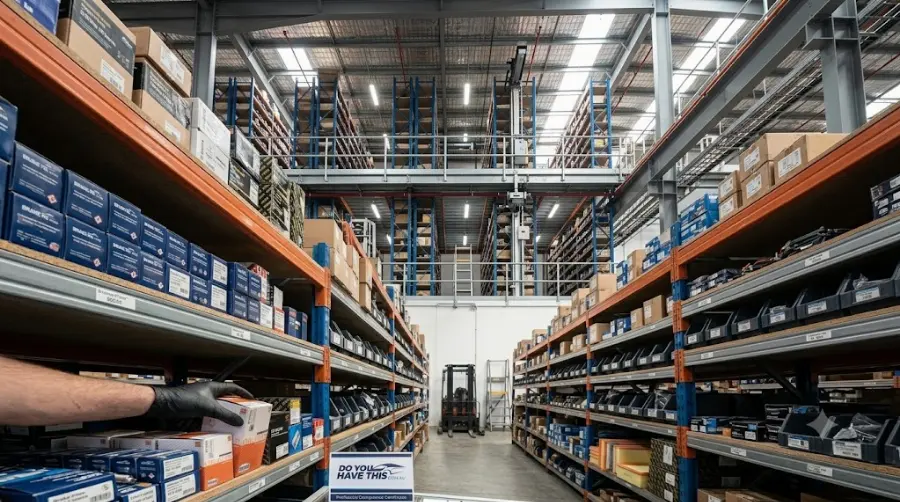
Selling used car parts is a practical way to recover value from an old vehicle while helping other drivers find affordable replacement components. Whether you're dismantling your own car, clearing out a garage, or running an automotive business, the market for used parts continues to grow across Australia.
However, one question often causes confusion: what car parts can be sold legally in Australia?
Many people believe they can sell any part from their vehicle, but Australian laws restrict certain components for safety and legal reasons. Knowing these rules helps protect both buyers and sellers.
Whether you're buying or selling auto parts through DoYouHaveThis.com.au, understanding what can legally be sold is essential. This guide explains which car parts are legal to sell in Australia and the restrictions you should know.
Why Australia Regulates the Sale of Car Parts
Australia has strict vehicle safety standards designed to reduce accidents, discourage vehicle theft, and protect the environment.
When used parts enter the market without proper controls, several problems can occur:
- Stolen vehicle parts become harder to trace.
- Unsafe components may be installed on road vehicles.
- Environmental hazards increase through improper disposal.
- Vehicles may no longer meet Australian Design Rules (ADR).
Because of these risks, regulations differ depending on the type of component being sold.
Most Car Parts Can Be Sold Legally
The good news is that many used vehicle parts can be legally sold when they come from a legitimately owned vehicle and are accurately described.
Common examples include:
- Doors
- Bonnets
- Boot lids
- Bumpers
- Mirrors
- Grilles
- Headlights
- Tail lights
- Interior trim
- Dashboard panels
- Seats
- Wheels (if compliant)
- Steering wheels (without illegal modifications)
- Alternators
- Starter motors
- Air conditioning compressors
- Radiators
- Suspension components
- Gearboxes
- Engines (with identification where required)
These parts are regularly sold by wreckers, dismantlers, repair shops, and private owners across Australia.
The key requirement is honest representation. Buyers should know the condition, compatibility, and history of the part whenever possible.
Is It Legal to Sell Used Car Parts in Australia?
One of the most common questions is:
Is it legal to sell used car parts in Australia?
In most situations, yes.
Selling used automotive parts is legal provided that:
- You legally own the vehicle or component.
- The part wasn't obtained unlawfully.
- It complies with applicable Australian regulations.
- The description isn't misleading.
- Environmental rules are followed where necessary.
Commercial dismantlers often keep detailed records showing where parts originated. As explained in How Auto Wreckers Source Quality Used Car Parts, proper documentation helps ensure parts are legally obtained and traceable. While private sellers may not always be required to maintain the same level of records, keeping receipts and proof of ownership is still good practice. It builds buyer confidence and can help resolve ownership disputes if they arise.
Parts That May Have Legal Restrictions
Not every component can simply be removed and sold.
Some parts involve additional legal responsibilities.
Airbags
Airbags are safety devices designed to work only under specific conditions.
Selling used airbags can be heavily regulated because:
- They may have already deployed.
- Storage requirements can apply.
- Transportation rules may exist.
- Incorrect installation creates serious safety risks.
Many buyers prefer certified replacement airbags rather than unknown used units.
Seat Belts
Seat belts are a critical safety system, and a damaged or previously stressed belt may look normal while no longer providing proper protection in a collision. Although Car Parts That Australians Replace the Most often include wear-and-tear components, used seat belts are more heavily regulated because their history and condition cannot always be verified.
Child Restraint Components
Components designed specifically for child restraint systems are also subject to strict safety expectations.
Selling damaged or incomplete restraint parts can create significant liability concerns.
Electronic Control Modules
Modern vehicles contain numerous electronic modules.
These may legally be sold, but sellers should disclose whether:
- Security coding is required.
- Programming is necessary.
- Vehicle compatibility is limited.
Clear descriptions help prevent expensive installation problems.
What Car Parts Are Illegal to Sell in Australia?
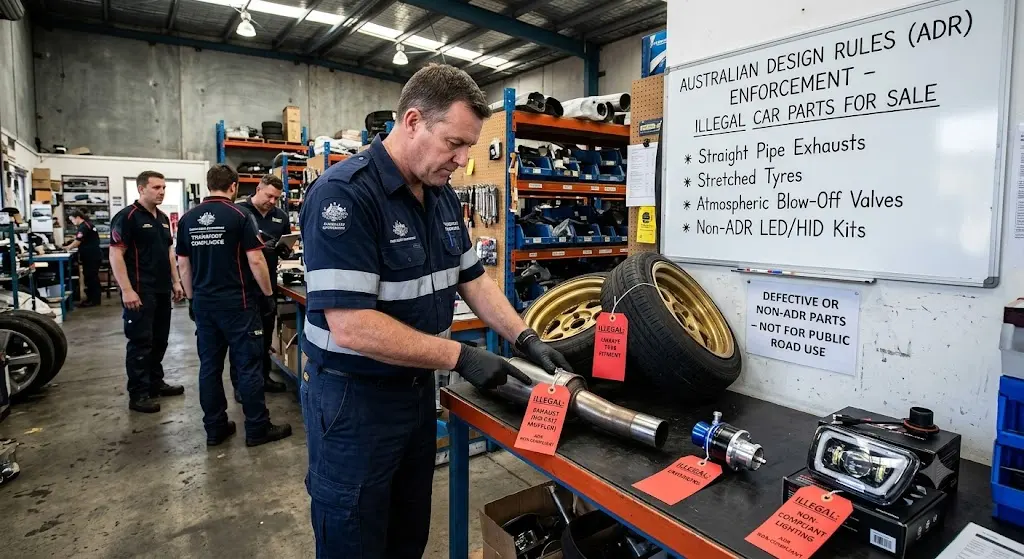
Another common question is:
What car parts are illegal to sell in Australia?
The answer depends on federal, state, and territory regulations, but examples may include:
Stolen Vehicle Parts
Any component removed from a stolen vehicle cannot legally be sold.
Law enforcement agencies actively investigate stolen vehicle identification numbers (VINs), engine numbers, and dismantled components.
Counterfeit Parts
Fake automotive components marketed as genuine manufacturer parts are illegal.
Counterfeit products often fail to meet required safety standards.
Tampered Identification Plates
Selling identification plates, VIN plates, or altered compliance labels may be illegal because they can facilitate vehicle fraud.
Illegal Emissions Equipment
Certain emissions control components removed to bypass pollution regulations may also be restricted.
Examples may include modified catalytic converters or emissions defeat devices.
Unsafe Modified Safety Equipment
Heavily modified safety systems that no longer comply with Australian regulations should not be marketed as roadworthy replacements.
Understanding ADR Compliance
One phrase frequently appears when discussing automotive components:
ADR compliance car parts Australia
ADR stands for Australian Design Rules, which set national standards for vehicle safety, emissions, braking, lighting, and more. Whether you're replacing parts locally or considering Car Parts Shipping Across Australia, it's important to ensure the installed components allow the vehicle to remain ADR compliant where required.
Examples include:
- Lighting assemblies
- Wheels
- Seat assemblies
- Steering components
- Suspension parts
- Brake systems
Installing non-compliant parts can affect:
- Roadworthiness inspections
- Insurance claims
- Vehicle registration
- Driver safety
When selling aftermarket components, providing information about compatibility and compliance helps buyers make informed decisions.
Can You Sell Car Batteries Legally in Australia?
Another common question is:
Can you sell car batteries legally in Australia?
Yes, in many cases.
However, automotive batteries require careful handling because they contain:
- Lead
- Sulfuric acid
- Hazardous materials
Commercial sellers often participate in battery recycling programs.
If you're selling a used battery:
- Describe its condition honestly.
- Store it safely.
- Prevent leaks.
- Follow local recycling requirements if it's no longer usable.
Old batteries should never be disposed of with general household waste.
Australia has extensive battery recycling systems designed to recover valuable materials while reducing environmental harm.
Selling Engines and Gearboxes
Engines and transmissions remain among the most valuable used vehicle components.
Before selling:
- Record engine numbers.
- Confirm ownership.
- Note mileage where known.
- Describe any faults honestly.
- Include compatibility information.
Professional dismantlers often compression-test engines or inspect gearboxes before sale, giving buyers greater confidence.
Catalytic Converters Require Extra Attention
Catalytic converters contain valuable precious metals.
Because of increasing theft, many jurisdictions have introduced stricter rules around buying and selling these components.
Keeping proof of ownership and documenting where the converter came from is increasingly important.
Commercial buyers may refuse undocumented catalytic converters altogether.
Common Mistakes Sellers Make
Many legal problems arise from simple misunderstandings rather than intentional wrongdoing.
Some of the most common mistakes include:
Selling Without Confirming Ownership
If ownership cannot be demonstrated, buyers may become suspicious.
Always retain receipts or registration records whenever possible.
Misrepresenting Condition
A used part should never be advertised as new.
Likewise, damaged components should be disclosed honestly.
Clear descriptions reduce returns and disputes.
Ignoring Compatibility
Two parts may appear identical while fitting completely different vehicles.
Including:
- Make
- Model
- Year
- Engine type
- VIN compatibility
Helps buyers avoid purchasing the wrong component.
Forgetting Environmental Responsibilities
Fluids should be drained safely before dismantling components.
Oil, coolant, fuel, and refrigerants require proper disposal under environmental regulations.
What Buyers Usually Misunderstand
Buyers sometimes assume every used part has been professionally tested, but testing standards vary. Whether you're buying major components or following a Car Taillights & Headlights Replacement Guide, it's important to ask if the part has been tested, has been removed from a running vehicle, includes a warranty, or has any known faults. Clear communication helps both buyers and sellers make informed decisions.
Why Proper Handling Matters

Experienced automotive dismantlers understand more than simply removing parts.
They know how to:
- Preserve valuable components during removal.
- Identify hidden damage.
- Store parts correctly.
- Keep ownership records.
- Meet environmental obligations.
- Understand changing regulations.
These practices help create a safer marketplace for everyone.
Private sellers can adopt many of these same habits even when selling only a few components.
Simple steps like accurate labeling, careful storage, and honest descriptions significantly improve buyer confidence.
Tips for Selling Car Parts Responsibly
Before listing any automotive component for sale:
- Confirm you legally own the part.
- Identify the exact make and model compatibility.
- Take clear photographs.
- Mention any defects honestly.
- Keep purchase or ownership records.
- Research whether the component has additional legal restrictions.
- Package hazardous items safely.
- Follow local environmental requirements.
These small efforts reduce misunderstandings and help transactions proceed smoothly.
Conclusion
Understanding what car parts can be sold legally in Australia isn't simply about avoiding legal trouble, it's about supporting safer roads, protecting buyers, and maintaining confidence in the used automotive market.
Most everyday vehicle components can be legally sold when ownership is clear and descriptions are accurate. However, safety equipment, identification-related parts, hazardous materials, and regulated components deserve extra attention.
If you're ever unsure whether a specific part has restrictions, checking current federal, state, or territory guidance before selling is always the safest approach.
Whether you're selling one spare part from your garage or managing a larger inventory, a little research today can prevent unnecessary problems tomorrow.
FAQs
1. Is it legal to sell used car parts in Australia?
Yes. Most used car parts can be legally sold if you own them, describe them accurately, and comply with relevant Australian laws and environmental requirements.
2. What car parts are illegal to sell in Australia?
Examples include stolen vehicle parts, counterfeit components, tampered VINs or compliance plates, and certain modified emissions or safety equipment that violates regulations.
3. Can you sell car batteries legally in Australia?
Yes, but batteries contain hazardous materials. They should be stored, transported, and recycled according to applicable environmental regulations.
4. Do used car parts need ADR approval?
Not every used part requires separate approval, but replacement parts should allow the vehicle to remain compliant with Australian Design Rules where applicable.
5. Should I keep proof of ownership when selling car parts?
Yes. Keeping receipts, registration documents, or other ownership records helps demonstrate that the parts were obtained legally and can protect both buyers and sellers.