What Car Parts Are Not Safe to Buy Second Hand
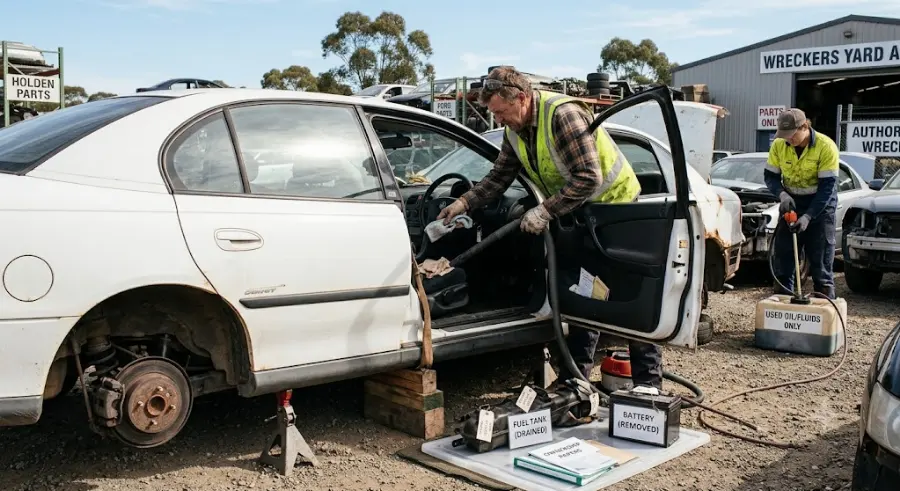
Buying used car parts can be one of the smartest ways to reduce repair costs. Many second-hand components still have years of reliable service left in them, especially when they come from reputable automotive recyclers. However, not every part belongs in that category.
Some vehicle components are critical to your safety, while others can wear out in ways that aren't always visible. Although buying used parts may save money, it can also increase the risk of mechanical failure.
Whether you're reading a Car Electrical Parts Guide Alternators, Starters & Sensors or shopping for replacement components, knowing which used parts are unsafe is essential. This guide explains which parts to avoid, why they're risky, and which used components are generally safe to buy from trusted sellers.
Why Some Used Car Parts Are Safe, and Others Aren't
Not all automotive parts age the same way.
A used door, mirror, or interior trim panel may function just as well as a brand-new replacement. These parts typically don't experience the same stress as components responsible for braking, steering, or protecting occupants during a crash.
Safety-critical components are different.
Many are engineered to work only once, such as airbags and seatbelt pretensioners. Others gradually wear down through heat, friction, or repeated mechanical stress. Even if they appear to be in good condition, their internal performance may already be compromised.
That's why experienced mechanics often separate reusable parts from components that should always be replaced with new ones.
Understanding Safety-Critical Car Parts
When discussing safety-critical car parts Australia motorists should pay close attention to, we're referring to components directly responsible for preventing accidents or reducing injuries during one.
These generally include:
- Airbags
- Brake pads and brake rotors
- Brake hoses
- Seatbelts
- Steering components
- Suspension parts with structural damage
- Tires
- Child restraint anchor hardware
- Electronic safety sensors
Failure in any of these systems can have immediate consequences.
Used Airbags: A Risk That's Often Hidden
One of the most common questions people ask is:
Is it safe to buy used airbags in Australia?
In almost every situation, the safest answer is no.
Airbags are carefully engineered explosive safety devices. Once removed from a vehicle, it becomes extremely difficult to verify:
- Whether they've previously deployed
- Whether they've been improperly stored
- Whether moisture has damaged internal electronics
- Whether they're genuine manufacturer parts
- Whether they've been replaced with counterfeit units
Counterfeit airbags are a serious safety concern because they may fail to deploy correctly or deploy with dangerous force.
As explained in the Difference Between OEM and Aftermarket Car Parts, choosing the correct, verified replacement is essential. If your vehicle needs a new airbag, always buy it through a trusted supplier that can confirm its origin and compatibility.
Used Brake Pads Are Rarely Worth the Savings
Another frequent question is:
Is it safe to buy used brake pads in Australia?
Again, the answer is generally no.
Brake pads wear every time you stop your vehicle. Their remaining life depends on:
- Driving habits
- Vehicle weight
- Heat exposure
- Material quality
- Previous maintenance
Even if used brake pads still have visible material left, you don't know:
- Whether they've overheated
- Whether they've developed uneven wear
- Whether the friction material has deteriorated
- Whether contamination has reduced stopping performance
Considering that new brake pads are relatively affordable compared to the cost of brake failure, they're one of the easiest safety investments you can make.
Tires Can Hide Dangerous Problems
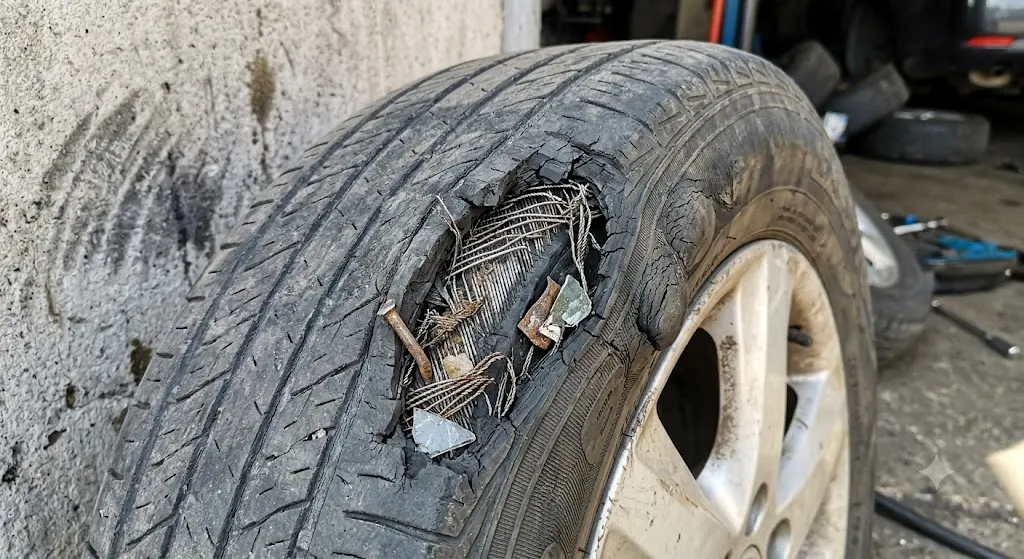
Used tires often look acceptable at first glance.
However, internal damage isn't always visible.
Potential concerns include:
- Hidden impact damage
- Internal belt separation
- Sidewall weakening
- Dry rot
- Excessive age
- Uneven wear patterns
Australian roads expose tires to high temperatures, long highway distances, and rough surfaces. Heat alone accelerates rubber deterioration, even if tread depth appears acceptable.
Always verify:
- Manufacturing date
- Tread depth
- Sidewall condition
- Repair history
If there's any uncertainty, replacing tires with new ones is the safer choice.
Seatbelts Lose Reliability After Serious Accidents
Seatbelts are designed to stretch during significant collisions.
Some modern vehicles use seatbelt pretensioners that activate during a collision. As highlighted in the Car Electrical Parts Guide, many modern safety systems rely on components working together. Once a seatbelt has experienced crash forces, hidden damage may prevent it from performing properly, making used seatbelts from unknown vehicles a risky choice.
Brake Hoses and Hydraulic Components
Rubber brake hoses deteriorate over time.
They experience:
- Heat
- Pressure
- Moisture
- Road debris
- Chemical exposure
A used brake hose may appear perfectly fine externally while developing internal cracks that restrict brake fluid flow or eventually rupture.
The cost savings rarely justify the potential consequences.
Steering Components Should Be Purchased Carefully
Your steering system keeps the vehicle under control.
Parts such as:
- Tie rod ends
- Ball joints
- Steering racks
- Steering columns
Experience constant stress.
Wear may not be obvious until failure occurs.
If purchasing used steering components, they should only come from reputable automotive recyclers who thoroughly inspect and grade their inventory. Even then, many mechanics recommend new replacement parts whenever practical.
Suspension Parts Need Careful Inspection
Some suspension components can safely be reused if they're structurally sound.
Others should be replaced.
Avoid used:
- Shock absorbers with leaks
- Worn struts
- Cracked springs
- Damaged control arms
- Rusted mounting hardware
These components directly affect braking, steering, handling, and tire wear.
Electrical Safety Components
Modern vehicles rely heavily on electronic safety systems.
These include:
- ABS modules
- Airbag sensors
- Radar sensors
- Cameras
- Stability control components
Improper handling, incorrect programming, or previous damage can affect how these systems function.
Compatibility between different model years can also create problems.
Professional diagnosis is usually necessary before replacing these parts.
How to Spot Fake Car Parts in Australia
One growing concern is how to spot fake car parts Australia buyers may unknowingly purchase through online marketplaces. Counterfeit parts can closely resemble genuine products while using inferior materials.
Whether you're shopping for mechanical components or Car Body Parts Australia, always buy from trusted suppliers who can verify the quality and authenticity of the parts.
Warning signs include:
Prices That Seem Too Good
If a safety component costs dramatically less than every other listing, proceed carefully.
Missing Manufacturer Packaging
Original equipment parts typically include:
- Proper labels
- Part numbers
- Security markings
- Professional packaging
Poor-quality boxes or missing labels may indicate counterfeit products.
No Part History
Reputable suppliers can usually explain:
- Which vehicle the part come from
- Vehicle compatibility
- Inspection process
Unknown history increases uncertainty.
Poor Build Quality
Watch for:
- Rough casting
- Cheap plastics
- Incorrect logos
- Poor welding
- Uneven finishes
These may indicate imitation parts.
Common Mistakes Buyers Make
Many buyers unintentionally increase risk by focusing only on price.
Some of the most common mistakes include:
Assuming Every Used Part Is the Same
Different components have very different lifespans.
A used mirror isn't comparable to a used airbag.
Buying From Unknown Sellers
Private online listings may provide little information about:
- Mileage
- Accident history
- Storage conditions
- Authenticity
Established recyclers generally inspect, catalogue, and identify parts more carefully.
Ignoring Compatibility
Even parts that physically fit may have different sensors, software, or specifications.
Always confirm compatibility using your vehicle's VIN or manufacturer information.
Skipping Professional Installation
Incorrect installation can make even new parts unsafe.
Safety systems often require calibration or diagnostic testing after replacement.
Which Used Parts Are Usually Safe to Buy?
While many people focus on second-hand car parts to avoid Australia, it's equally helpful to know which components are often good candidates for reuse.
Examples include:
- Doors
- Hoods
- Tailgates
- Mirrors
- Glass
- Seats (unless airbags are integrated)
- Interior trim
- Dashboard panels
- Alloy wheels (after inspection)
- Body panels
- Some engine accessories
- Alternators and starter motors (when tested)
Purchasing these parts from reputable automotive recyclers can significantly reduce repair costs without introducing unnecessary safety concerns.
Why Professional Inspection Matters
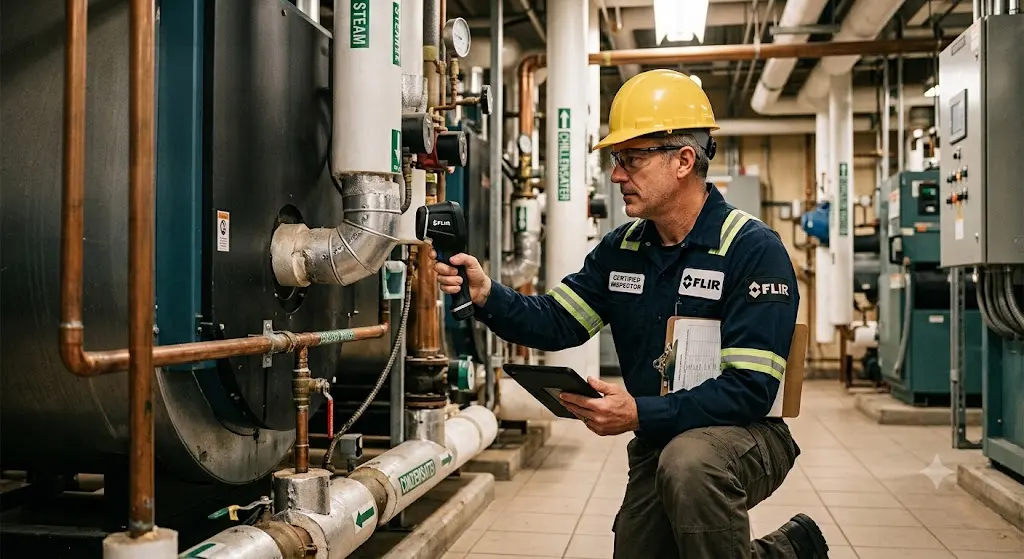
Even experienced DIY mechanics cannot identify every hidden defect through a visual inspection alone.
Whether you're restoring a classic vehicle with Vintage Car Parts Australia or replacing modern components, professional workshops have the tools, manufacturer data, and repair procedures needed to ensure critical systems are installed and functioning safely.
Choosing a Reliable Supplier
A trustworthy supplier should provide:
- Accurate vehicle compatibility information
- Clear part descriptions
- Honest condition grading
- Warranty where appropriate
- Proper identification labels
Good suppliers understand that customer safety matters more than making a quick sale.
If you're unsure whether a particular component is suitable for reuse, asking questions before purchasing can prevent expensive mistakes later.
Final Thoughts
Buying second-hand car parts can be an excellent way to keep repair costs under control, but knowing where to draw the line is essential.
Components like body panels, mirrors, and many non-critical mechanical parts often offer excellent value when sourced responsibly. However, airbags, brake pads, seatbelts, brake hoses, and other critical safety systems should generally be purchased new or through carefully verified channels.
Making informed decisions protects not only your vehicle but everyone who rides in it.
If you're ever uncertain about a replacement part, speak with a trusted automotive professional or reputable vehicle recycler before making a purchase. A little extra caution today can help prevent much bigger problems down the road.
FAQs
Can I legally buy used airbags in Australia?
Used airbags may be available in some situations, but verifying their history, storage conditions, and authenticity is extremely difficult. For safety reasons, many professionals recommend using new or manufacturer-approved replacement airbags.
Are second-hand brake pads ever worth buying?
Generally, no. Brake pads are wear items, and their previous use cannot be fully assessed. New brake pads provide far greater confidence for a relatively small additional cost.
What are the safest used car parts to purchase?
Body panels, mirrors, interior trim, doors, glass, and some tested mechanical accessories are often considered reasonable second-hand purchases when sourced from reputable automotive recyclers.
How can I tell if a car part is counterfeit?
Look for unusually low prices, poor packaging, missing manufacturer labels, incorrect part numbers, and low-quality materials or finishes. Buying from trusted suppliers helps reduce this risk.
Should I install safety-related parts myself?
Unless you have the necessary training and equipment, safety-critical parts should be installed and inspected by qualified professionals to ensure they function correctly.