How to Tell If a Used Car Part Will Fit Your Vehicle
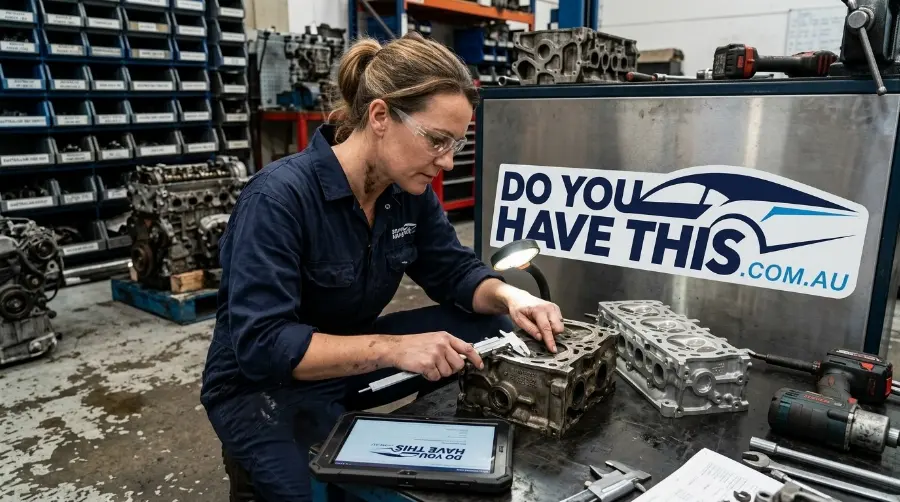
Buying a used car part can be a smart way to save money without sacrificing quality. Whether you're replacing a damaged headlight, upgrading an alternator, or searching for a hard-to-find body panel, used parts often provide excellent value.
The challenge is knowing whether the part you're buying will actually fit your vehicle.
Many people assume that if two cars look the same, their parts are interchangeable. In reality, small differences between model years, trim levels, engine options, and manufacturing updates can make one part fit perfectly while another won't fit at all.
That's why it's important to verify compatibility before you buy car parts online in Australia, helping you avoid costly mistakes and ensuring the replacement part matches your vehicle correctly.
Understanding how to check used car parts compatibility before making a purchase helps you avoid wasted money, unnecessary returns, and frustrating installation problems. This guide explains the process in simple terms so you can buy with greater confidence.
Why Compatibility Matters More Than Price
Finding a used part at an attractive price can be exciting, but the cheapest option isn't always the best value.
An incompatible part may:
- Require expensive modifications
- Fail to install correctly
- Cause warning lights or system errors
- Reduce vehicle performance
- Create safety concerns
- Lead to additional repair costs
Spending a few extra minutes verifying compatibility is usually far less expensive than replacing the wrong part later.
Start With Your Vehicle Identification Number (VIN)
One of the most reliable ways to identify compatible parts is by using your Vehicle Identification Number (VIN).
The VIN contains detailed information about your vehicle, including:
- Manufacturer
- Model
- Production year
- Engine type
- Transmission
- Factory-installed options
Because many manufacturers produce several variations of the same model, the VIN helps identify the exact configuration your vehicle left the factory with.
Many professional dismantlers and parts suppliers use the VIN to confirm compatibility before recommending a replacement part. If you're replacing a transmission, it's also helpful to understand how to check if a second-hand gearbox is in good condition, since choosing the right fit is only part of ensuring reliable performance.
Know Your Vehicle's Exact Specifications
Even without the VIN, you should gather as much information as possible about your vehicle.
Important details include:
- Make
- Model
- Year
- Engine size
- Fuel type
- Transmission type
- Trim level
- Drive type (FWD, RWD, AWD, or 4WD)
For example, two vehicles from the same year may use different brake systems depending on the engine package or trim level.
These differences often aren't visible from the outside.
Check the Original Part Number
One of the simplest ways to verify compatibility is by comparing the Original Equipment Manufacturer (OEM) part number.
The original part often has a manufacturer number stamped, printed, or labeled directly on it.
Matching OEM numbers provides strong evidence that the replacement part is designed for the same application.
Keep in mind that manufacturers occasionally replace older part numbers with updated versions.
Reliable parts suppliers usually have cross-reference systems that identify compatible replacements. Understanding these updates is especially important when replacing major components, particularly if you're wondering why modern engines often last longer than expected and want a compatible replacement that delivers similar long-term reliability.
Understand That Fits Doesn't Always Mean Identical
Many aftermarket listings say a part "fits" multiple vehicles.
That doesn't necessarily mean every version is identical.
Some parts may require:
- Minor adjustments
- Different mounting hardware
- Software programming
- Additional brackets
- Sensor calibration
Reading the complete compatibility information helps prevent surprises during installation.
Model Years Can Be Misleading
A common mistake is assuming every vehicle from the same generation uses identical parts.
Manufacturers frequently introduce changes during production runs, including:
- Updated electronics
- Different connectors
- Revised mounting points
- Improved safety systems
- Engine revisions
For example, a headlight from an early production model may look nearly identical to one from a later version but use completely different wiring.
Always verify compatibility beyond the model year alone.
Compare Photos Carefully
Good photographs provide valuable clues.
Before purchasing, compare:
- Mounting holes
- Bolt locations
- Wiring connectors
- Shape and dimensions
- Sensor positions
- Cooling fins
- Brackets
- Hose connections
Small differences often indicate that two parts are not interchangeable.
If listing photos are unclear, ask for additional images before buying.
Check for Engine and Transmission Differences
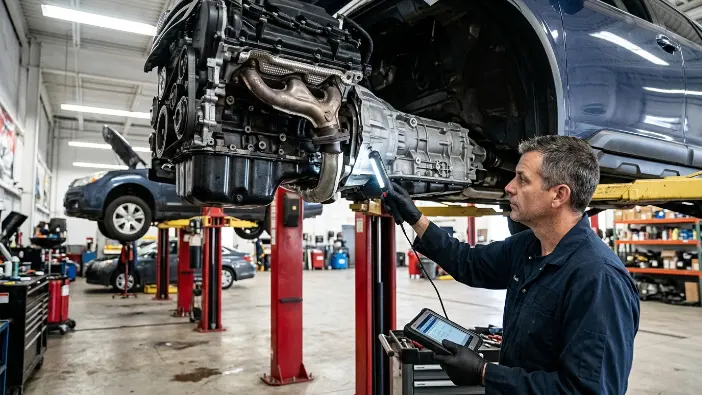
Mechanical components are often engine-specific.
Examples include:
- Alternators
- Starter motors
- Radiators
- Water pumps
- Intake manifolds
- Exhaust components
- Air conditioning compressors
Similarly, automatic and manual transmission vehicles frequently use different parts.
Verifying your drivetrain is an essential step when learning how to check used car parts compatibility. It's also one of the reasons car part numbers matter, as matching the correct part number helps ensure the replacement component fits and functions properly.
Electronic Parts Require Extra Attention
Modern vehicles contain dozens of electronic control systems.
Parts such as:
- Engine control modules
- Body control modules
- Instrument clusters
- Parking sensors
- Cameras
- Infotainment systems
may require programming after installation.
Even physically identical components may not function correctly without software matching or coding.
If you're replacing an electronic part, ask whether programming is required before purchasing.
Research Cross-Compatible Vehicles
Some manufacturers use the same components across multiple models.
For example, one engine may appear in several vehicles over several years.
This means parts can sometimes be interchangeable across different models.
Professional salvage yards often use interchange databases that identify compatible donor vehicles.
Knowing which vehicles share components can expand your options while still ensuring proper fitment.
Ask Questions Before Buying
Don't hesitate to ask the seller for additional information.
Useful questions include:
- Which vehicle was this removed from?
- What is the VIN of the donor vehicle?
- Can you provide the OEM part number?
- Has the part been tested?
- Are there any damaged mounting points?
- Is everything included?
- Has the part been repaired previously?
Reputable sellers are usually happy to answer reasonable questions.
Inspect Used Parts Carefully
Compatibility isn't the only consideration.
The condition of the part matters just as much.
Check for:
- Cracks
- Rust
- Corrosion
- Bent brackets
- Broken connectors
- Fluid leaks
- Excessive wear
- Missing hardware
A compatible part in poor condition may not provide good value.
Common Mistakes Buyers Make
Buying Based Only on Appearance
Two parts may look almost identical while having different internal components. Always verify specifications instead of relying on appearance.
Ignoring Trim Levels
Luxury trims often include additional sensors, lighting systems, or electronic features. These differences can affect compatibility.
Forgetting Mid-Year Changes
Manufacturers sometimes update parts without changing the model year. Production date can matter just as much as the registration year. Even when choosing the best car parts for DIY car repairs, it's important to verify the production date to ensure the replacement part is the correct fit for your vehicle.
Assuming Aftermarket Listings Are Always Accurate
Online compatibility tools are helpful but not perfect.
Double-check critical information whenever possible.
Not Checking Return Policies
Even experienced buyers occasionally receive an incorrect part.
Understanding the return process provides peace of mind if something doesn't fit.
Practical Tips for First-Time Buyers
If you're purchasing a used part for the first time, keep this simple checklist handy:
- Record your VIN.
- Confirm your vehicle's engine and transmission.
- Compare OEM part numbers.
- Review clear photos.
- Ask questions before buying.
- Inspect the part upon arrival.
- Verify return options before installation.
These small steps significantly reduce the chance of ordering the wrong component.
Why Experienced Suppliers Make the Process Easier
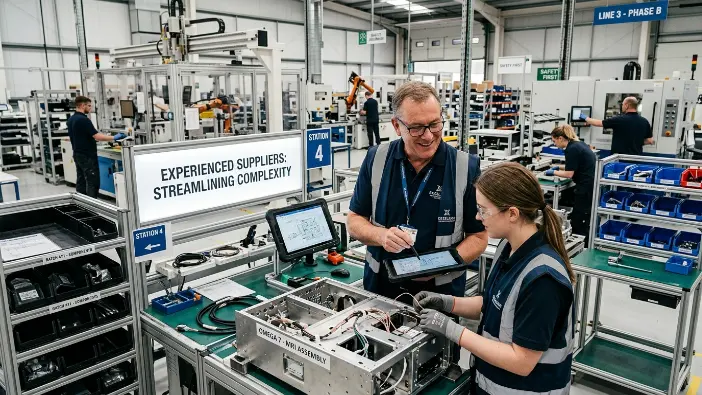
Experienced automotive recyclers understand that compatibility is more complicated than simply matching a make and model.
They often use manufacturer databases, interchange systems, and vehicle records to verify fitment before recommending a part.
This attention to detail helps reduce errors and gives buyers greater confidence that the replacement part will work as expected.
Rather than focusing only on price, knowledgeable suppliers prioritize accurate matching because it saves time for everyone involved.
conclusion
Buying used car parts doesn't have to be risky. Most compatibility problems happen because important details are overlooked during the purchasing process.
Learning how to check used car parts compatibility starts with understanding your vehicle, verifying OEM part numbers, checking specifications carefully, and asking the right questions before you buy. This approach also applies when looking through a car suspension parts guide, where correct matching is essential for safety, comfort, and proper vehicle handling.
A little research upfront can prevent unnecessary costs, installation headaches, and wasted time later. Whether you're replacing a simple exterior panel or a complex mechanical component, taking a careful approach helps ensure you receive a part that fits properly and performs as intended.
If you're unsure about compatibility, it's always worth consulting an experienced parts specialist who can help verify the correct match before you place your order.
FAQs
1. Can I use a used car part from a different model?
Sometimes. Many manufacturers share components across different models, but compatibility depends on factors like engine type, production year, trim level, and OEM part numbers.
2. Is the VIN the best way to check compatibility?
Yes. The VIN provides detailed information about your vehicle's original specifications and is one of the most reliable ways to identify compatible replacement parts.
3. Are OEM part numbers more important than vehicle year?
In many cases, yes. Matching OEM numbers provides stronger confirmation than relying on the model year alone, especially when manufacturers introduce mid-year updates.
4. Do electronic parts always need programming?
Not always, but many modern electronic components require coding or programming after installation. Check the requirements before purchasing.
5. What should I do if I'm unsure whether a part will fit?
Provide your VIN and vehicle details to a trusted parts supplier. They can often verify compatibility using manufacturer databases before you buy.