How to Safely Replace a Used AC Compressor in Adelaide
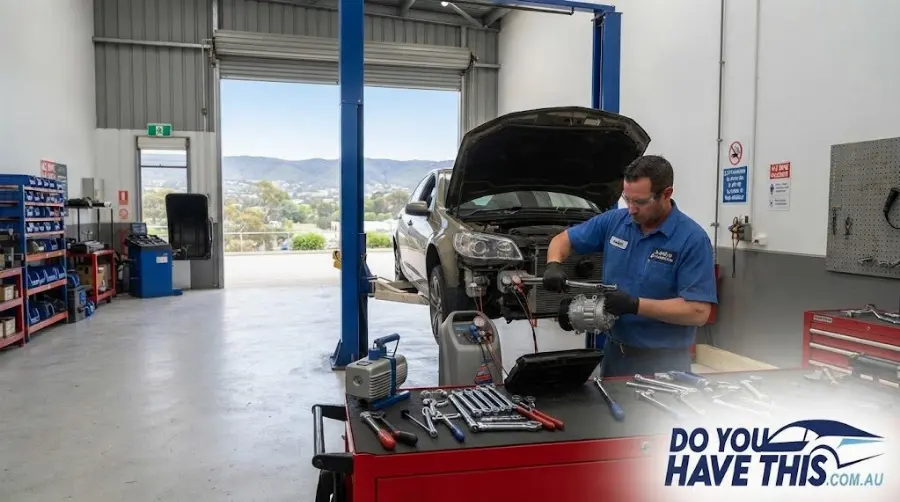
When your car’s air conditioning stops blowing cold air during an Adelaide summer, the compressor is often one of the first parts people suspect. But replacing it involves more than removing a few bolts. The AC system contains pressurized refrigerant, oil, electrical connections, and other components that must work together correctly.
Knowing how to remove an AC compressor safely starts with understanding what should and should not be done at home. Refrigerant recovery should always be handled properly, and Australian regulations require appropriate authorization for controlled refrigerant work.
For Adelaide drivers considering a used compressor, it’s important to use safe replacement practices and Find Reliable Car Wreckers when sourcing the right used part.
Why Adelaide Summer Can Be Hard on Car AC Systems
Adelaide's summer conditions can put noticeable demands on a vehicle's cooling system. Average summer temperatures can increase the workload on an already stressed AC system.
This is where how heat affects an AC compressor becomes important. When temperatures rise, the system has to work harder to remove heat. Poor condenser airflow, incorrect refrigerant levels, or other restrictions can also affect performance.
Common signs of an AC problem include:
- Warm or slightly cool air
- Unusual compressor noises
- Refrigerant or oil leaks
- Intermittent cooling
- A seized compressor
These symptoms do not automatically mean the compressor needs replacing. Proper diagnosis should come first. If you're also dealing with engine performance concerns, understanding how a Turbocharger Works and Signs It Needs Replacing can help you better understand other components that may affect vehicle
When to Replace an AC Compressor
One of the biggest mistakes is replacing the compressor simply because the AC is not cold.
A weak cooling system can also be caused by a refrigerant leak, blocked condenser, faulty pressure sensor, failed cooling fan, electrical problem, expansion device issue, or another component in the system.
So, when to replace an AC compressor depends on the actual fault.
Replacement becomes more likely when the compressor has:
- Internal mechanical damage
- A seized shaft
- Severe bearing noise
- A failed clutch that cannot be economically repaired
- Significant internal contamination
- A confirmed inability to compress refrigerant correctly
A technician may also find evidence of compressor failure through pressure testing, inspection of removed oil, or examination of debris in the system.
The important point is simple: diagnose first, replace second.
Used Compressor vs. New Compressor
A used compressor can make sense for an older vehicle where a new unit is too expensive. However, “used” should never mean “unknown condition.”
Before purchasing one, confirm the correct part number. Compressors can look similar but have different mounting points, pulley arrangements, electrical connections, or refrigerant requirements.
Check the vehicle’s make, model, year, engine, VIN, and original compressor part number. You can also learn how a Car Cooling System Works to better understand how the compressor fits into the vehicle’s overall cooling system.
Donor vehicle information
Ask where the compressor came from. A compressor removed from a running vehicle with a functioning AC system is generally easier to assess than one removed from an unknown or damaged vehicle.
Physical condition
Check for:
- Cracks in the housing
- Damaged mounting ears
- Corrosion
- Oil staining around seals
- Damaged pulley or clutch
- Bent fittings
- Signs of impact damage
A used compressor should also be stored with its ports properly protected from contamination.
If you're sourcing a used component in Adelaide, you can explore local options through DoYouHaveThis's Adelaide car parts marketplace rather than assuming the first available compressor is the correct one.
How to Remove an AC Compressor Safely
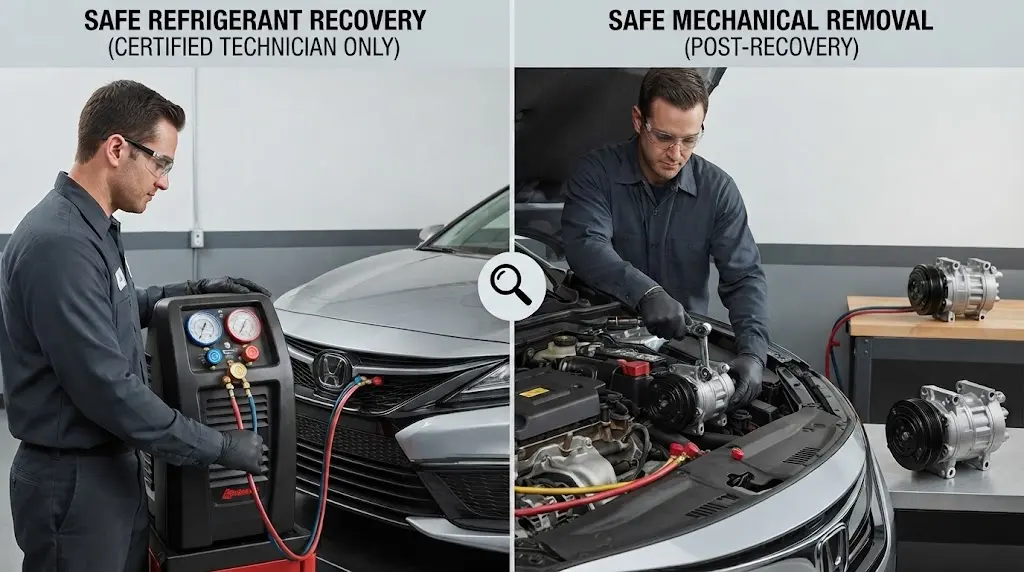
The most important distinction is between removing the compressor mechanically and releasing refrigerant from the system.
Never loosen an AC line simply to let refrigerant escape. Refrigerant is stored under pressure, and uncontrolled release can cause burns and other hazards. The Australian Refrigeration Council requires appropriate licensing for automotive refrigerant work.
If you drive a Honda, knowing the Honda CR-V Common Problems can also help you recognize AC-related issues before replacing the compressor.
A safe replacement process generally looks like this.
1. Identify the refrigerant and system
Before work begins, identify the vehicle's refrigerant type and follow the manufacturer's service information.
Older vehicles commonly use R134a, while some newer vehicles use alternatives such as R1234yf. These refrigerants require different equipment and handling considerations. ARC notes that R1234yf is mildly flammable and requires appropriate safety precautions.
2. Have the refrigerant professionally recovered
A qualified technician uses suitable recovery equipment to remove the refrigerant from the system.
This is not the same as simply opening a fitting.
The recovery process protects the technician, prevents uncontrolled discharge, and allows the system to be safely opened for mechanical work.
Training.gov.au also identifies refrigerant recovery from vehicle AC systems as work subject to licensing requirements.
3. Make the vehicle safe for mechanical work
Once the refrigerant has been correctly recovered, the vehicle can be prepared for compressor removal.
Depending on the vehicle, this may include:
- Switching off the ignition
- Disconnecting the battery when required
- Removing covers or intake components that obstruct access
- Inspecting the drive belt and surrounding components
If you need to source a replacement part, checking Vehicles at Wreckers can help you explore available used components. The exact removal procedure varies between vehicles.
4. Disconnect the compressor connections
The electrical connector and refrigerant lines are disconnected according to the manufacturer's procedure.
Once the lines are removed, openings should be protected from dirt and moisture. Contamination inside an AC system can create problems long after the replacement compressor has been installed.
5. Remove the drive belt and mounting bolts
The compressor is normally driven by a serpentine belt or another belt arrangement. The belt is released using the appropriate tensioner procedure.
The compressor mounting bolts can then be removed.
A compressor may be heavier than it looks, particularly when access is restricted. Supporting it during removal helps prevent damage to nearby wiring, hoses, or brackets.
At this point, the old compressor can be removed from the vehicle.
What Happens After the Old Compressor Is Removed?
This is where compressor replacement becomes more than simply installing another part. If the original compressor suffered a major internal failure, metal particles or contaminated oil may have entered other parts of the AC system.
A technician should check whether the system needs cleaning or component replacement. Depending on the vehicle and failure, this may include the receiver-drier, expansion device, or contaminated lines. Flushing may also be needed in some cases.
This is one reason installing a used compressor into a contaminated system can lead to another failure. For other vehicle-specific concerns, see Subaru Forester Known Issues and Parts.
Installing a Used AC Compressor
The replacement compressor should be checked against the original before installation.
Compare:
- Mounting points
- Pulley and clutch arrangement
- Electrical connections
- Refrigerant fittings
- Part number
- Compressor type
The compressor's oil requirements are also important. The correct oil type and quantity depend on the vehicle and compressor design.
New seals or O-rings should generally be used where specified, with the correct lubricant and installation procedure.
After the compressor is mounted and the belt and connections are restored, the system still needs to be properly serviced.
That normally includes evacuation, leak checking, and charging with the correct refrigerant quantity according to the vehicle manufacturer's specifications.
Refrigerants should not simply be added until the system "feels cold." Correct charging is a measured process.
Refrigerant Safety Tips That Should Not Be Skipped
Good refrigerant safety tips are straightforward, but they matter.
Never:
- Vent refrigerant intentionally
- Mix different refrigerants
- Use the wrong service equipment
- Guess the refrigerant charge
- Substitute refrigerants without confirming compatibility
- Work around refrigerant connections without proper training
- Use equipment not designed for the refrigerant involved
ARC also warns that R1234yf requires dedicated equipment and is not interchangeable with R134a. This is particularly important when buying used vehicles or parts, as the system configuration can vary. Understanding issues such as Mitsubishi Triton Common Issues can also help when checking a vehicle before buying used parts.
Common Mistakes When Replacing a Used Compressor
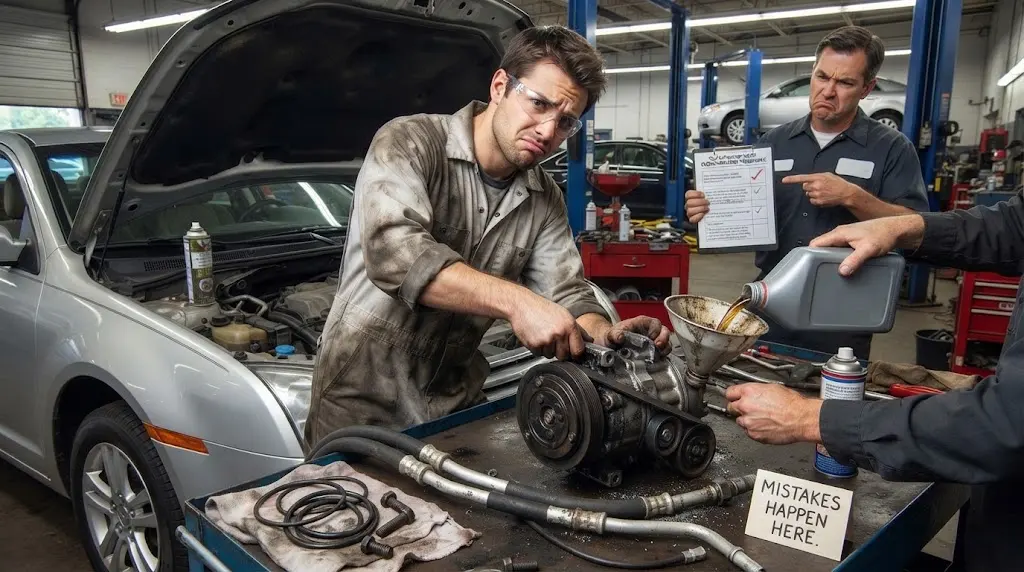
Assuming the compressor is the problem
A non-cooling AC system does not automatically have a bad compressor. Diagnosis should establish the cause first.
Buying by vehicle model alone
Two versions of the same vehicle can use different compressors. Always verify the part number and configuration.
Reusing damaged seals
A small leak at a connection can undermine an otherwise successful repair.
Ignoring contamination
If the original compressor failed internally, simply installing another compressor may not solve the underlying problem.
Forgetting the belt
A worn, cracked, noisy, or contaminated drive belt should be inspected while access is available.
Treating refrigerant as ordinary air
It is not. Pressurized refrigerant requires proper recovery equipment and trained handling.
Car Cooling Repair Steps: What a Good Job Should Include
The broader car cooling repair steps should follow a logical sequence:
- Confirm the customer's symptoms.
- Diagnose the AC system.
- Identify the refrigerant and compressor specification.
- Recover refrigerant using appropriate equipment.
- Remove the failed compressor.
- Inspect the system for contamination or related damage.
- Verify the replacement compressor.
- Install the replacement with appropriate seals and oil.
- Evacuate the system.
- Check for leaks.
- Recharge with the specified refrigerant quantity.
- Test cooling performance and system operation.
The exact procedure varies by vehicle. When choosing used parts, it is also important to check whether they are suitable and safe for reuse, similar to considerations when asking whether it is Safe to Use a Second Hand Airbag. Skipping diagnosis or post-installation testing can lead to avoidable problems.
How to Avoid Problems When Buying a Used Compressor
If you're searching for a used compressor, give the seller enough information to identify the correct component.
Instead of asking only, "Do you have an AC compressor for a Toyota?", provide the exact model, year, engine and part number if available.
It can also help to ask:
- Was the compressor tested before removal?
- What vehicle did it come from?
- Is the pulley or clutch damaged?
- Are the fittings intact?
- Is there visible oil leakage?
- What is the part number?
- Is there any return period or testing policy?
DoYouHaveThis marketplace is designed around specific part requests, allowing buyers to describe the component they need and hear from sellers who may have matching stock. Its wider used-parts guides also emphasize checking compatibility and condition rather than choosing a component purely because it is cheaper.
Why Experience Matters With AC Compressor Replacement
An experienced technician is not just replacing a mechanical component; they are looking at the entire system. For example, if a compressor has seized, the cause may involve more than normal wear. Understanding what Causes a Fuel Pump to Fail can also help highlight how different vehicle components can fail for specific reasons.
If a replacement compressor fails shortly after installation, the original problem may have been missed, or contamination may have remained in the system. That is why the safest approach combines accurate parts identification, correct refrigerant handling, proper installation, and final system testing.
Final Thoughts
Replacing a used AC compressor can be a practical repair option, especially for an older vehicle where a new compressor may not make financial sense. But the part itself is only one piece of the job.
If you're wondering how to remove an AC compressor safely, remember the most important rule: refrigerant recovery comes before opening the system, and that work should be handled by an appropriately licensed technician when required.
For Adelaide drivers dealing with summer AC problems, start with diagnosis rather than assuming the compressor has failed. If replacement is necessary, verify the exact compressor, inspect the rest of the system, and make sure the completed repair is properly evacuated, leak-checked, charged, and tested.
If you need help sourcing the correct used component, you can submit a specific request through DoYouHaveThis and compare available options before making a decision.
FAQs
Can I remove an AC compressor myself?
The mechanical removal may be possible for an experienced DIY mechanic, but the refrigerant must be properly recovered before opening the system. Refrigerant handling is subject to Australian licensing requirements for controlled refrigerants.
How do I know if my AC compressor needs replacing?
A compressor should be replaced only after diagnosis confirms it has failed or is no longer economical to repair. Warm air alone does not prove compressor failure.
Is a used AC compressor worth buying?
It can be, particularly for older vehicles, but condition and compatibility are critical. Check the exact part number, donor vehicle, physical condition, and available testing or return arrangements.
What happens if a compressor fails internally?
A serious internal failure can circulate debris or contaminated oil through the AC system. Depending on the failure, other components may need inspection, cleaning, or replacement before another compressor is installed.
Why does my car AC struggle during Adelaide summers?
Higher outdoor temperatures increase the cooling demand placed on the system. Problems such as restricted airflow, low or incorrect refrigerant charge, condenser issues, or a worn compressor can become more noticeable during hot weather. Adelaide's average summer maximum temperatures are around the high 20s Celsius.