What Causes a Fuel Pump to Fail in Australian Conditions
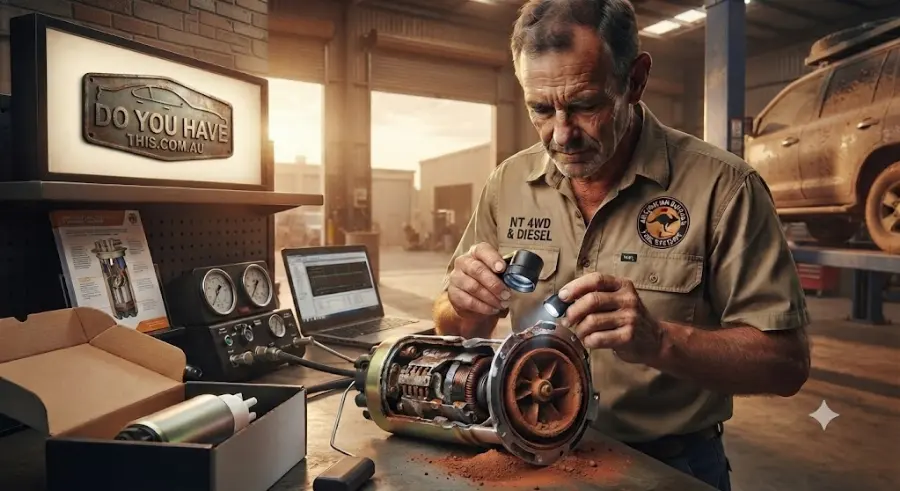
Many drivers assume a fuel pump will last the life of their vehicle. While modern fuel pumps are built to be reliable, they aren't immune to wear and environmental stress. In Australia, unique driving conditions, including long distances, high temperatures, dusty roads, and inconsistent driving habits, can shorten the lifespan of this critical component.
Understanding what causes fuel pump failure in Australia isn't just about avoiding expensive repairs. A failing fuel pump can reduce engine performance, lower fuel efficiency, and leave you stranded without warning.
Whether you're maintaining your vehicle or sourcing quality replacement parts from Auto Wreckers in Australia, recognizing the early warning signs can help prevent costly breakdowns and extend your vehicle's life.
What Does a Fuel Pump Actually Do?
The fuel pump's job is simple but essential. It moves fuel from the tank to the engine while maintaining the pressure required for proper combustion.
Most modern Australian vehicles use an electric fuel pump mounted inside the fuel tank. Because it's submerged in fuel, the pump relies on gasoline or diesel to help keep it cool and lubricated during operation.
When the pump begins to wear out, the engine may not receive enough fuel under different driving conditions. That can lead to poor acceleration, rough idling, difficulty starting, or complete engine failure.
Why Australian Driving Conditions Are Hard on Fuel Pumps
Australia presents challenges that many other countries don't experience on the same scale.
Extreme Heat
High ambient temperatures are common across much of Australia, especially during summer. Heat increases the temperature inside the fuel tank and forces the fuel pump to work in harsher conditions.
While the pump is designed to handle warm temperatures, constant exposure to extreme heat accelerates wear on electrical components and internal seals.
Vehicles parked outside for extended periods may experience even greater temperature fluctuations.
Long-Distance Driving
Many Australians regularly travel hundreds of kilometers between towns.
Long highway trips aren't necessarily harmful by themselves, but extended operating hours mean the fuel pump runs continuously for longer periods, increasing normal wear over time.
Dust and Rural Roads
Drivers in rural and regional Australia often travel on unsealed roads, where dust and contaminated fuel can gradually increase wear on fuel system components. If you're considering Used Gearboxes and Transmissions in Australia or other quality used vehicle parts, it's equally important to protect your fuel system by using clean fuel and ensuring seals remain in good condition.
Variable Fuel Quality
Fuel quality across Australia is generally good, but contamination can occasionally occur through water, rust, or debris inside storage tanks.
Even small contaminants can reduce pump efficiency or clog the fuel filter, forcing the pump to work harder.
The Most Common Fuel Pump Failure Causes
Several factors contribute to fuel pump failure, and they often work together rather than individually.
Frequently Driving With a Nearly Empty Fuel Tank
This is one of the biggest contributors to premature fuel pump failure.
Many drivers believe they're simply maximizing every tank of fuel. In reality, consistently driving with very little fuel allows the pump to run hotter because less fuel surrounds it for cooling.
Sediment naturally settles near the bottom of the tank over time. Running very low on fuel also increases the chance that debris will reach the fuel filter more frequently.
Keeping at least one-quarter of a tank is generally considered healthier for the fuel system.
Dirty or Contaminated Fuel
Water contamination, rust particles, dirt, or poor-quality fuel can all damage sensitive pump components.
While the fuel filter removes many contaminants, excessive debris forces both the filter and pump to work harder.
Signs of contaminated fuel may include:
- Rough engine operation
- Reduced performance
- Hard starting
- Unexpected engine hesitation
A Blocked Fuel Filter
A clogged fuel filter restricts fuel flow, forcing the pump to work harder and increasing internal wear over time.
Regular filter replacement helps reduce strain on the fuel system. If the damage becomes severe, many vehicle owners consider Used Engines for Sale along with other quality replacement components to restore reliable performance.
Electrical Problems
Fuel pumps depend on consistent electrical power.
Common electrical issues include:
- Corroded wiring
- Damaged connectors
- Failing relays
- Weak voltage supply
- Blown fuses
Sometimes a pump appears to have failed when the actual problem is an electrical fault elsewhere in the fuel system.
Proper diagnosis is important before replacing expensive components.
Normal Wear and Age
Like any mechanical component, fuel pumps simply wear out.
Electric motors, bearings, brushes, and internal moving parts gradually degrade after years of use.
Vehicles with high mileage naturally face a greater likelihood of pump failure regardless of driving conditions.
Fuel Tank Contamination
Rust inside older fuel tanks can circulate tiny metal particles through the fuel system.
Similarly, damaged tank linings or debris introduced during repairs can gradually increase pump wear.
Keeping the fuel system clean plays a significant role in long-term reliability.
Faulty Fuel Pump Symptoms Every Driver Should Know
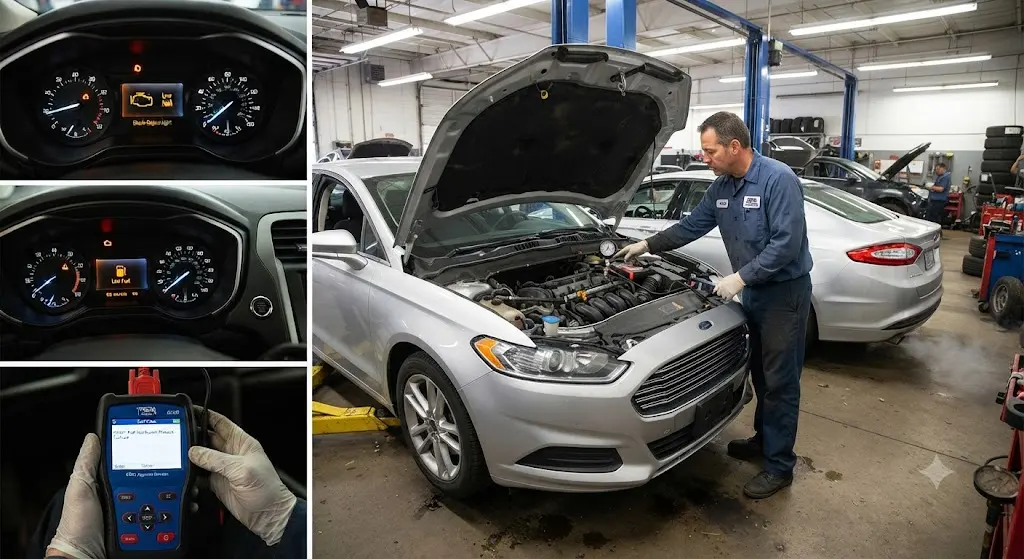
Recognizing faulty fuel pump symptoms early often prevents more serious breakdowns.
Difficulty Starting
If the pump struggles to build adequate pressure, the engine may crank longer before starting.
This often becomes worse over several weeks or months.
Loss of Power During Acceleration
A weak fuel pump may provide enough fuel at idle but fail to keep up when accelerating or climbing hills.
Drivers often notice hesitation or sluggish performance under load.
Engine Sputtering at Highway Speeds
Intermittent fuel delivery can cause brief engine surges or sputtering.
This symptom commonly appears during sustained highway driving when fuel demand increases.
Unexpected Stalling
As the pump weakens further, fuel pressure can suddenly drop.
The engine may stall while idling or even while driving.
Repeated stalling should never be ignored.
Whining Noise From the Fuel Tank
Most electric fuel pumps produce a soft humming sound. A louder whining or buzzing noise may indicate internal wear or excessive strain. While not every noisy pump is failing, persistent changes should be inspected. If you're maintaining a Hyundai, Hyundai i30 Spare Parts Australia: Used vs OEM Parts can help you choose reliable replacement components when repairs become necessary.
Poor Fuel Economy
A failing pump doesn't always reduce fuel consumption directly.
Instead, inconsistent fuel delivery can affect engine efficiency, leading to increased fuel use under certain conditions.
Fuel Pump Issues Australia Drivers Often Experience
Several fuel pump issues Australia drivers encounter relate directly to local driving habits.
For example:
- Vehicles used primarily for short city trips may develop moisture inside the fuel tank over time.
- Four-wheel-drive vehicles operating in remote regions often experience greater dust exposure.
- Commercial vehicles accumulate high mileage quickly, increasing normal component wear.
- Cars that sit unused for extended periods can experience fuel degradation, which may affect the fuel system.
Each situation places different stresses on the fuel pump.
Can You Prevent Fuel Pump Failure?
Although no fuel pump lasts forever, several simple habits can significantly extend its service life.
Keep Enough Fuel in the Tank
Avoid making a habit of driving until the fuel warning light appears.
Maintaining at least one-quarter of a tank helps keep the pump cooler.
Buy Fuel From Reputable Service Stations
Well-maintained fuel stations generally reduce the risk of contaminated fuel.
If poor fuel quality is suspected, address the issue promptly rather than continuing to drive.
Replace Fuel Filters When Recommended
Following your manufacturer's maintenance schedule helps reduce unnecessary strain on the pump.
A relatively inexpensive filter replacement can help prevent much larger repair costs later.
Address Warning Signs Early
Small performance changes often appear before complete pump failure.
Ignoring hesitation, difficult starting, or unusual noises usually allows the problem to worsen.
Early diagnosis may also reveal that another fuel system component—not the pump is responsible.
Maintain the Entire Fuel System
Injectors, filters, pressure regulators, electrical connections, and the fuel tank all work together.
Maintaining the entire system contributes to longer pump life.
Fuel Pump Repair Australia: When Is Repair Possible?
Many drivers search for fuel pump repair options after experiencing fuel delivery problems. As discussed in Mazda 3 Spare Parts Australia: How to Find the Best Deals, choosing the right replacement parts is just as important as finding the best price.
While modern electric fuel pumps are usually replaced rather than repaired, related issues such as faulty wiring, relays, clogged filters, or electrical connectors can often be fixed. An accurate diagnosis is always the first step.
Fuel Pump Replacement Australia: What Should Drivers Expect?
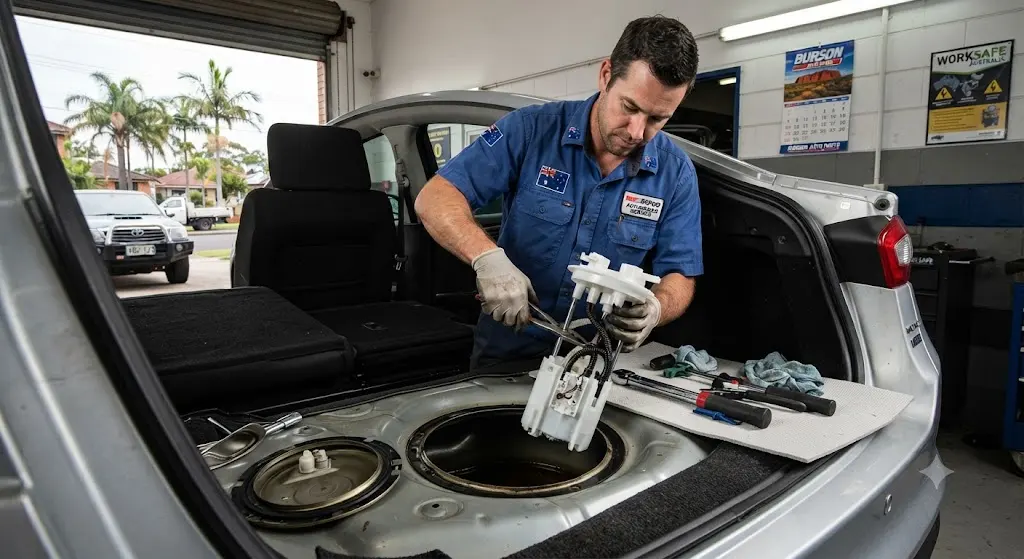
If testing confirms pump failure, fuel pump replacement Australia typically involves removing the fuel pump module from inside the fuel tank.
The exact process varies depending on the vehicle.
Some models provide interior access beneath the rear seats, while others require partial lowering or removal of the fuel tank.
Replacement generally includes:
- Diagnosing fuel pressure
- Inspecting electrical circuits
- Removing the old pump
- Installing the replacement unit
- Testing proper fuel pressure
- Confirming correct engine operation
Using quality replacement components helps maintain reliable performance.
Common Misunderstandings About Fuel Pump Failure
Several misconceptions continue to circulate among drivers.
The pump failed without warning.
In many cases, subtle symptoms appeared weeks earlier but went unnoticed.
Fuel additives will fix a worn-out pump.
Fuel additives may help clean parts of the fuel system but cannot repair worn electrical or mechanical components inside the pump.
Every hard-start problem is a bad fuel pump.
Battery issues, ignition faults, injectors, sensors, or electrical problems can produce similar symptoms.
Proper testing prevents unnecessary replacement.
Fuel pumps always fail suddenly.
Some do, but many lose performance gradually over time.
Why Proper Diagnosis Matters
Because several engine problems can mimic fuel pump failure, accurate diagnosis saves both time and money.
Whether you're maintaining your vehicle or searching for Ford Ranger Spare Parts, testing fuel pressure, checking electrical voltage, scanning diagnostic codes, and inspecting related components helps identify the real problem before replacing parts unnecessarily.
Conclusion
Understanding what causes fuel pump failure in Australia helps drivers recognize problems before they become major repairs. Australia's heat, long-distance driving, dusty environments, contaminated fuel, clogged filters, electrical issues, and simple component wear all contribute to fuel pump failure over time.
Fortunately, many of these risks can be reduced through sensible driving habits, regular maintenance, and paying attention to early warning signs. If your vehicle begins showing symptoms such as hard starting, hesitation, power loss, or unusual fuel pump noise, having the fuel system inspected sooner rather than later can help prevent unexpected breakdowns.
If you're unsure whether your vehicle's fuel system is performing as it should, speaking with a qualified automotive technician is a practical next step.
FAQs
How long does a fuel pump usually last in Australia?
Many fuel pumps last between 100,000 and 200,000 kilometers, although lifespan varies depending on driving conditions, maintenance, fuel quality, and vehicle design.
Can extreme Australian heat damage a fuel pump?
High temperatures alone may not cause immediate failure, but prolonged exposure to heat can increase wear, especially if the fuel level is frequently kept very low.
Is it safe to keep driving with a failing fuel pump?
A weak fuel pump can worsen over time and may eventually leave you stranded. It's best to have symptoms inspected as soon as they're noticed.
Does premium fuel prevent fuel pump failure?
Premium fuel doesn't necessarily extend fuel pump life unless your vehicle specifically requires it. Clean, high-quality fuel and regular maintenance are generally more important.
Should I repair or replace a faulty fuel pump?
Most modern electric fuel pumps are replaced rather than repaired because they're sealed units. The best option depends on the diagnostic findings and the condition of the surrounding fuel system.