How Heat and Dust Shorten Car Part Life in Australia

Most drivers expect normal wear and tear from their vehicles. Brake pads wear down, batteries eventually fail, and filters need replacing. What many people underestimate is how much Australia's environment speeds up that process.
The Australian climate's effect on car parts is often more significant than people realize. Long stretches of hot weather, dusty roads, coastal humidity, and sudden temperature changes all place extra stress on components that already work hard every day.
Even vehicles that appear well-maintained can experience premature failures simply because they're exposed to tougher conditions than cars in milder climates. That's why many drivers choose to buy car parts online in Australia, giving them easier access to quality replacement parts that suit their vehicle and local driving conditions.
Whether you drive through busy cities, regional highways, mining areas, or rural roads, your vehicle constantly battles environmental factors that slowly reduce the lifespan of critical components.
Understanding how these conditions affect different parts of your vehicle allows you to recognize problems earlier, plan maintenance more effectively, and avoid expensive breakdowns.
Let's explore why Australia's climate is uniquely challenging for vehicles and what you can do to reduce unnecessary wear.
Why Australia's Climate Is Tough on Vehicles
Australia is known for its diverse weather conditions. Depending on where you live, your vehicle may experience:
- Intense summer heat
- Dry, dusty inland conditions
- Coastal humidity and salty air
- Sudden storms
- Large day-to-night temperature swings
Each of these conditions affects vehicle components differently. While manufacturers design modern vehicles to handle harsh environments, no car is immune to continuous exposure.
Many automotive technicians note that environmental conditions often influence maintenance schedules more than vehicle age alone. A five-year-old vehicle regularly driven in extreme heat and dust may show more wear than an older car operated in milder conditions.
Regular inspections also make it easier to identify worn or damaged components early, while understanding how to find out if a car part has been recalled in Australia can help ensure you're not unknowingly driving with a safety-related defect.
How Heat Affects Car Parts in Australia
One of the biggest challenges is prolonged exposure to high temperatures.
When people ask how heat affects car parts in Australia, the answer extends far beyond an uncomfortable cabin. Heat changes how materials expand, contract, age, and perform.
Rubber Components Age Faster
Rubber is especially vulnerable.
Extreme heat gradually dries out rubber parts, causing them to become:
- Brittle
- Cracked
- Less flexible
This affects components such as:
- Radiator hoses
- Vacuum hoses
- Suspension bushings
- Engine mounts
- Door seals
- Window seals
Small cracks may not seem serious at first, but they often lead to leaks or larger mechanical failures over time.
Plastic Parts Become More Fragile
Modern vehicles contain numerous plastic components both inside and outside the engine bay.
Continuous exposure to sunlight and engine heat can cause plastics to:
- Fade
- Warp
- Crack
- Lose structural strength
Engine covers, electrical connectors, clips, cooling system fittings, and dashboard trim are all susceptible to heat damage over the years.
Fluids Break Down More Quickly
Heat also affects the fluids that keep a vehicle operating smoothly.
High temperatures place additional stress on:
- Engine oil
- Transmission fluid
- Brake fluid
- Coolant
- Power steering fluid
As fluids degrade, they become less effective at lubrication, cooling, and protecting internal components. That's one reason many mechanics recommend paying closer attention to maintenance intervals in hotter regions.
How Australian Summer Damages Car Parts
Many people associate summer only with overheating engines, but how Australian summer damages car parts involves several systems throughout the vehicle.
Tires Experience Greater Stress
Road surfaces can become extremely hot during Australian summers.
Hot pavement increases tire temperatures, which can accelerate:
- Rubber wear
- Air pressure fluctuations
- Sidewall deterioration
Improper tire pressure becomes even more important during heatwaves, making routine pressure checks worthwhile.
Air Conditioning Works Harder
Extended periods of high temperatures force air conditioning systems to operate almost constantly.
This places an extra demand on:
- Compressors
- Condensers
- Cooling fans
- Cabin filters
While these systems are designed for heavy use, continuous operation naturally contributes to gradual wear.
Cooling Systems Face Constant Pressure
Your cooling system works hardest during summer.
Radiators, water pumps, thermostats, and cooling fans all operate under greater demand to keep engine temperatures within safe limits.
Minor issues that go unnoticed during cooler months often become obvious during summer driving.
How Dust Affects Car Engines in Australia
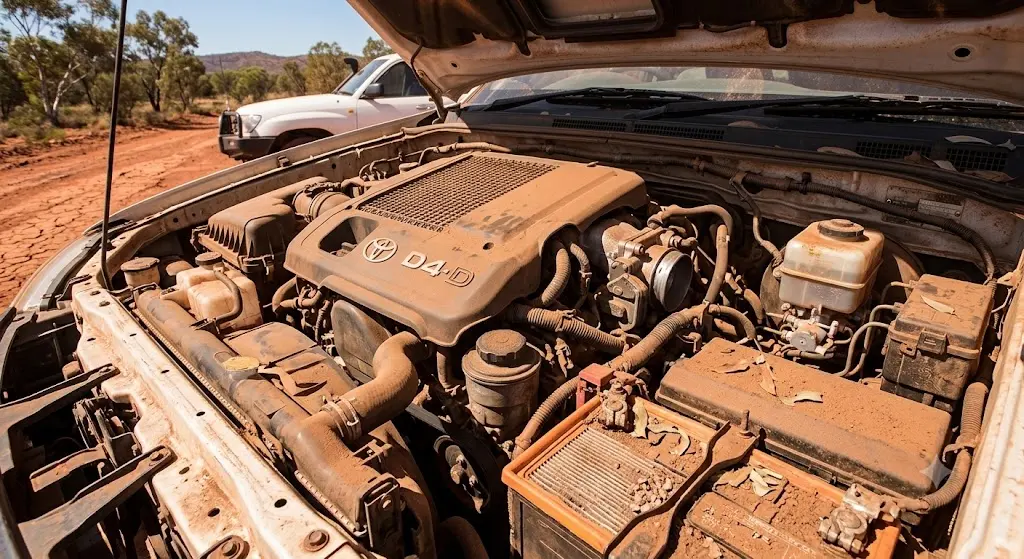
Dust is one of Australia's most overlooked vehicle hazards. Understanding how dust affects car engine Australia conditions helps explain why vehicles used in regional and rural areas often require more frequent servicing. Fine dust can clog air filters, reduce engine efficiency, and accelerate wear on internal components. Knowing how to know when your car alternator is failing is equally important, as dust and extreme heat can also shorten the lifespan of electrical components and charging systems.
Air Filters Become Clogged Faster
The engine depends on clean airflow.
Dusty conditions fill air filters much more quickly than city driving alone.
A restricted air filter may lead to:
- Reduced fuel efficiency
- Lower engine performance
- Increased fuel consumption
- Higher engine workload
Replacing air filters when necessary is one of the simplest ways to help protect an engine.
Fine Dust Finds Unexpected Places
Dust doesn't only stop at the air filter.
Fine particles can accumulate around:
- Electrical connectors
- Cooling fans
- Belts
- Radiators
- Alternators
When combined with moisture, dust forms stubborn deposits that may reduce cooling efficiency or interfere with electrical connections.
Cabin Air Quality Also Suffers
Dust affects occupants as well.
Cabin air filters collect pollen, dirt, and fine particles entering through the ventilation system.
A neglected cabin filter can reduce airflow and make the air conditioning work harder while lowering interior air quality.
The Hidden Impact of Humidity on Car Parts
Not every part of Australia is dry.
Coastal regions regularly experience high humidity, raising another common question: how humidity affects car parts in Australia.
Moisture introduces a completely different type of wear.
Corrosion Develops Gradually
Humidity encourages rust and corrosion on:
- Metal brackets
- Fasteners
- Brake components
- Exhaust systems
- Electrical terminals
While corrosion develops slowly, it becomes increasingly expensive to repair once it spreads.
Electrical Problems Become More Common
Modern vehicles rely heavily on electronics.
Moisture can contribute to:
- Corroded connectors
- Sensor issues
- Poor electrical contact
- Intermittent warning lights
These problems are often difficult to diagnose because they may appear only under certain weather conditions.
Mold and Interior Damage
Persistent humidity may also affect the cabin.
If moisture enters through damaged seals or blocked drainage channels, it can lead to:
- Musty odors
- Mold growth
- Damp carpets
- Interior trim deterioration
Keeping drainage systems clear helps reduce these risks.
Car Battery Life in Australia's Hot Climate
Many drivers believe batteries fail mainly during winter.
In reality, car battery life in hot climates, such as Australia, is often shortened by prolonged heat exposure.
High temperatures accelerate the chemical reactions inside a battery, which gradually reduces its lifespan.
Heat can contribute to:
- Faster electrolyte evaporation
- Internal corrosion
- Reduced battery capacity
- Difficulty starting the vehicle
Ironically, batteries weakened by hot summers often fail months later during cooler weather, making the cause less obvious.
Regular battery testing is especially worthwhile before long road trips.
Which Car Parts Usually Wear Out First?
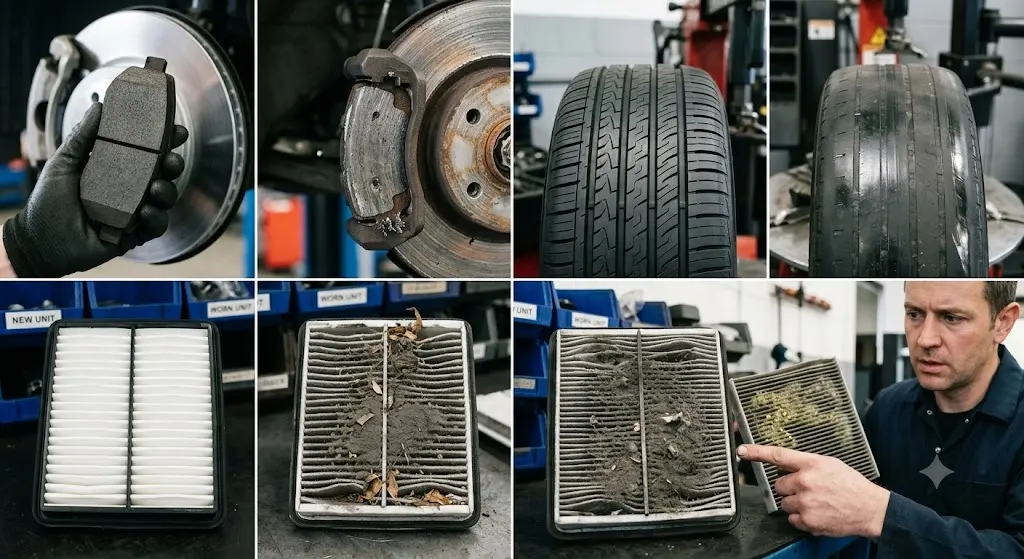
Although every vehicle is different, Australia's climate commonly affects:
- Batteries
- Air filters
- Cabin filters
- Radiator hoses
- Belts
- Tires
- Cooling system components
- Rubber seals
- Suspension bushings
- Wiper blades
None of these parts necessarily fail suddenly because of weather alone, but environmental stress often shortens their expected service life. When replacement becomes necessary, it's also helpful to understand how car wreckers test parts before selling them, especially if you're considering quality used components as a cost-effective option.
Common Mistakes Drivers Make
Environmental wear often develops slowly, making it easy to overlook.
Some common mistakes include:
Assuming Low Mileage Means Low Wear
A vehicle driven only occasionally still experiences sunlight, heat, humidity, and dust while parked outdoors.
Age-related deterioration continues even when the car isn't being driven frequently.
Ignoring Small Changes
Drivers sometimes dismiss early warning signs such as:
- Longer engine cranking
- Reduced air conditioning performance
- Slight coolant loss
- Cracked rubber hoses
- Tire pressure changes
Addressing these issues early often prevents larger repairs.
Delaying Filter Replacements
Some owners replace filters only according to standard schedules.
However, vehicles regularly driven on dusty roads may require more frequent inspections than the minimum maintenance interval.
Forgetting About Parking Conditions
Parking in direct sunlight every day increases exposure to UV radiation and heat.
Whenever practical, covered parking or shade can reduce long-term damage to both interior and exterior components.
Practical Ways to Extend Car Part Life
Australia's climate cannot be changed, but maintenance habits can make a meaningful difference.
Consider these practical steps:
- Check tire pressure regularly during hot weather.
- Inspect coolant levels before summer road trips.
- Replace worn hoses before they fail.
- Monitor battery health annually.
- Clean dust from engine bays carefully without forcing water into electrical components.
- Replace air and cabin filters when conditions require.
- Wash vehicles more frequently after driving on dusty roads.
- Remove salt residue if driving near coastal areas.
- Keep rubber seals clean and conditioned.
- Address warning lights promptly instead of waiting for larger problems.
These simple habits often reduce unnecessary wear and help maintain reliable vehicle performance.
Why Correct Parts Matter
Environmental conditions already place extra stress on vehicle components. Installing poor-quality or incorrect replacement parts may reduce reliability even further. Quality components designed to meet manufacturer specifications generally provide better durability under demanding Australian conditions.
Whether replacing filters, cooling system parts, suspension components, or electrical items, selecting the correct fit helps ensure proper operation and longevity. Understanding how to tell if a used car part will fit your vehicle is equally important, especially when considering replacement options for older vehicles.
Experienced parts suppliers can also help identify compatible components based on your vehicle's make, model, and production year, reducing the chance of installation problems or premature failure.
Expert Perspective
Automotive professionals often see similar patterns across vehicles operating in harsh climates. Components rarely fail because of a single hot day or one dusty drive. Instead, damage builds gradually through repeated exposure over months and years.
That's why preventive maintenance is so valuable. Replacing a worn hose before it bursts or changing a clogged filter before engine performance suffers is usually simpler and less expensive than dealing with the consequences of a breakdown.
Drivers who understand how Australia's environment affects their vehicles are often better prepared to spot early signs of wear and schedule maintenance before small issues become major repairs.
Conclusion
The Australian climate's effect on car parts is something every driver should understand. Heat, dust, humidity, and strong sunlight all contribute to gradual wear across multiple vehicle systems, from batteries and cooling components to filters, tires, and electrical connections.
While no vehicle can completely avoid environmental stress, regular inspections, timely maintenance, and quality replacement parts can significantly reduce unnecessary damage.
Paying attention to small changes today often prevents larger repairs tomorrow. If you're unsure whether a part has been affected by Australia's harsh conditions, seeking reliable advice or checking replacement options can help keep your vehicle performing safely and efficiently for years to come.
FAQs
Does extreme heat really shorten the life of car parts?
Yes. Prolonged heat can accelerate the aging of rubber, plastics, fluids, batteries, and electronic components, causing them to wear out sooner than they might in milder climates.
How often should I replace my engine air filter in dusty areas?
It depends on your driving conditions. Vehicles regularly driven on unsealed or dusty roads often require more frequent inspections and filter replacements than standard service schedules suggest.
Can humidity damage a vehicle even if it doesn't rain often?
Yes. High humidity promotes corrosion, especially on metal components and electrical connections. Coastal environments are particularly challenging because salt in the air speeds up corrosion.
Why do car batteries fail more often after hot summers?
High temperatures accelerate internal battery wear and chemical aging. The damage often occurs during summer but may not become noticeable until months later.
Is parking in the shade actually helpful?
Yes. Reducing direct exposure to sunlight lowers cabin temperatures and helps protect paint, dashboard materials, rubber seals, batteries, and other heat-sensitive components.