How a Turbocharger Works and Signs It Needs Replacing
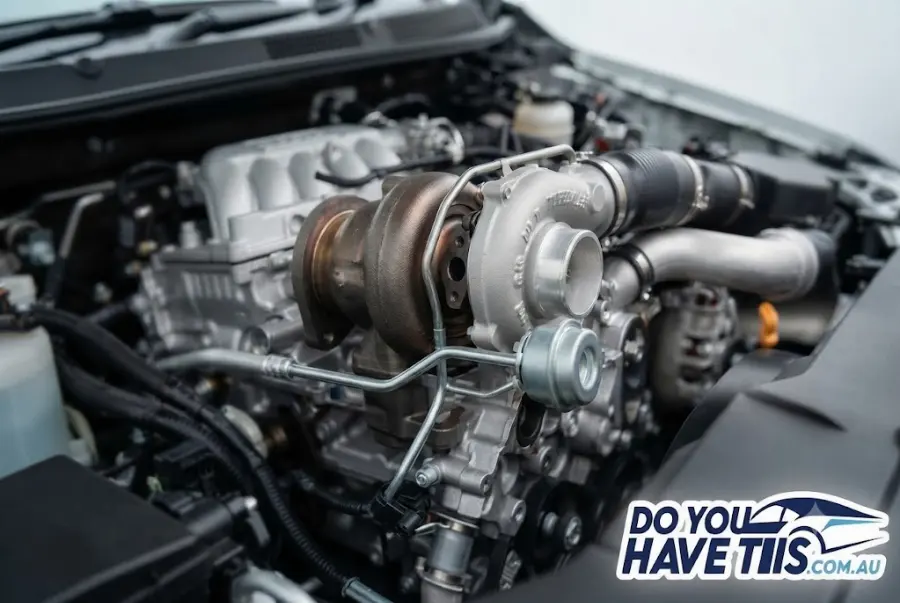
Modern engines are expected to do more with less. Drivers want strong acceleration, good fuel economy, and lower emissions without sacrificing reliability. One of the technologies that makes this possible is the turbocharger.
Many people know a turbo gives a vehicle more power, but fewer understand how it works or why turbochargers fail. Most failing turbos show warning signs long before they stop working completely.
Understanding how a turbocharger works signs of failure can help you identify problems early, reduce the risk of expensive engine damage, and make informed repair decisions. If replacement components are needed, a Second Hand Car Parts Marketplace can also be a practical option for finding suitable parts.
What Is a Turbocharger?
A turbocharger is an air compressor powered by the engine's exhaust gases. Instead of allowing exhaust energy to leave the vehicle unused, the turbo captures that energy to spin a turbine.
That turbine is connected to another wheel called the compressor. As the compressor spins, it pushes more air into the engine's cylinders than the engine could draw naturally.
More air means more oxygen. With additional oxygen, the engine can burn more fuel efficiently, producing greater power without significantly increasing engine size.
This is why many manufacturers now use smaller turbocharged engines instead of larger naturally aspirated ones. The result is often improved performance while maintaining better fuel efficiency under many driving conditions.
How a Turbocharger Works
Understanding how a turbocharger works becomes much easier when you break the process into simple steps.
Step 1: Exhaust gases leave the engine
Every combustion cycle creates hot exhaust gases. Instead of flowing directly through the exhaust system, these gases first pass through the turbocharger's turbine housing.
Step 2: The turbine spins
The force of the exhaust gases spins a turbine wheel at extremely high speeds. Depending on engine load, some turbochargers can exceed 200,000 RPM.
Step 3: The compressor draws fresh air
The spinning turbine is connected by a shaft to the compressor wheel. As it rotates, the compressor pulls fresh air through the intake system and compresses it.
Step 4: Compressed air enters the engine
The compressed air usually passes through an intercooler, which lowers its temperature before entering the engine. Cooler air is denser and contains more oxygen, allowing combustion to occur more efficiently.
Step 5: More efficient power production
The engine receives more oxygen-rich air, burns fuel more effectively, and produces greater power without needing a larger displacement engine.
Although the process happens continuously while driving, it takes only fractions of a second.
Why Turbochargers Are So Popular
Turbochargers are now common in passenger vehicles, commercial vehicles, and diesel engines because they improve performance and efficiency.
Some of the biggest benefits include:
- Increased engine power
- Better acceleration
- Improved fuel efficiency
- Smaller engines with strong performance
- Lower emissions
These advantages explain why turbocharging is widely used across different vehicle segments, just as specialized components like a Part-Time 4WD Transfer Case are essential for vehicles designed for off-road capability and four-wheel-drive performance.
What Causes Turbocharger Problems?
Despite their durability, turbochargers operate under extremely demanding conditions.
High rotational speeds, intense heat, and constant oil lubrication requirements mean even small maintenance issues can eventually lead to failure.
Some of the most common turbocharger problems include:
Poor Oil Quality
Turbochargers depend on clean engine oil for lubrication and cooling.
Old or contaminated oil can create excessive friction inside the bearings, accelerating wear.
Skipping oil changes is one of the leading contributors to premature turbo failure.
Oil Starvation
If the turbo doesn't receive enough oil, internal components quickly overheat.
Oil starvation may result from:
- Blocked oil lines
- Low oil levels
- Poor maintenance
- Incorrect oil viscosity
Even a short period without proper lubrication can damage the turbo.
Foreign Object Damage
Small debris entering either the intake or exhaust side can strike the compressor or turbine blades.
Common causes include:
- Damaged air filters
- Broken intake components
- Engine debris
- Loose hardware
Since turbo blades rotate incredibly fast, even tiny objects can cause significant damage.
Excessive Heat
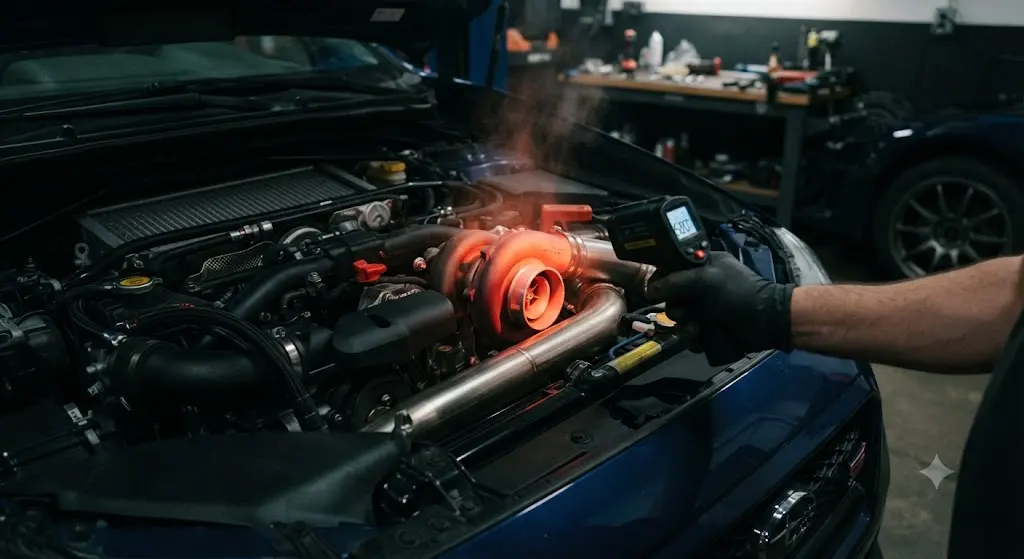
Heat is a normal part of turbo operation, but repeated overheating can shorten its lifespan.
Common reasons include:
- Aggressive driving immediately before shutting off the engine
- Cooling system problems
- Restricted oil flow
Allowing the engine to idle briefly after heavy driving helps oil continue circulating through the turbo. It's also important to know that Car Parts Are Not Safe to Buy Second Hand is a misconception, as some used parts can be safe and reliable when properly inspected and sourced.
Contaminated Intake Air
Dirty air filters allow dust and fine particles to enter the compressor.
Over time, these particles wear the compressor blades and reduce efficiency.
Bad Turbocharger Signs You Shouldn't Ignore
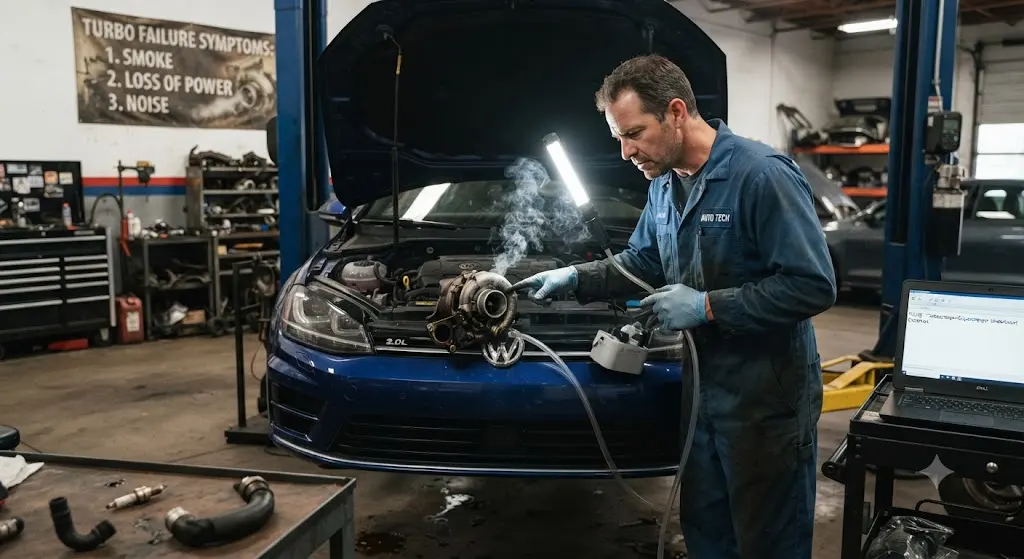
Most failing turbos give drivers several warning signs before complete failure.
Recognizing these bad turbocharger signs early often prevents larger engine repairs.
Loss of Engine Power
One of the earliest symptoms is reduced acceleration.
If the turbo cannot generate proper boost pressure, the engine feels sluggish, especially when climbing hills or overtaking.
Whining or Siren Noise
Healthy turbochargers produce only a subtle sound.
A high-pitched whining, siren, or dentist-drill noise often indicates worn bearings or damaged compressor components.
Excessive Exhaust Smoke
Different smoke colors can point to different issues.
Blue smoke often suggests oil entering the combustion chamber through worn turbo seals.
Black smoke may indicate incomplete combustion caused by insufficient airflow.
White smoke can have multiple causes and requires proper diagnosis.
Increased Oil Consumption
If you're adding oil more frequently without visible leaks, the turbo seals may be allowing oil into either the intake or exhaust system.
Check Engine Light
Modern vehicles monitor turbo performance using various sensors.
Reduced boost pressure, airflow problems, or related faults may trigger the check engine light.
However, the warning light alone doesn't confirm turbo failure, as several engine systems can produce similar codes.
Common Turbocharged Engine Issues
Not every performance problem points directly to the turbocharger.
Several related systems affect turbo performance.
Some common turbocharged engine issues include:
Boost Leaks
Cracked hoses or loose clamps allow compressed air to escape before reaching the engine.
Symptoms include:
- Reduced power
- Hissing sounds
- Poor acceleration
Wastegate Problems
The wastegate regulates turbo boost pressure.
If it sticks open, the boost remains too low.
If it sticks closed, excessive boost may place the engine under unnecessary stress.
Faulty Sensors
Modern turbo systems rely on sensors such as:
- Mass airflow sensor (MAF)
- Manifold absolute pressure sensor (MAP)
- Boost pressure sensor
Incorrect readings can reduce performance even when the turbo itself is healthy.
Intercooler Leaks
The intercooler cools compressed air before it enters the engine.
Leaks reduce pressure and limit engine performance.
Common Turbocharger Faults That Require Replacement
Not every turbo problem requires complete replacement. Sometimes replacing oil lines, hoses, sensors, or seals is enough to fix the issue. However, replacement becomes necessary when major internal damage occurs.
Examples include:
- Damaged turbine blades
- Broken compressor wheel
- Excessive shaft play
- Cracked turbine housing
- Bearing failure
- Severe oil contamination damage
A professional inspection can determine whether repair or replacement is the better option. If a replacement is needed, a reputable Wrecking Yard in Australia may offer quality used turbo components at a lower cost.
Common Turbo System Problems Drivers Misunderstand
Many owners assume every whistle or loss of power means the turbo has failed.
In reality, diagnosing turbo system problems requires checking the entire intake and boost system.
Some frequently misunderstood situations include:
The turbo failed because the engine lost power.
Power loss can also result from:
- Fuel delivery issues
- Blocked air filters
- Sensor failures
- Exhaust restrictions
Replacing the turbo fixes everything.
If the original cause such as oil contamination or blocked oil lines isn't corrected, the new turbo may fail prematurely.
Performance tuning never affects reliability.
Increasing boost beyond factory specifications adds extra stress to both the turbocharger and the engine.
Proper supporting modifications and maintenance become increasingly important after tuning.
How to Extend Turbocharger Life
Not every turbo problem requires complete replacement. Sometimes replacing oil lines, hoses, sensors, or seals is enough to fix the issue. However, replacement becomes necessary when major internal damage occurs.
Examples include:
- Damaged turbine blades
- Broken compressor wheel
- Excessive shaft play
- Cracked turbine housing
- Bearing failure
- Severe oil contamination damage
A professional inspection can determine whether repair or replacement is the better option. If a replacement is needed, a reputable Wrecking Yard in Australia may offer quality used turbo components at a lower cost.
Cool the Turbo After Heavy Driving
After towing, highway driving, or spirited driving, let the engine idle briefly before shutting it off.
This allows temperatures to stabilize while oil continues circulating.
Address Warning Signs Early
Ignoring small issues often leads to much larger repairs later.
A minor boost leak today may eventually contribute to more expensive turbo damage.
Why Proper Diagnosis Matters
Turbocharger replacement is rarely inexpensive.
Because several engine systems produce similar symptoms, replacing the turbo without confirming the root cause can waste both time and money.
Experienced technicians typically inspect:
- Oil supply
- Oil return lines
- Intake system
- Intercooler
- Boost hoses
- Exhaust restrictions
- Sensors
- Electronic fault codes
Only after these checks can they determine whether the turbo itself has actually failed.
This careful approach often prevents unnecessary parts replacement.
Final Thoughts
Turbochargers have transformed modern engines by delivering impressive power from smaller, more efficient designs. While they operate under demanding conditions, they are generally reliable when maintained correctly.
Understanding how turbocharger works signs of failure helps drivers recognize problems before they become major repairs. Paying attention to unusual noises, smoke, reduced power, increased oil consumption, or warning lights allows issues to be diagnosed early, often reducing repair costs.
If your vehicle begins showing symptoms of turbocharger problems, it's worth having the entire turbo system inspected rather than assuming the turbo itself is to blame. A proper diagnosis ensures the real cause is identified and addressed.
If you're looking for replacement parts or want to learn more about maintaining your vehicle, explore the helpful resources available on the website and choose quality components that match your vehicle's requirements.
FAQs
How long does a turbocharger usually last?
A well-maintained turbocharger can often last 100,000 to 150,000 miles or longer. Regular oil changes, clean air filters, and prompt attention to engine issues all help extend its lifespan.
Can I drive with a failing turbocharger?
It depends on the severity of the problem. Minor issues may still allow the vehicle to operate, but continuing to drive with a damaged turbo can lead to reduced performance, increased oil consumption, or even engine damage.
What is the most common cause of turbocharger failure?
Poor lubrication is one of the leading causes. Dirty oil, low oil levels, blocked oil passages, or delayed maintenance can quickly damage the turbo's bearings.
Does every loss of power mean the turbocharger has failed?
No. Boost leaks, faulty sensors, clogged air filters, fuel system problems, or exhaust restrictions can all cause similar symptoms. Proper diagnosis is essential before replacing any parts.
Is turbocharger replacement always necessary?
Not always. Some issues involve hoses, sensors, oil lines, or the wastegate rather than the turbo itself. A thorough inspection can determine whether repair or replacement is the best solution.