What Is a Transfer Case and How Does It Work
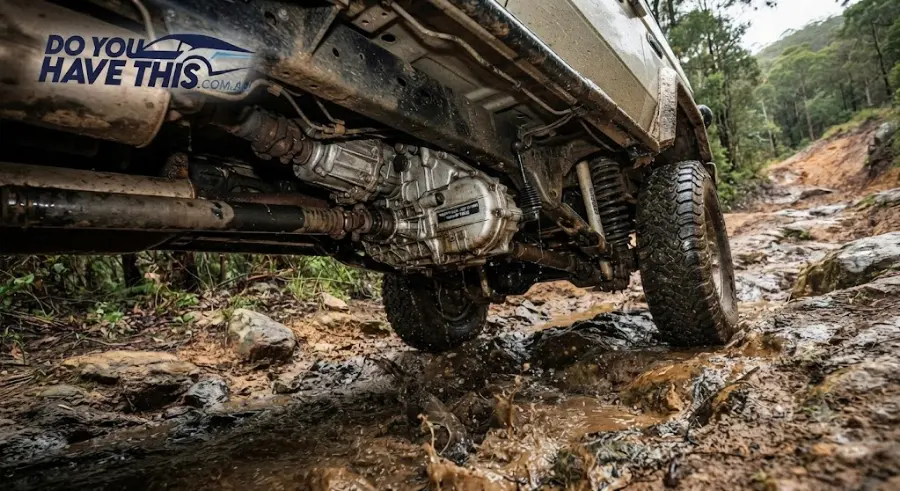
If you've ever driven a four-wheel-drive vehicle across rough tracks, muddy roads, or steep hills, you've benefited from a component that most drivers rarely think about: the transfer case.
Many people assume that a 4WD system simply sends power to all four wheels whenever needed. In reality, the transfer case is the component responsible for directing that power. Whether you're maintaining your 4WD or exploring Why Used Car Parts Are Better for the Environment, understanding how a transfer case works can help you make smarter repair and maintenance decisions. It plays a critical role in vehicles like the Toyota Land Cruiser, Nissan Patrol, Ford Ranger, and Mitsubishi Triton whenever extra traction is needed.
In this guide, we'll explain what a transfer case does, how it works, how it differs from a differential, common problems to watch for, and how proper maintenance can help extend its lifespan.
What Is a Transfer Case?
A transfer case is a gearbox mounted behind the transmission in four-wheel-drive (4WD) and many all-wheel-drive (AWD) vehicles. Its primary job is to distribute engine power from the transmission to both the front and rear axles.
Unlike a standard two-wheel-drive vehicle, which powers only one axle, a transfer case allows a vehicle to send torque to all four wheels when additional grip is needed.
Most transfer cases also provide different driving modes, including:
- Two-wheel drive (2H)
- Four-wheel drive high range (4H)
- Four-wheel drive low range (4L)
- Neutral (on some models)
These settings allow drivers to match the drivetrain to road conditions.
How a Transfer Case Works
Understanding how a transfer case works is easier when you follow the path of engine power.
The process typically looks like this:
- The engine produces power.
- The transmission adjusts gear ratios.
- Power enters the transfer case.
- The transfer case distributes power to the front and rear driveshafts.
- Driveshafts send power to the differentials.
- Differentials transfer power to the wheels.
Many part-time 4WD vehicles operate in two-wheel drive on paved roads to improve fuel economy and reduce drivetrain wear. When extra traction is needed, the transfer case engages all four wheels, while low-range gearing provides greater torque for off-road driving and heavy towing.
Along with the following 7 Tips for Finding Cheap Car Parts in Australia, understanding how your transfer case works can help you make smarter maintenance and repair decisions.
Types of Transfer Cases
Not every transfer case operates the same way. Manufacturers design them for different driving conditions and vehicle purposes.
Part-Time 4WD Transfer Case
Part-time systems are common in many traditional off-road vehicles.
Under normal conditions:
- Rear wheels receive power.
- The front axle remains disconnected.
When needed, the driver manually selects 4H or 4L.
These systems are durable and excellent for challenging terrain but generally should not be used on dry pavement because drivetrain binding can occur.
Full-Time 4WD System
A full time 4WD system continuously sends power to both front and rear axles.
Instead of manually engaging four-wheel drive, the system automatically manages power distribution using a center differential or advanced transfer case design.
Benefits include:
- Better traction in changing weather
- Improved stability
- No need to switch between driving modes during normal driving
Many premium SUVs use this design.
Electronic Transfer Cases
Modern vehicles often replace manual levers with electronic controls.
Instead of shifting mechanically, an electric motor inside the transfer case changes modes when the driver turns a dial or presses a button.
Electronic systems improve convenience while maintaining similar functionality.
Transfer Case vs Differential
One of the most common questions is the difference between a transfer case vs differential.
Although both transfer power, they perform very different jobs.
Transfer Case
Differential
Sends power between front and rear axles
Sends power between left and right wheels
Used only in AWD or 4WD vehicles
Found in nearly every vehicle
Provides 2H, 4H, and 4L modes
Allows wheels to rotate at different speeds during turns
Located behind the transmission
Located inside each axle
Think of it this way:
- The transfer case decides which axle receives power.
- The differential decides how that axle's power is shared between the wheels.
Both are essential for proper drivetrain operation.
Why Low Range Matters
Many drivers rarely use 4L, but it serves an important purpose.
Low range increases torque dramatically while limiting vehicle speed.
This is especially useful for:
- Rock crawling
- Steep climbs
- Deep sand
- Snow
- Heavy towing
- Boat ramps
- Slow technical trails
Using low range reduces strain on the transmission and improves control in difficult situations.
Common Transfer Case Problems
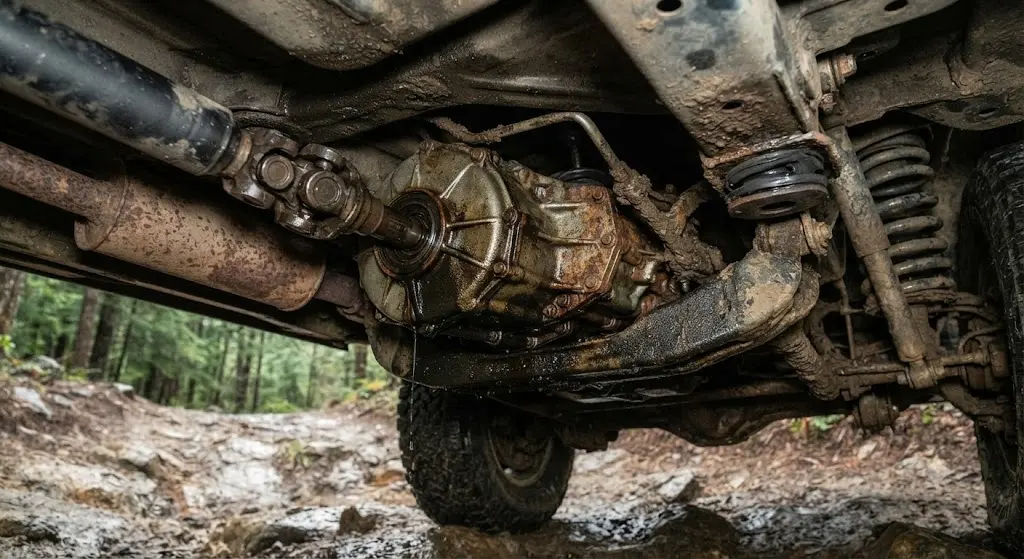
Like any mechanical component, transfer cases experience wear over time.
Some of the most common transfer case problems include:
Fluid Leaks
Seals eventually wear out.
Leaking fluid reduces lubrication and can cause serious internal damage if ignored.
Signs include:
- Oil spots underneath the vehicle
- Low fluid levels
- Burning smell
Grinding or Whining Noises
Unusual noises from the transfer case may indicate worn bearings, damaged gears, or low lubrication, especially during acceleration or when four-wheel drive is engaged. Just as How to Buy Second-Hand Car Parts recommends checking a component's condition before purchase, it's important to inspect transfer case issues early to prevent costly repairs.
Difficulty Shifting Modes
If your vehicle struggles to switch between 2H, 4H, or 4L, possible causes include:
- Shift motor failure
- Linkage problems
- Internal gear wear
- Low transfer case fluid
Vibrations While Driving
A damaged transfer case may create vibrations through the drivetrain.
However, vibrations can also result from worn driveshafts or universal joints, so proper diagnosis is important.
Four-Wheel Drive Won't Engage
If selecting 4WD has no effect, potential issues include:
- Faulty electronic actuator
- Damaged shift fork
- Broken internal gears
- Electrical faults
- Sensor failures
Professional inspection helps identify the exact cause.
Common Mistakes Drivers Make
Many transfer case failures are preventable.
Some of the biggest mistakes include:
Ignoring Fluid Changes
Transfer case oil doesn't last forever.
Old fluid loses its protective properties, increasing internal wear.
Always follow your manufacturer's recommended service intervals.
Using 4WD on Dry Pavement
Part-time systems are designed for loose surfaces.
Driving on dry asphalt in 4H can place unnecessary stress on gears, driveshafts, and axles.
Delaying Repairs
Small leaks can quickly become expensive internal failures.
Addressing problems early often saves significant repair costs later.
Forgetting to Exercise the System
Even if you rarely drive off-road, occasionally engaging four-wheel drive helps circulate lubricant and keeps components operating properly.
Many manufacturers recommend activating 4WD periodically.
Transfer Case Maintenance
Proper transfer case maintenance is relatively simple but extremely important.
Good maintenance habits include:
- Check fluid levels regularly.
- Replace transfer case fluid at recommended intervals.
- Inspect seals for leaks.
- Listen for unusual noises.
- Use the correct manufacturer-approved lubricant.
- Engage four-wheel drive periodically if recommended.
- Repair leaks promptly.
Routine maintenance often adds years to the life of drivetrain components.
When Does a Transfer Case Need Replacement?
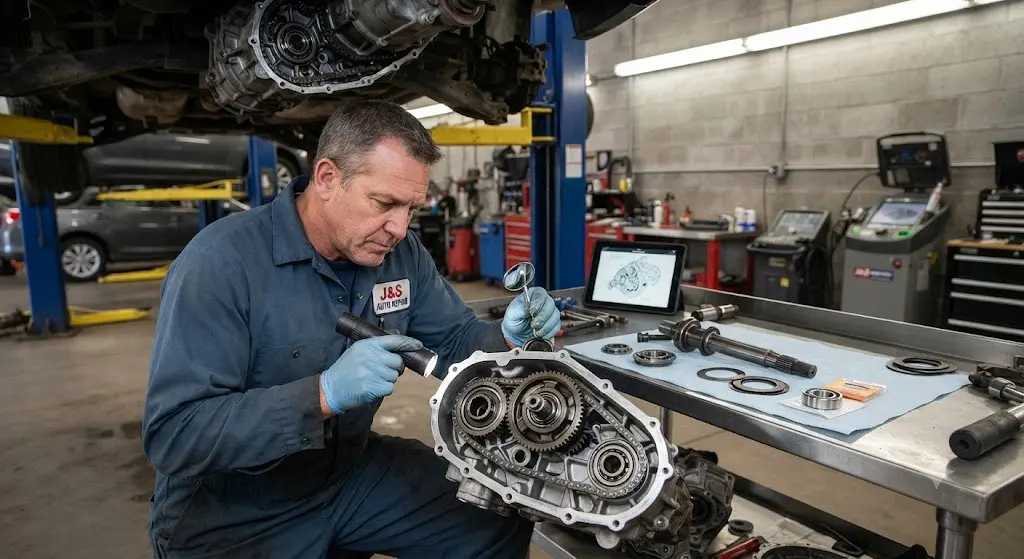
Not every transfer case problem requires replacing the entire unit.
Sometimes only specific parts need repair, including:
- Bearings
- Seals
- Shift motors
- Chains
- Sensors
However, severe gear damage or cracked housings may require a complete replacement. Before purchasing, use the Best Way to Compare Quotes for Car Parts Online to evaluate suppliers and pricing. Many Australian vehicle owners choose quality used transfer cases from reputable auto recyclers because they offer genuine OEM parts at a lower cost, with inspected and correctly matched components.
Understanding Transfer Case Replacement Cost
The overall transfer case replacement cost varies considerably depending on several factors:
- Vehicle make and model
- New versus used replacement unit
- Labor costs
- Availability of parts
- Extent of internal damage
Luxury four-wheel-drive vehicles generally have higher replacement costs than older utility vehicles.
If only seals or electronic actuators require replacement, repairs are often much less expensive than replacing the entire assembly.
Obtaining an accurate diagnosis before ordering parts can prevent unnecessary expenses.
Why Correct Diagnosis Matters
Drivetrain problems can sometimes mimic transfer case failure.
For example:
- Worn differentials
- Damaged driveshafts
- Faulty CV joints
- Transmission issues
- Wheel bearing failures
All can produce similar noises or vibrations.
Replacing the wrong component wastes both time and money.
Experienced technicians inspect the complete drivetrain before recommending repairs, ensuring the actual problem is addressed.
Buying a Used Transfer Case
A used transfer case can be a practical option if your original unit is beyond repair. Before buying, match the correct model and part number, check the warranty, confirm the mileage where possible, and inspect for leaks or damage.
How Auto Wreckers in Australia Help You Save Money on Car repairs explains why buying from a trusted automotive recycler is important for getting quality, properly matched drivetrain components.
Expert Perspective
Transfer cases are remarkably durable when maintained correctly.
Many last well over 200,000 kilometers without major issues.
Most serious failures aren't caused by manufacturing defects. Instead, they're often linked to neglected maintenance, operating a part-time 4WD system incorrectly, or ignoring early warning signs like leaks and unusual noises.
For drivers who regularly tow, travel on Australia's remote roads, or enjoy weekend off-road adventures, periodic inspections and timely fluid changes can make a significant difference in long-term reliability.
A little preventative care is usually far less expensive than major drivetrain repairs.
Conclusion
Understanding what a transfer case 4WD helps you become a more informed vehicle owner. Although it's often hidden beneath the vehicle, the transfer case plays an essential role in distributing power, improving traction, and enabling safe off-road performance.
By learning how a transfer case works, recognizing common warning signs, and following basic maintenance practices, you can reduce the likelihood of expensive repairs and keep your four-wheel-drive system operating as intended.
If you suspect transfer case issues or need replacement drivetrain components, consulting an experienced technician or sourcing quality compatible parts from a reputable automotive recycler is a sensible next step.
FAQs
What does a transfer case do in a 4WD?
A transfer case sends power from the transmission to both the front and rear axles, allowing all four wheels to receive power when four-wheel drive is engaged.
Can you drive with a bad transfer case?
Driving with a failing transfer case isn't recommended. Continued use may cause additional drivetrain damage and could eventually leave the vehicle unable to engage four-wheel drive.
How often should transfer case fluid be changed?
Service intervals vary by manufacturer, but many recommend inspecting or replacing the fluid every 30,000 to 60,000 miles, or according to the maintenance schedule in the owner's manual.
Is a transfer case the same as a differential?
No. A transfer case distributes power between the front and rear axles, while a differential distributes power between the left and right wheels on an axle.
Can a used transfer case be reliable?
Yes. A quality used transfer case sourced from a reputable automotive recycler can be a dependable option if it's correctly matched to the vehicle and has been inspected before sale.