How Timing Belts Work: Gold Coast Replacement Guide
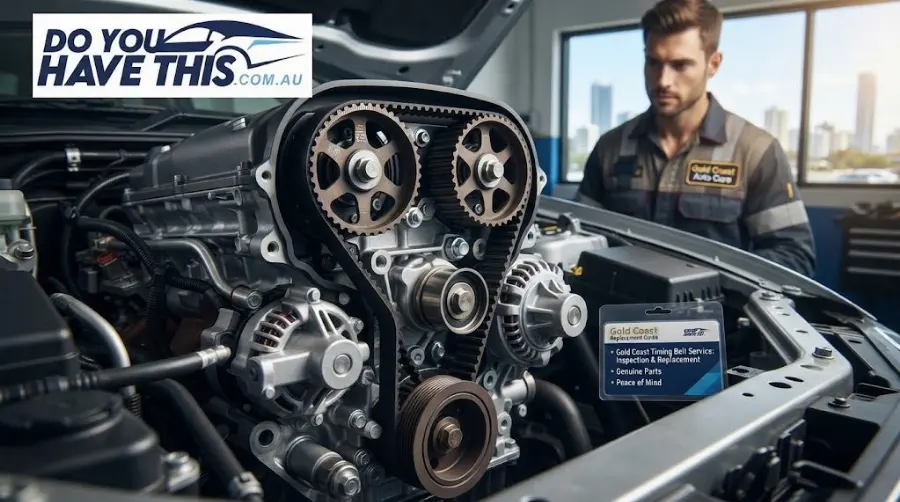
A timing belt is one of those engine components most drivers rarely think about until it fails. Unlike a worn tire or weak battery, it can look fine while gradually reaching the end of its service life. Understanding how timing belts work on the Gold Coast can help you recognize when maintenance is due and why waiting for obvious symptoms can be risky.
The timing belt keeps the crankshaft and camshaft synchronized so the engine's valves open and close at the correct time. If that timing is lost, the engine may stop running and, in some engines, suffer serious internal damage.
For Gold Coast drivers maintaining an older vehicle or buying a used car, knowing where to Find Reliable Car Wreckers can also help when sourcing compatible replacement parts
What Is a Timing Belt?
A timing belt, sometimes called a cam belt, is a reinforced toothed belt inside the engine. It connects the crankshaft to the camshaft or camshafts and keeps their rotation synchronized.
The crankshaft moves as the pistons travel up and down. The camshaft controls the opening and closing of the engine's valves. These movements must happen in a precise sequence.
The belt's teeth engage with matching gears or sprockets, preventing the components from rotating independently.
Depending on the engine design, the timing system may also drive the water pump. Some engines use separate drive arrangements, so this should always be checked for the specific vehicle.
The system may include:
- Timing belt
- Crankshaft sprocket
- Camshaft sprocket
- Tensioner
- Idler pulleys
- Water pump on some engines
- Timing belt cover
The belt itself is important, but the surrounding components matter just as much. A worn tensioner, idler, or water pump can affect belt operation and potentially lead to premature failure. Gates specifically recommends looking at the timing system as a complete system rather than treating the belt as an isolated component.
How Timing Belts Work
So, how timing belts work for Gold Coast drivers should begin with synchronization. The crankshaft rotates as the pistons move, and the timing belt transfers this rotation to the camshaft, which operates the valves at the correct point in the engine cycle.
The timing must remain accurate even when the engine is operating at high speed. If the belt jumps a tooth, becomes excessively loose, or breaks, the engine may run poorly, stop running, or fail to start.
The consequences depend heavily on the engine design. When maintaining an older vehicle, it is also useful to understand how to Safely Replace a used AC Compressor and the importance of correct procedures when replacing used automotive components.
Why Timing Is So Important
In some engines, the piston and valves occupy overlapping areas at different points in the combustion cycle. These are commonly called interference engines.
If the timing belt breaks in an interference engine, a piston can contact an open valve, potentially bending valves or causing other internal damage.
Not every engine is designed this way, which means the consequences of a broken belt vary by vehicle. That is one reason it is better to check the manufacturer's specifications than assume every timing belt failure has the same result.
Timing Belt vs Timing Chain
The timing belt vs timing chain comparison is common because both perform the same basic job: synchronizing the crankshaft and camshaft. A timing belt uses reinforced rubber-like material with toothed pulleys, while a timing chain uses metal links and sprockets.
Neither should simply be considered maintenance-free. Timing belts usually have a defined replacement interval, while timing chains can still stretch or develop guide and tensioner problems.
Understanding how other engine components work, such as How a Turbocharger Works and Signs It Needs Replacing, can also help drivers better understand why different engine parts require specific maintenance.
The correct maintenance schedule depends on the engine and manufacturer's recommendations.
Signs of a Failing Timing Belt
One problem with timing belts is that they may not provide a clear warning before failure.
Some signs of a failing timing belt can include:
- Ticking, squealing, or unusual engine noises
- Difficulty starting
- Engine misfires
- Reduced engine performance
- Rough or unusual idling
- Oil contamination or leakage near the timing area
- Visible belt damage during appropriate inspection
- Engine warning lights
Bosch lists unusual engine noises, starting difficulties, loss of power, oil leaks around the timing area, vibration, and warning lights among possible signs of timing belt problems. It also notes that similar symptoms can come from other engine components.
This last point is important.
A noisy engine does not automatically mean the timing belt is failing. A rough-running engine can have ignition, fuel, sensor, compression, or other mechanical problems.
Diagnosis should come before replacing parts.
When to Replace Timing Belt
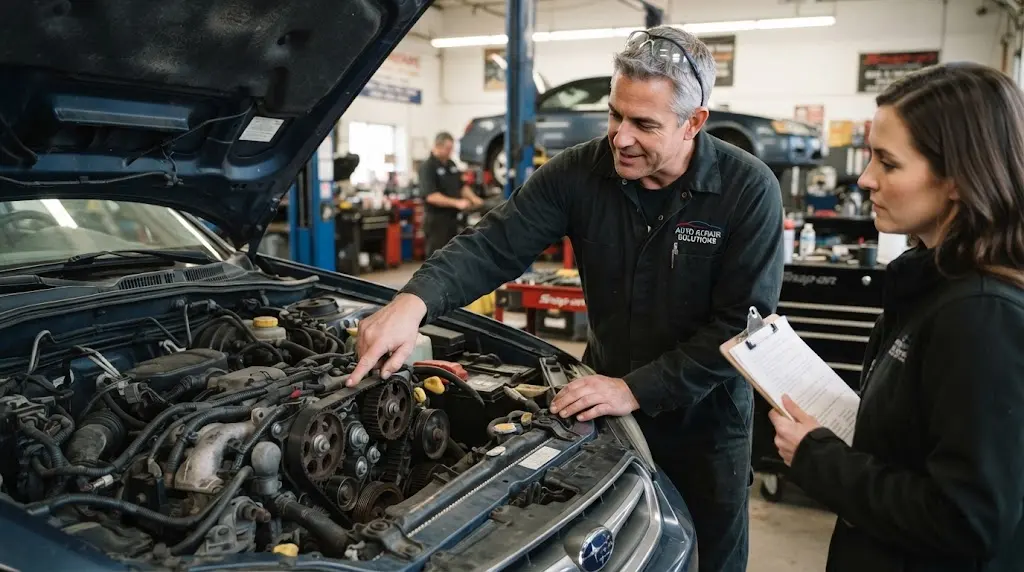
Knowing when to replace the timing belt is more important than waiting for a visible crack or obvious symptom. The correct interval varies by manufacturer and engine, with some vehicles specifying replacement by mileage, age, or both.
Gates recommends following the manufacturer's replacement schedule because timing belts can fail even when they do not appear obviously worn. Some Gold Coast services mention intervals around 90,000–150,000 kilometers or five to seven years, but these figures are not universal.
If you recently purchased a used vehicle and cannot confirm its timing belt history, check the service records. This is especially useful when dealing with older models where parts availability can also matter, such as Holden Commodore: Why Finding Spare Parts Is Getting Harder. A technician can help determine the appropriate maintenance schedule for your specific engine.
Why Gold Coast Conditions Still Matter
The question of how timing belts work on the Gold Coast also has a practical side because operating conditions can influence component life.
Hot temperatures, frequent stop-start driving, towing, heavy loads, and maintenance history can all affect how an engine and its timing components operate.
That does not mean Gold Coast weather automatically causes timing belt failure. Instead, temperature and driving conditions are among the factors that can influence belt and component life.
Gates notes that timing belt service life can vary with driving and temperature conditions, as well as maintenance history and other operating factors.
This is why following the manufacturer's schedule is safer than relying on a generic mileage number found online.
What Happens If a Timing Belt Breaks?
So, what happens if the timing belt breaks while the engine is running? In many cases, the engine stops immediately because the crankshaft and camshaft are no longer synchronized.
The starter motor may still turn the engine afterward, but it may not start because the valves are no longer operating at the correct time. On an interference engine, pistons and valves can come into contact, potentially causing serious internal damage.
If the belt breaks while driving, avoid repeatedly trying to restart the engine and arrange proper diagnosis. If you need a replacement component after the damage is assessed, you can use Need a Car Part and search for a suitable option.
What Is Included in a Timing Belt Replacement?
Replacing the belt itself is only part of the job.
A proper timing belt service may involve inspecting or replacing:
- Timing belt
- Tensioner
- Idler pulleys
- Water pump where applicable
- Seals where required
- Related fasteners or components specified by the manufacturer
The reason is practical. If an old tensioner or idler bearing fails after a new belt is installed, the new belt can be damaged as a result.
Gates highlights tensioners and idler bearings as important parts of the timing system and warns that worn components can contribute to premature belt failure.
Similarly, if the water pump is driven by the timing belt and its bearing or seal is failing, replacing it during the timing service may avoid having to repeat substantial labor later. Whether this is appropriate depends on the specific engine.
Understanding Timing Belt Replacement Cost
The timing belt replacement cost can vary considerably from one vehicle to another. Labor is often a major part of the expense because the belt may be located behind covers and other engine components.
The total cost may include:
- Timing belt
- Tensioner and idler components
- Water pump, if applicable
- Seals or related parts
- Labor
- Coolant or other fluids where required
A cheaper quote is not always the better option if important components are excluded. When comparing quotes, ask what is included. If you're also sourcing replacement parts, you can Search vehicles that wreckers have in stock right now to explore available options..
Common Timing Belt Mistakes
Waiting for the Belt to Make Noise
Some belts fail without providing an obvious warning. Waiting for a noise can mean waiting too long.
Using a Generic Replacement Interval
A timing belt schedule is specific to the engine. Always check the manufacturer's recommended interval.
Replacing Only the Belt
The belt works as part of a larger system. Tensioners, idlers, and sometimes the water pump deserve attention during the service.
Ignoring Service History
If you cannot confirm when the belt was last changed, don't assume the previous owner replaced it.
Choosing Parts Without Checking Compatibility
Different engines can require different belt profiles, tensioners, and installation procedures. The exact vehicle and engine details matter.
Expert Perspective: Why Correct Installation Matters
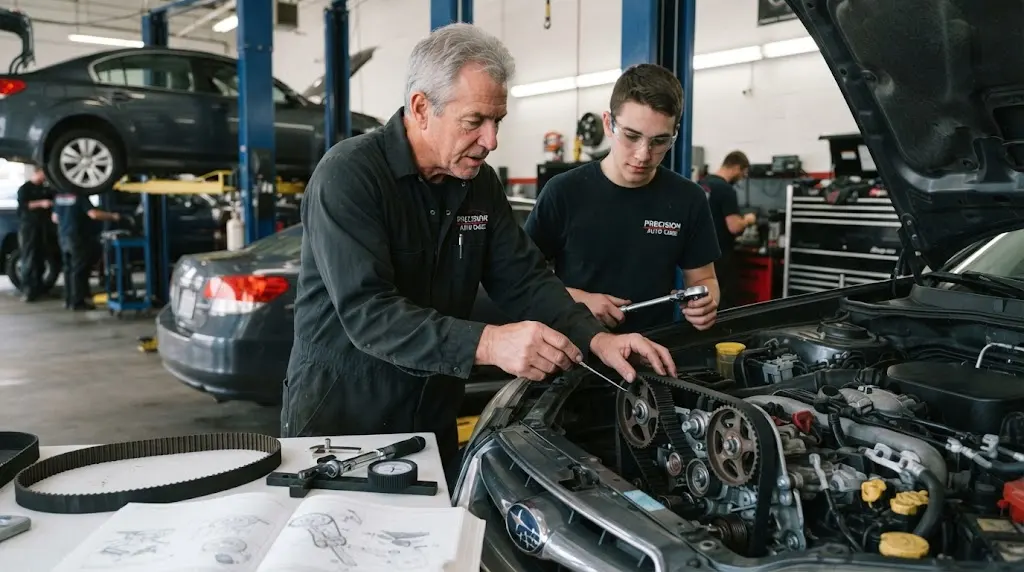
Timing belt replacement is not simply a matter of taking an old belt off and fitting a new one. The crankshaft and camshaft must be positioned correctly, the belt installed with the correct tension, and the tensioner set according to the manufacturer's procedure.
Incorrect tension can cause tracking problems, premature wear, or other timing-system failures. This is also why using the correct tools and service information matters, especially when working on vehicles where Ford Falcon Parts Are Getting Hard to Find in Canberra.
An experienced technician will normally verify timing alignment and system operation before returning the vehicle to service.
Buying a Used Car With a Timing Belt
If you're considering a used vehicle, ask about the timing belt before buying.
Useful questions include:
- Does the engine use a timing belt or chain?
- When was it last replaced?
- Is there an invoice or service record?
- Was the water pump replaced at the same time where applicable?
- What mileage was recorded at the replacement?
- Is the vehicle now due based on the manufacturer's schedule?
If there is no reliable record, factor potential timing service into your ownership costs.
This can be particularly useful when comparing two similar used vehicles. A car with documented timing belt maintenance may represent a different maintenance position from one with an unknown history, even if both appear mechanically sound.
Final Thoughts
A timing belt may be hidden from view, but its role inside the engine is anything but minor. It keeps critical engine components synchronized, and a failure can range from an engine that simply stops running to major internal damage, depending on the engine design.
By understanding how timing belts work, Gold Coast drivers can make better maintenance decisions, especially when buying an older or used vehicle.
The most important rule is not to wait for the belt to fail. Check the manufacturer's replacement schedule, confirm the vehicle's service history, and have the complete timing system assessed when replacement is due.
If you're looking for a specific used vehicle component or researching parts for an older car, you can explore available options through DoYouHaveThis.
FAQs
How often should a timing belt be replaced?
The interval varies by vehicle and engine. It may be based on mileage, age, or both. Always follow the manufacturer's recommended schedule rather than relying on a universal number.
What are the signs of a failing timing belt?
Possible signs include unusual engine noises, difficulty starting, misfires, rough running, reduced performance, oil leaks around the timing area, and warning lights. However, these symptoms can also have other causes.
Is a timing belt better than a timing chain?
Neither is automatically better. Timing belts and chains use different designs and have different maintenance requirements. The correct system depends on the engine.
What happens if a timing belt breaks?
The engine will usually stop running because the crankshaft and camshaft lose synchronization. On some interference engines, the resulting contact between pistons and valves can cause serious internal damage.
How much does timing belt replacement cost?
There is no single price because labor time, vehicle design, parts, and related components vary. Ask for a quote that clearly explains what parts and labor are included.