What Car Parts Wear Out Fastest on Australian Roads
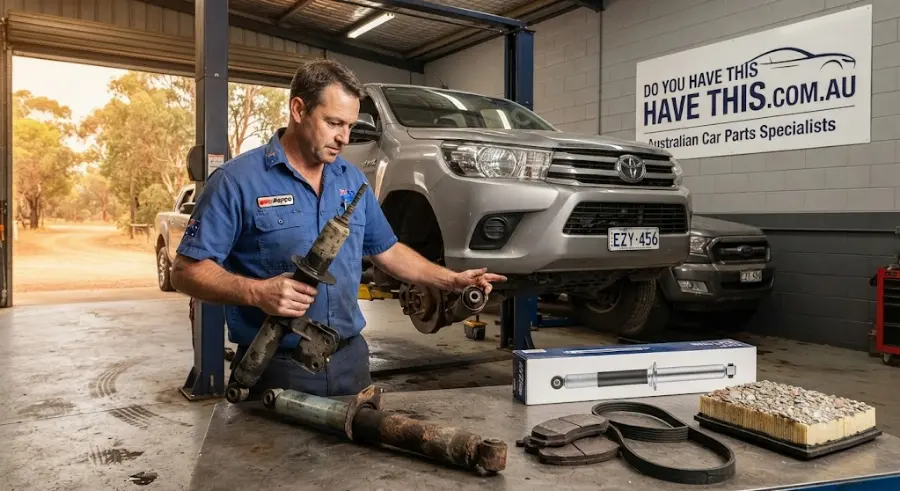
Owning a car in Australia means driving through some of the world's most varied conditions. A single week might include city traffic, rough country roads, coastal humidity, scorching summer heat, and long highway trips. These changing environments place constant stress on vehicle components, causing some parts to wear much faster than others.
Many drivers assume a part only needs attention once it completely fails, but most components show gradual signs of wear long before that happens.
Whether you're maintaining your vehicle or learning how to Find Used Car Parts in Australia, understanding which parts wear out most often helps you make smarter maintenance decisions and avoid costly repairs.
Why Australian Roads Are Tough on Vehicle Components
Australia presents unique challenges for vehicles compared to many other countries.
Some of the biggest contributors to car parts wear and tear include:
- High summer temperatures
- UV exposure
- Dusty regional roads
- Stop-start urban traffic
- Long-distance highway driving
- Heavy towing
- Coastal salt exposure
- Rough or uneven road surfaces
Even a well-built vehicle experiences faster wear when exposed to several of these conditions over many years.
Regular servicing helps reduce damage, but no mechanical component lasts forever.
1. Brake Pads
Brake pads are among the most frequently replaced car parts on any vehicle.
Every time you slow down, the brake pads create friction against the brake rotors. That friction safely stops your vehicle but it also slowly wears the pads away.
Factors that speed up brake wear
- Heavy city driving
- Frequent traffic lights
- Driving in hilly areas
- Carrying heavy loads
- Aggressive braking habits
Drivers who mainly travel on highways often see their brake pads last significantly longer than those driving through busy metropolitan areas.
Common warning signs
- Squealing noises
- Grinding sounds
- Reduced braking performance
- Brake warning light
- Vibrations while braking
Ignoring worn brake pads can eventually damage the brake rotors, increasing repair costs.
2. Tires
Tires are designed to wear gradually, but Australian conditions can accelerate the process.
Hot pavement softens rubber compounds, while rough roads increase abrasion. Incorrect tire pressure also shortens tire life considerably.
Common causes of early tire wear
- Underinflation
- Overinflation
- Poor wheel alignment
- Worn suspension
- Fast cornering
- Heavy loads
Uneven tire wear usually indicates another mechanical issue rather than simply old tires.
Rotating tires regularly and checking alignment can significantly extend their lifespan.
3. Windshield Wiper Blades
Although inexpensive, wiper blades often become ineffective much sooner than many drivers expect.
Australia's intense sunlight causes rubber to dry out, crack, and lose flexibility.
Signs they're due for replacement include:
- Streaking
- Chattering
- Skipping across the windshield
- Split rubber edges
Replacing wiper blades before the rainy season greatly improves visibility and driving safety.
4. Battery
Extreme temperatures can significantly affect battery performance. Hot weather speeds up internal deterioration, while cold mornings make starting the engine more demanding.
If you're Using Online Marketplaces to Upgrade Your Vehicle, remember that replacing an aging battery with a quality unit can improve reliability, especially since most batteries last only three to five years depending on driving conditions.
Warning signs
- Slow engine cranking
- Dim headlights
- Dashboard battery warning light
- Electrical accessories working inconsistently
Regular battery testing during servicing can identify weakening batteries before they leave you stranded.
5. Suspension Components
Australia's rough roads place constant pressure on suspension systems.
Parts that commonly wear include:
- Shock absorbers
- Struts
- Bushings
- Ball joints
- Control arm components
These high-wear car parts gradually lose their ability to absorb road impacts.
Symptoms of worn suspension
- Excessive bouncing
- Uneven tire wear
- Poor handling
- Knocking noises
- Longer stopping distances
Many drivers mistakenly attribute these symptoms to tire problems when worn suspension is actually responsible.
6. Engine Oil and Oil Filters
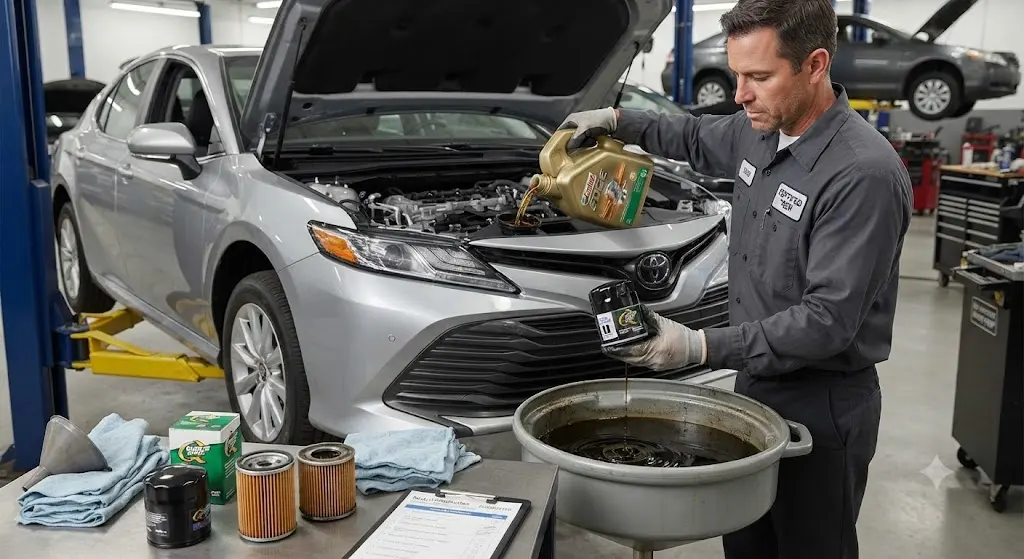
Although engine oil and filters are maintenance items rather than permanent components, they are among the most frequently replaced parts.
Whether you're Connecting Car Owners and Parts Sellers Across Australia or simply maintaining your vehicle, regular oil and filter changes help reduce engine wear, improve lubrication, and extend engine life by removing contaminants and following the manufacturer's service schedule.
7. Air Filters
Australian dust presents a constant challenge for both engine and cabin air filters.
Engine air filter
A clogged engine filter restricts airflow, reducing efficiency and sometimes increasing fuel consumption.
Cabin air filter
This filter traps:
- Dust
- Pollen
- Pollution
- Road debris
Drivers in rural or construction-heavy areas often need more frequent filter replacements than standard service schedules suggest.
8. Spark Plugs
Spark plugs ignite the air-fuel mixture inside gasoline engines.
As they age, their electrodes gradually wear, making ignition less efficient.
Symptoms include:
- Rough idle
- Hard starting
- Reduced fuel economy
- Engine hesitation
- Misfires
Modern spark plugs last much longer than older designs, but eventually every set requires replacement.
9. Drive Belts
Serpentine belts power multiple engine accessories, including:
- Alternator
- Water pump
- Air conditioning compressor
- Power steering (on some vehicles)
Heat causes rubber belts to become brittle over time.
Inspect belts regularly for:
- Cracks
- Fraying
- Glazing
- Missing ribs
Replacing a worn belt before it snaps helps avoid unexpected breakdowns.
10. Wheel Bearings
Wheel bearings support vehicle weight while allowing wheels to rotate smoothly.
Although designed for long service life, rough roads, water exposure, and impacts can shorten their lifespan.
Typical symptoms include:
- Humming noise
- Grinding sound
- Steering vibration
- Wheel looseness
Ignoring worn bearings can eventually affect safe vehicle operation.
11. Suspension Bushings
Rubber bushings isolate vibration between suspension components.
Constant movement, heat, and aging eventually cause rubber to crack or separate.
Drivers may notice:
- Clunking noises
- Poor steering response
- Increased vibration
- Uneven tire wear
These relatively small components play an important role in ride quality.
12. Clutch (Manual Vehicles)
Manual transmission vehicles eventually require clutch replacement.
Clutch life depends heavily on driving style.
Driving habits that accelerate wear include:
- Riding the clutch pedal
- Frequent stop-start traffic
- Towing heavy loads
- Aggressive launches
A slipping clutch often develops gradually before complete failure.
What Makes Some Parts Wear Faster Than Others?
Not every vehicle experiences the same replacement schedule.
Several factors influence how quickly fast-wearing car parts reach the end of their service life.
Driving Style
Smooth acceleration and gentle braking reduce stress on numerous components.
Aggressive driving places additional strain on:
- Brakes
- Tires
- Suspension
- Transmission
Vehicle Weight
Cars regularly carrying heavy cargo experience increased wear on:
- Suspension
- Tires
- Brakes
Commercial vehicles naturally require more frequent maintenance than lightly used passenger cars.
Road Conditions
Smooth highways are far less demanding than:
- Gravel roads
- Corrugated tracks
- Potholes
- Construction zones
Even occasional off-road driving increases suspension wear.
Climate
Australia's climate contributes to:
- Faster rubber deterioration
- Increased battery aging
- UV damage
- Dust contamination
Environmental conditions often influence replacement intervals as much as mileage.
Practical Tips to Extend the Life of Wearing Parts
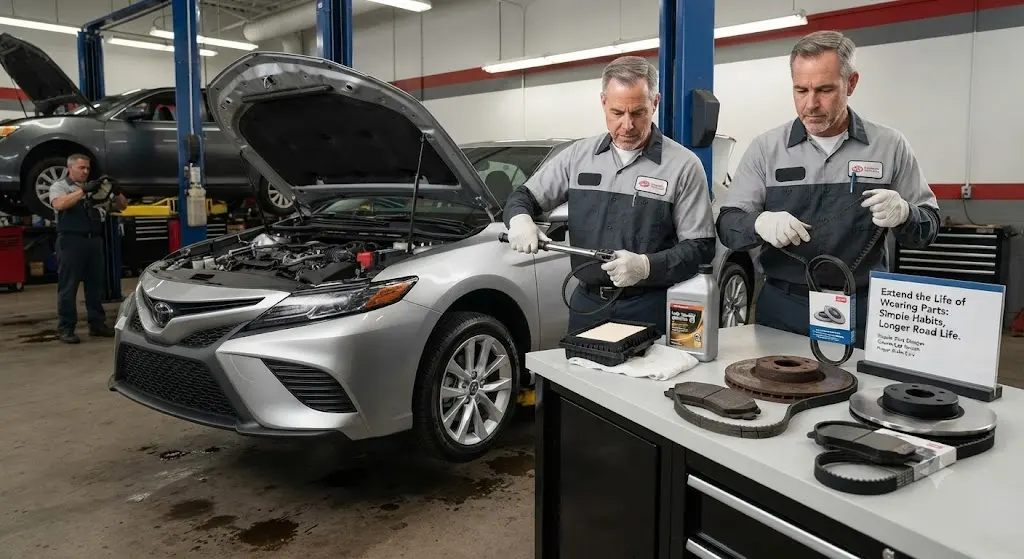
While replacement is inevitable, several simple habits can slow normal wear.
Maintain correct tire pressure
Proper tire inflation improves tire life, fuel economy, handling, and braking performance.
Along with Buy Used Car Parts Smarter With a Request-Based Auto Parts approach, following simple maintenance practices like keeping your tires properly inflated can help reduce long-term vehicle ownership costs.
Avoid harsh braking
Looking ahead and slowing gradually reduces brake wear considerably.
Keep up with servicing
Routine inspections often identify worn components before they cause additional damage.
Listen for unusual noises
Many mechanical failures begin with subtle sounds.
Investigating early usually prevents larger repairs.
Replace small parts before they affect larger ones
For example, replacing worn brake pads early helps protect expensive brake rotors.
Common Mistakes Drivers Make
Many expensive repairs begin with small maintenance oversights.
Some of the most common mistakes include:
Waiting until something breaks
Most components give warning signs before complete failure.
Ignoring them usually increases repair costs.
Skipping inspections
A quick inspection during servicing often catches problems long before drivers notice them.
Buying the cheapest replacement available
Price alone shouldn't determine replacement parts.
Quality, compatibility, and condition matter just as much.
Ignoring uneven tire wear
Uneven wear often points to suspension or alignment issues rather than simply old tires.
Replacing only the tires without addressing the underlying cause rarely solves the problem.
Expert Perspective
Experienced mechanics rarely judge a vehicle's condition by mileage alone.
Instead, they look at how the vehicle has been driven, maintained, and exposed to environmental conditions. Two cars with identical odometer readings can have very different levels of wear depending on their history.
Professional inspections also consider related components. For example, replacing worn brake pads without checking rotors or calipers may overlook problems that could affect braking performance later. Likewise, uneven tire wear often prompts an inspection of wheel alignment and suspension rather than simply fitting new tires.
For drivers considering replacement parts, choosing components that match the vehicle's specifications and intended use is usually more important than focusing solely on the lowest price. A well-maintained vehicle with properly fitted parts generally delivers better reliability and lower long-term ownership costs.
Conclusion
Every vehicle contains components that naturally wear over time, especially under Australia's demanding driving conditions. Brakes, tires, batteries, suspension parts, filters, belts, and other regularly serviced components all have predictable lifespans, but those lifespans depend heavily on driving habits, maintenance, and the environments your vehicle encounters.
Understanding car parts that wear fast Australia drivers commonly replace allows you to plan maintenance before small issues become expensive repairs. Paying attention to early warning signs, following recommended service schedules, and addressing wear promptly helps keep your vehicle safer, more reliable, and more economical to own.
If you're unsure about the condition of a particular component, a professional inspection can provide peace of mind and help you decide whether replacement is necessary now or can safely wait until the next service.
FAQs
Which car part usually wears out first?
Brake pads and windshield wiper blades are often among the first components to require replacement because they experience regular use and natural wear.
Does Australian heat make car parts wear faster?
Yes. High temperatures can accelerate the aging of batteries, rubber belts, hoses, tires, and other components exposed to heat and sunlight.
How often should I inspect wear items?
A visual inspection during every scheduled service is a good practice. Drivers covering high annual mileage or frequently traveling on rough roads may benefit from more frequent checks.
Can rough roads damage suspension parts?
Yes. Potholes, gravel roads, and uneven surfaces increase stress on shocks, bushings, ball joints, and other suspension components, potentially shortening their service life.
Is it cheaper to replace parts early?
In many cases, yes. Replacing worn parts before they fail can prevent damage to related components and reduce overall repair costs.