Read a Compatibility Chart: VIN Decoding for Australian Car Parts
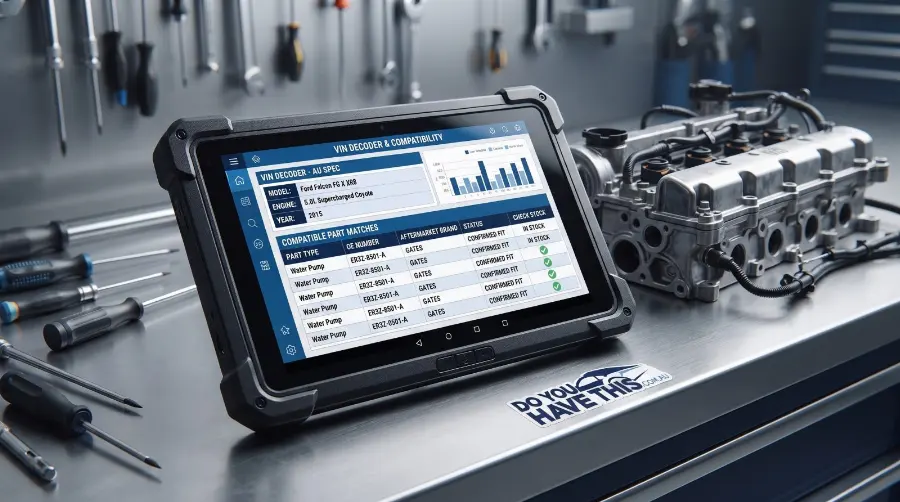
Order the wrong brake caliper once, and you won't forget the feeling. Two cars can look identical, same badge, same year, parked side by side at the lights, and still run different engines, different trims, or a mid-year spec change that swapped out half the parts bin. That's the gap a proper car VIN check Australia mechanics rely on actually closes. It isn't just a formality for your rego renewal. It's the one string of characters that tells a supplier or a wrecking yard exactly what's bolted onto your specific car, not just what left the factory under that model name. If you've used our VIN-based parts lookup tool before, you've already leaned on this system without necessarily knowing how to read it yourself. This guide breaks down how VIN decoding works and how to read a compatibility chart so the part that arrives at your door is the one that actually fits.
What a VIN Actually Encodes
A Vehicle Identification Number runs 17 characters, and every block does a job. The first section identifies the manufacturer, country of assembly, and vehicle type. The middle section, the part most people skip, carries the body style, engine code, transmission type, and restraint system. The final section is a production sequence number, which is why two cars built a week apart can carry meaningfully different codes.
For parts sourcing, that middle section is the one that matters. Any decent VIN lookup Australia tool will pull it apart for you, but understanding what you're looking at means you can sanity-check the result instead of just trusting whatever pops up on screen. It's also worth knowing the difference between a VIN decode for parts fitment and a PPSR or NEVDIS check, which tells you whether a vehicle is stolen, written off, or has money owing on it. Both use the VIN. They answer completely different questions.
Why a Compatibility Chart Beats Guessing by Model Year
Model-year guides are a rough starting point, not a source of truth. Manufacturers run running changes constantly: a supplier swap, an ADR compliance update, a mid-cycle facelift, and none of that shows up if you're only matching by year and model. A compatibility chart cross-references the VIN's specific engine and chassis codes against the parts catalogue, so it accounts for those changes instead of assuming every car built in a given year is identical.
This is where an Australian VIN decoder earns its keep. Run the VIN, note the chassis and engine codes, then check those codes, not the model year alone, against the catalogue. It's one extra step, and it's usually the difference between the part fitting straight away and it going back in a box.
How to Find Your Vehicle's VIN
Before decoding anything, you need a clean read of the number. In Australia, there are three reliable places to look:
- Stamped on the compliance plate, typically under the bonnet near the firewall
- Visible through the windscreen on the driver's side of the dashboard
- Printed on your registration papers or compliance certificate
If the plate is corroded, coastal cars especially can suffer here; the paperwork is your backup. Write the VIN down exactly as it appears; mixing up a zero and the letter O is one of the more common ways people end up decoding the wrong vehicle entirely. For additional information on vehicle identification and documentation, visit doyouhavethis.com.au
How to Find Car Parts Using Your VIN
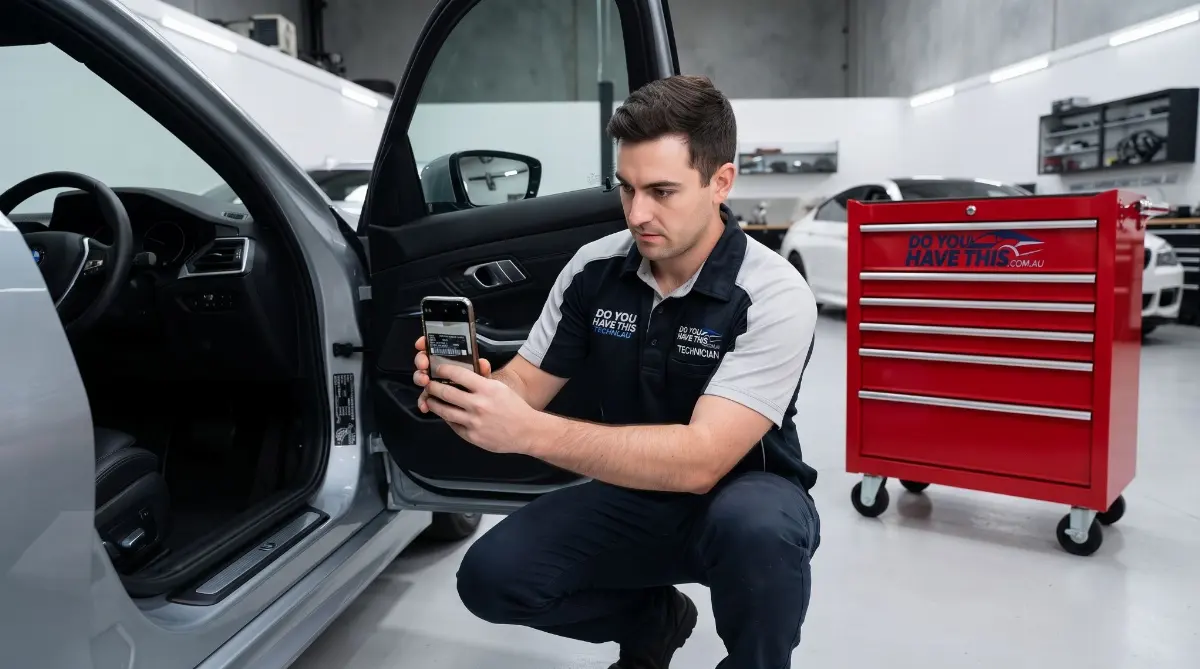
Once you've got a clean VIN, the process for finding matching parts is fairly consistent across most Australian suppliers and wrecking yards:
- Enter the full 17-character VIN into a decoder or your supplier's lookup tool.
- Confirm the decoded engine and transmission codes match your own knowledge of the car (check the engine bay plate if you're unsure).
- Cross-reference those codes against the part you need, rather than just the model and year.
- Where a chart shows multiple options for your VIN range, check the production date, since running changes often split mid-year.
Learning how to use VIN to find car parts this way saves time even when you're buying from a physical counter, because you can tell staff the exact codes instead of hoping they pull the right variant from memory.
Reading Paint Codes and Tyre Sizes From Your VIN
Two of the most common lookups people run aren't for mechanical parts at all. If you're chasing touch-up paint, the paint code is usually decoded from the same VIN plate or a dedicated paint-code field on the compliance plate itself, and it's specific to the exact colour your car left the factory wearing, not just the colour family. Getting this wrong is how you end up with a close panel, but visibly off in direct sun.
Tyre size works a little differently. Your VIN alone won't always return a tyre size instantly, since some manufacturers offered multiple wheel and tyre packages on the same build. The more reliable path is checking the tyre placard on the driver's door jamb alongside your VIN-confirmed trim level, which together confirm the exact size your car was built to run.
Common Mistakes That Send the Wrong Part to Your Door
A few patterns show up again and again:
- Ordering by model and year alone, and skipping the engine code entirely
- Reading a corroded compliance plate incorrectly instead of confirming against paperwork
- Assuming a decoded paint code applies to a car that's had a respray
- Trusting a parts chart that hasn't been updated for a recent running change
None of these are complicated to avoid. They just require treating the VIN as the source of truth, rather than a formality you fill in and move past.
When to Use an Australian VIN Decoder vs Calling the Dealer
For most common parts, wear items, filters, brake components, trim pieces, a good VIN decoder Australia suppliers use will get you the right answer faster than a phone call. Where it's worth checking with the dealer directly is for rare or recalled components, or where a compatibility chart shows conflicting results for your exact VIN range. That's not a failure of the decoder; it's just a sign the part in question genuinely had more than one variant across the production run, and it's worth confirming before you commit to a purchase.
Get the Right Part the First Time
Decoding a VIN properly takes a few extra minutes. Reordering a part that doesn't fit takes a lot more than that, plus shipping both ways if you're not local to a physical counter. If you're not confident reading the compatibility chart yourself, our team can run the VIN check and match the part for you, saving the guesswork on your end. Have a look at our parts sourcing service for local customers, or if you've already got a VIN and a part number in hand, get in touch, and we'll confirm fitment before anything ships.
For more on keeping your car's paperwork and compliance details in order, our earlier piece on understanding your compliance plate is worth a read, and if you're weighing OEM against aftermarket for your next order, we covered that in OEM vs aftermarket parts: what actually matters.
FAQs
How do I find my VIN?
Check under the bonnet near the firewall for the compliance plate, look through the windscreen on the driver's side of the dashboard, or pull it from your registration papers. All three should match exactly; if they don't, use the paperwork as your reference point.
How do I use a VIN lookup for parts?
Enter the full 17-character VIN into a decoder to get the engine, transmission, and trim codes, then match those codes against the parts catalogue rather than just the model and year. This accounts for mid-year running changes that a basic model search would miss.
Can I find my tyre size from my VIN?
Sometimes, but it's not always reliable on its own since some models offered multiple tyre packages. The tyre placard on the driver's door jamb, checked alongside your VIN-confirmed trim, gives a more dependable answer.
How do I find my paint code from my VIN?
Most Australian-delivered vehicles have the paint code printed on the compliance plate itself, or it can be decoded from the VIN through your manufacturer or a trusted VIN decoder tool in Australia. Keep in mind a respray won't be reflected in the factory code.
Do you offer VIN decoding as part of your service?
Yes. If you'd rather not decode the chart yourself, send us your VIN, and we'll confirm the exact part before anything ships. Contact us with your VIN and the part you're after, and we'll take it from there.