Is It Safe to Drive With a Worn Brake Rotor?
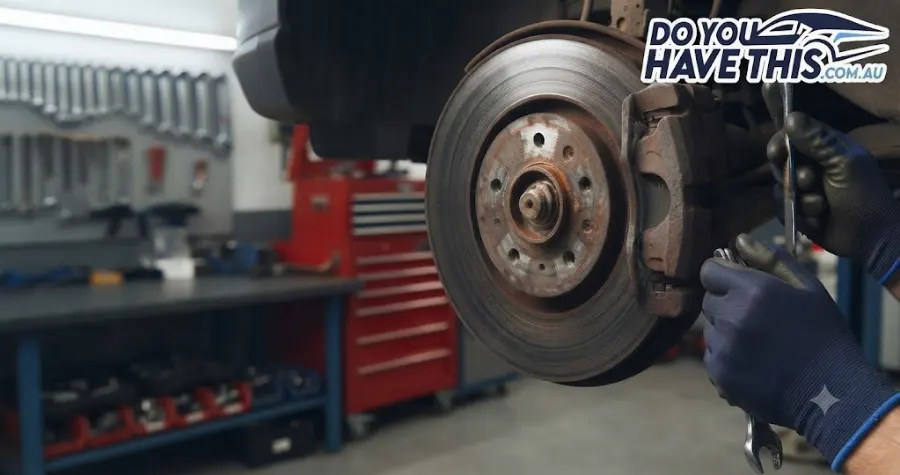
Most drivers expect their brakes to work every time they press the pedal. It's one of those parts of a vehicle that people rarely think about until something feels different. Maybe the steering wheel shakes when you slow down, you hear a grinding noise, or the car takes longer than usual to stop.
These warning signs often point to a problem with the brake rotors.
A common question drivers ask is: is it safe to drive a worn brake rotor? The short answer is that it depends on the level of wear, but in many situations, continuing to drive with worn or damaged rotors increases safety risks and can lead to more expensive repairs.
At doyouhavethis.com.au, we believe that understanding what brake rotors do, how they wear out, and when they need attention can help you make informed decisions before a small issue turns into a major repair.
What Does a Brake Rotor Actually Do?
Brake rotors are the large metal discs attached to each wheel. When you press the brake pedal, the brake pads clamp onto the rotor, creating friction that slows and stops the vehicle.
Every stop generates heat. Whether you're driving in city traffic, towing a trailer, or traveling through mountainous roads, your brake rotors repeatedly absorb and release enormous amounts of heat.
Over thousands of kilometers, this constant heating and cooling gradually wears the rotors down.
Although brake rotors are built to last, they don't last forever. Like brake pads, they're considered wear-and-tear components that eventually require replacement.
Why Brake Rotors Wear Out
Several factors affect rotor lifespan.
Everyday Driving
Frequent stop-and-go traffic causes more braking than highway driving, increasing wear over time.
Heat Buildup
Heavy braking creates intense heat. Repeated hard stops can cause the rotor surface to warp or develop uneven wear.
Poor Quality Brake Pads
Some brake pads wear faster or create excessive heat, which can shorten rotor life.
Rust and Corrosion
Vehicles parked outside or driven in wet conditions may develop rust on rotor surfaces. Light surface rust usually disappears during driving, but deeper corrosion can damage the braking surface.
Heavy Loads
Carrying heavy cargo or towing places additional stress on the braking system, accelerating wear.
Is It Safe to Drive Worn Brake Rotors?
The answer depends on how worn the rotor is.
If a mechanic has identified minor wear that remains within the manufacturer's specifications, the vehicle may still be safe for limited driving while you schedule maintenance.
However, once the rotor becomes excessively thin, warped, cracked, or severely damaged, continuing to drive is no longer recommended. While inspecting your braking system, it's also a good opportunity to check other safety-related components, such as the RH Indicator Lamp and Headlight Trim, to ensure your vehicle remains safe and roadworthy.
Ignoring worn brake rotor safety concerns can affect:
- Stopping distance
- Braking consistency
- Vehicle stability
- Brake pad life
- Overall brake system performance
Even if the vehicle still stops, it may not stop as predictably during an emergency.
That's where the real safety concern begins.
Common Signs Your Brake Rotors Need Attention
Recognizing bad brake rotor symptoms early can help prevent larger problems.
Steering Wheel Vibrations
If the steering wheel shakes while braking, warped rotors are often the cause.
The uneven rotor surface creates inconsistent contact with the brake pads, producing vibration.
Pulsing Brake Pedal
A brake pedal that pulses or feels uneven usually indicates rotor thickness variation.
Instead of smooth braking, you'll feel repeated pulses through your foot.
Grinding Noises
Grinding often means the brake pads have worn down completely.
At this point, metal contacts the rotor directly, causing rapid damage.
Squealing Sounds
Although squealing often comes from worn brake pads, it can also signal rotor issues if accompanied by other symptoms.
Visible Grooves
Deep grooves or scoring on the rotor surface indicate excessive wear.
The smoother the braking surface, the more effectively your brakes operate.
Longer Stopping Distances
If your vehicle takes noticeably longer to stop than usual, worn rotors may be contributing to reduced braking efficiency.
What Happens If You Keep Driving?
Many people continue driving with worn brake rotors because the vehicle still seems to function.
Unfortunately, braking problems rarely improve on their own.
Instead, they usually become more expensive.
Brake Pads Wear Faster
Damaged rotors create uneven contact with brake pads.
This accelerates pad wear, meaning you'll likely replace both components sooner.
Increased Heat
Uneven rotors generate additional heat.
Excessive heat can affect brake fluid and other brake components.
Damage Spreads
Ignoring damaged rotors may eventually affect:
- Brake calipers
- Wheel bearings
- Suspension components
- Tires (through vibration)
Replacing rotors early is usually much less expensive than repairing multiple brake system parts later.
Can Worn Rotors Cause Brake Failure?
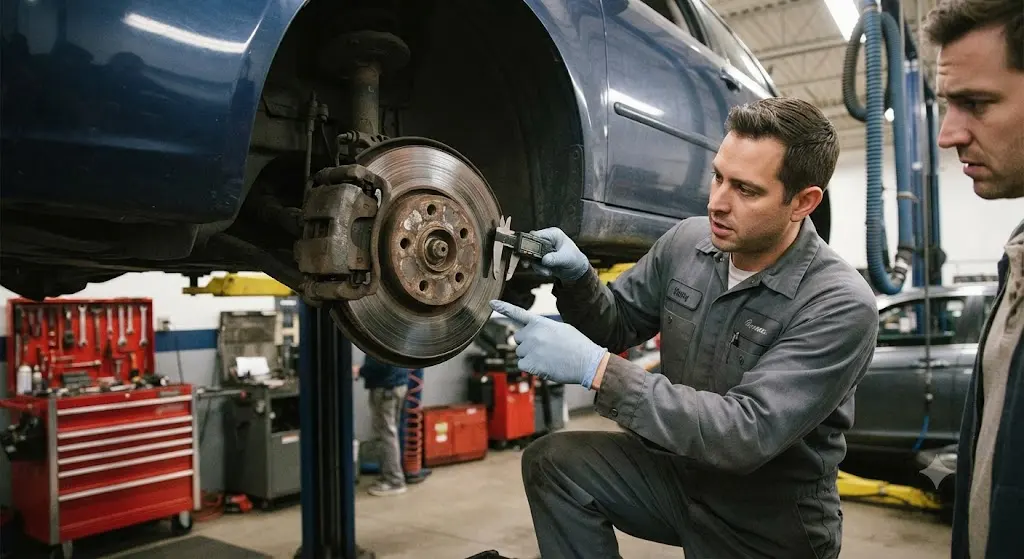
Complete brake failure from worn rotors alone is uncommon. However, severely worn or cracked rotors can significantly reduce braking performance. In extreme cases, cracked rotors may fail under heavy braking. Emergency stops place enormous stress on brake components, making existing damage much more dangerous.
Even without complete failure, any reduction in stopping ability increases accident risk. If you need a replacement brake rotor or other components, visit the Need a Car Part? section to find quality parts that match your vehicle.
Worn Rotors vs. Damaged Rotors
Not every worn rotor is severely damaged.
Understanding the difference helps explain repair recommendations.
Worn Rotors
Normal wear happens gradually.
Rotors become thinner over time but may still function safely if they remain above the minimum thickness specified by the manufacturer.
Damaged Brake Rotors
Damaged brake rotors may include:
- Deep cracks
- Heavy scoring
- Severe rust
- Warping
- Heat spots
- Excessive thinning
These issues typically require replacement rather than resurfacing.
Can Brake Rotors Be Resurfaced?
Sometimes.
Rotor resurfacing removes a thin layer of metal to create a smooth braking surface.
However, resurfacing is only possible when enough material remains.
Modern vehicles often use lighter rotors that reach minimum thickness more quickly.
Because of this, many repair shops recommend replacement instead of machining.
A technician measures rotor thickness before making that decision.
How Mechanics Inspect Brake Rotors
Professional inspections involve more than a visual check.
Technicians typically examine:
- Rotor thickness
- Surface condition
- Heat damage
- Cracks
- Runout (how evenly the rotor rotates)
- Brake pad condition
- Caliper performance
These measurements determine whether the rotor remains within manufacturer specifications.
Common Mistakes Drivers Make
Waiting Until Brakes Become Noisy
Noise usually appears after wear has already progressed.
Routine inspections catch problems earlier.
Replacing Only Brake Pads
Installing new pads on badly worn rotors often reduces braking performance and shortens pad life.
Most mechanics inspect both components together.
Ignoring Small Vibrations
Drivers often assume slight steering wheel vibration isn't serious.
In reality, early vibration frequently signals rotor problems before they become severe.
Delaying Brake Inspections
Regular maintenance helps identify brake issues before they become safety concerns.
How Often Should Brake Rotors Be Replaced?
There isn't one universal mileage.
Rotor lifespan depends on:
- Driving habits
- Vehicle weight
- Road conditions
- Brake pad quality
- Driving environment
Some rotors last well beyond 70,000 kilometers, while others need replacement much sooner.
Instead of relying only on mileage, pay attention to performance and schedule brake inspections during routine servicing.
Tips for Extending Rotor Life
Although rotors eventually wear out, good driving habits help them last longer. You can reduce unnecessary wear by:
- Avoiding hard braking whenever possible
- Keeping a safe following distance
- Replacing worn brake pads promptly
- Having brakes inspected regularly
- Avoiding excessive overloading
- Addressing unusual brake noises early
For more practical vehicle maintenance tips and expert advice, explore our Auto Parts Blog Australia, where you'll find helpful guides on keeping your car safe, reliable, and performing at its best.
Small maintenance decisions often prevent much larger repair bills.
Expert Perspective: Why Early Attention Matters
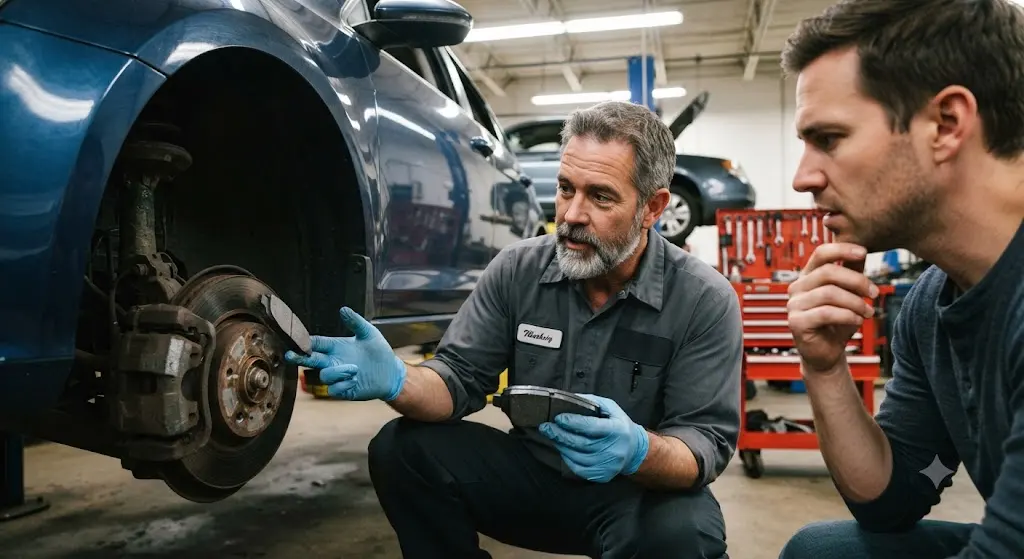
Experienced mechanics often point out that brake problems rarely appear overnight.
Instead, they develop gradually through thousands of braking cycles.
Drivers sometimes adapt to declining brake performance without realizing it.
What feels "normal" today may actually be much worse than the vehicle's original braking ability.
Routine inspections provide objective measurements rather than guesswork.
Instead of waiting for a serious problem, technicians compare rotor thickness, wear patterns, and overall brake condition against manufacturer recommendations.
That approach supports both vehicle reliability and brake system safety.
When Should You Stop Driving Immediately?
Seek professional inspection as soon as possible if you notice:
- Loud grinding noises
- Significant brake pedal vibration
- Cracked rotors
- Severe steering wheel shaking
- Metal scraping sounds
- Dramatically longer stopping distances
- Brake warning lights combined with braking issues
These symptoms may indicate problems that require immediate attention.
Final Thoughts
If you're asking if it is safe to drive a worn brake rotor, the safest approach is not to rely on guesswork. Minor wear is a normal part of vehicle ownership, but excessive wear, warping, cracks, or other damage can reduce braking performance when you need it most.
Paying attention to unusual sounds, vibrations, and changes in braking feel allows problems to be addressed before they become more serious. If you're unsure about the condition of your brakes, a professional inspection is the best next step.
A qualified technician can determine whether your rotors can continue in service, be resurfaced, or should be replaced, helping you drive with greater confidence and safety. If you need replacement components, register today and start receiving car part updates to stay informed about quality parts and availability for your vehicle.
FAQs
How long can you drive with worn brake rotors?
There isn't a safe universal distance. If the rotors are below the manufacturer's minimum thickness or show damage such as cracks or severe warping, they should be replaced before continued driving.
Can worn brake rotors damage new brake pads?
Yes. Uneven or damaged rotors can cause new brake pads to wear unevenly and reduce overall braking performance.
What does a bad brake rotor sound like?
Bad rotors may produce grinding, scraping, or rhythmic noises during braking. The exact sound depends on the type and severity of the damage.
Are vibrating brakes always caused by rotors?
Not always. Wheel balance, suspension issues, and tire problems can also cause vibrations, but brake pedal pulsation during braking commonly points to rotor issues.
Is replacing brake rotors expensive?
Costs vary depending on the vehicle and parts used. Replacing rotors early is often less expensive than repairing additional brake components damaged by continued driving.